

In this edition of our 5×5 series, we’re talking to five autistic authors on the importance of neurodivergent representation in children’s books. The autistic community — historically and currently — struggles with a lack of authentic representation, which has led to misconceptions about autistic individuals and their lives. This can, in turn, lead to the spread of dangerous misinformation, which further isolates and disenfranchises the neurodivergent. Let’s learn more about five children’s authors using their own experiences to craft books that allow neurodivergent children to be seen while educating neurotypical individuals on how to create welcoming and accessible environments for all neurotypes.
The Authors
Steve Asbell
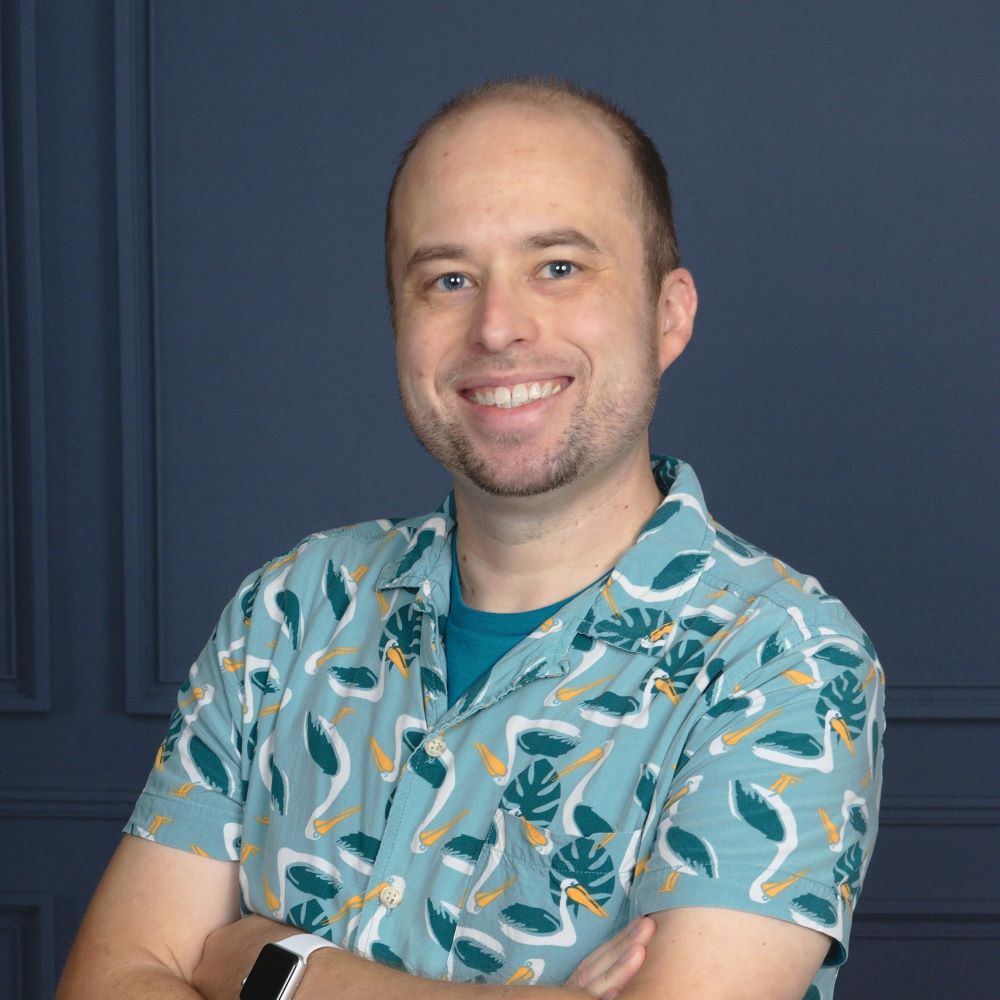
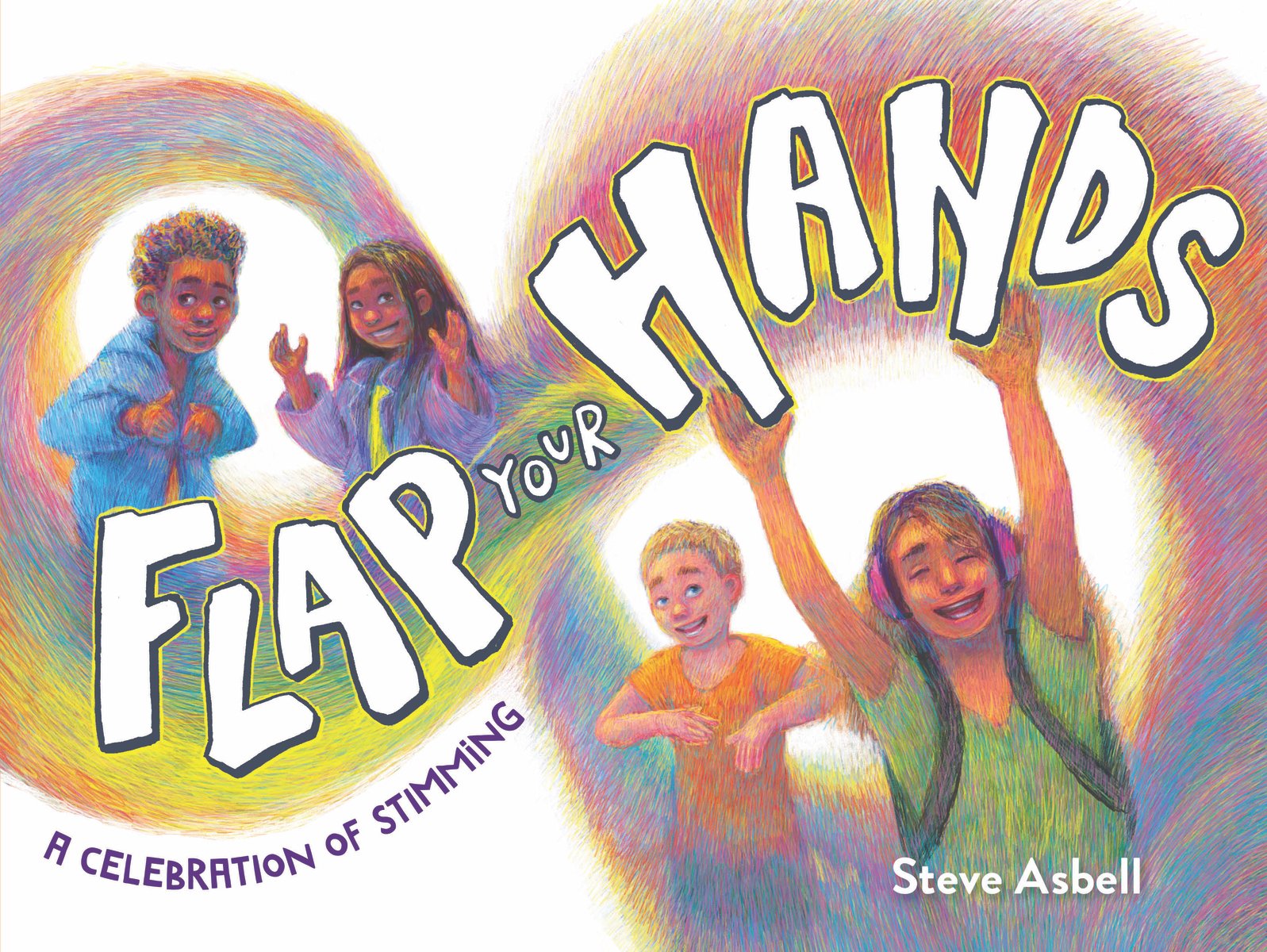
Steve Asbell is a late-diagnosed autistic author-illustrator of Flap Your Hands: A Celebration of Stimming. He has been featured on NPR and as a speaker at the 2024 National Book Festival at the Library of Congress. He lives in Florida, where he can be found drawing and gardening with his family.
Rebecca Burgess
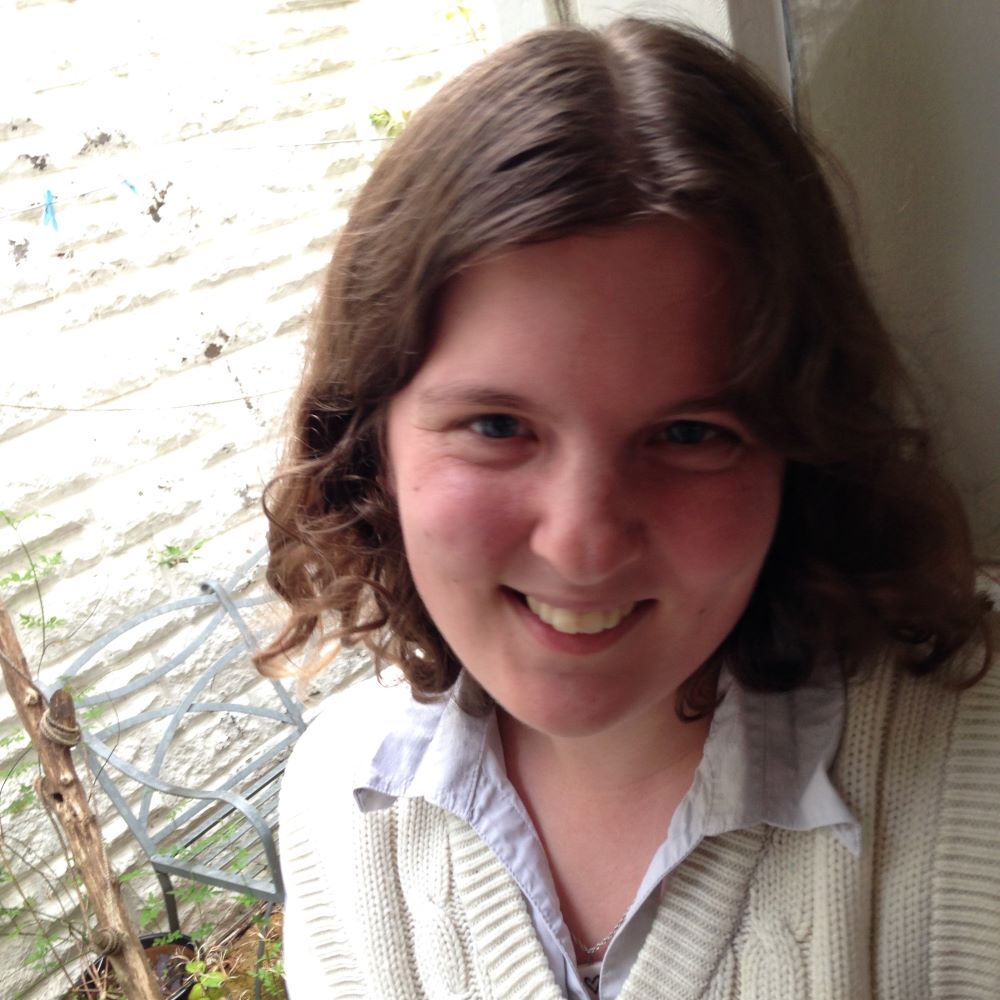
Rebecca Burgess is a comic artist and illustrator working in the UK. They have written and illustrated several award-winning YA and children’s books with HarperCollins, Jessica Kingsley, and BQB Books. Along with drawing comics for their day job, Rebecca also loves drawing webcomics in their free time. They are particularly passionate about sharing their personal experiences of autism and queerness in the form of fun and emotional stories and channeling their obsession with the French Revolution into a web comic. Outside of drawing and cuddling their cat, Rebecca also loves playing RPGs with friends, going on deep dives into history, and growing vegetables in their humble Bristol flat.
Kate Foster
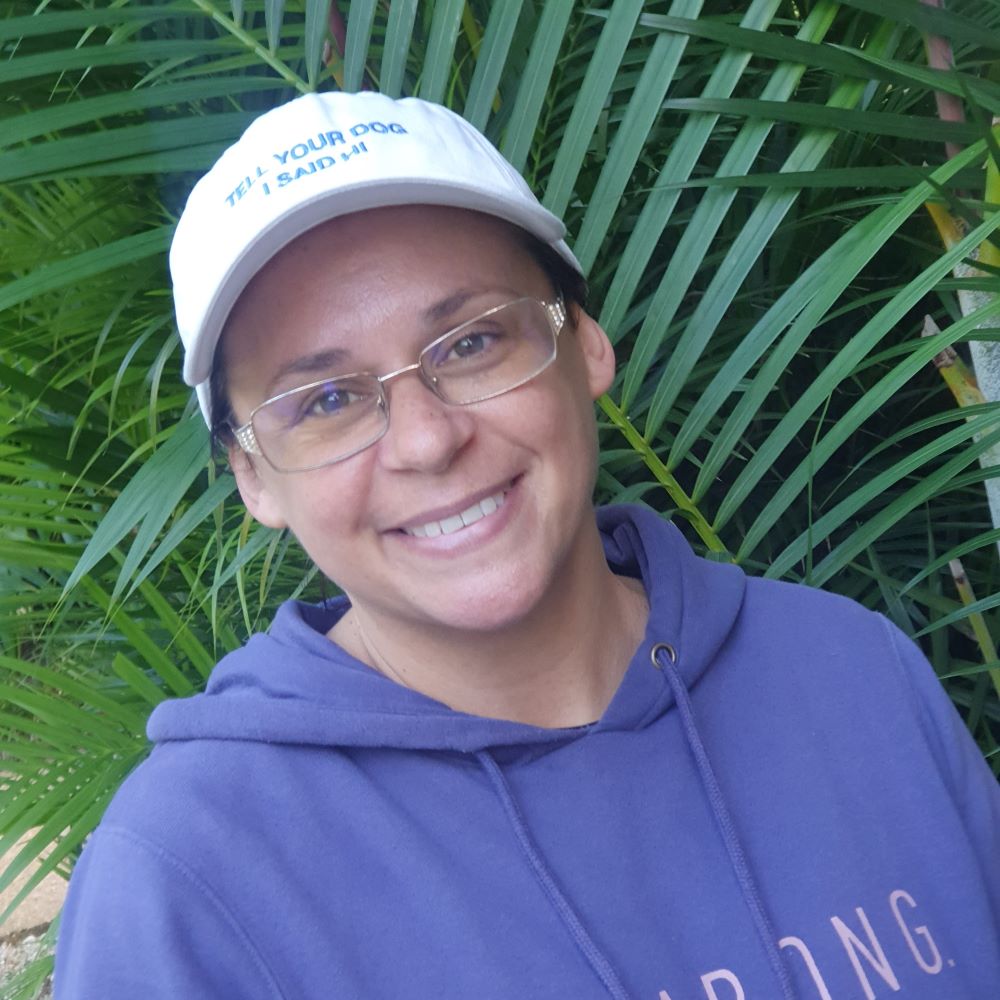
Kate Foster is a best-selling and award-winning children’s author living on the Gold Coast in Australia with her family and second-hand dogs. Her novels have received starred reviews and been awarded the Junior Library Guild Gold Standard. They include All the Small Wonderful Things, Harriet Hound, and The Unlikely Heroes Club (Candlewick Press). She is passionate about encouraging and teaching a wider understanding of autism and mental illness via a positive approach and representation in her books, as well as her presentations and talks.
Amina Mucciolo
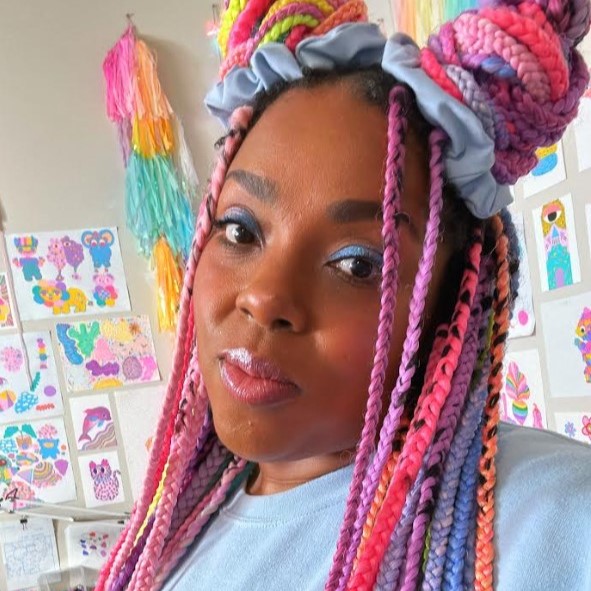
Amina Mucciolo is an artist, writer, and advocate for self-acceptance and neurodivergent visibility. They’ve spent the past decade using their voice, art, and physical existence to spread color, kindness, and creativity across social media. Their work has been featured in national award-winning ad campaigns and collaborations with Fortune 500 companies, and their joyful aesthetic has appeared in outlets like The Today Show, The AV Club, BuzzFeed, Insider, Apartment Therapy, NBC News, and Allure. Amina expresses themselves through rainbow hair, playful fashion, and uplifting visual art — and as an autistic, non-binary creative, they’re best described as a living, human rainbow. Amina uses they/them pronouns.
Rose Robbins
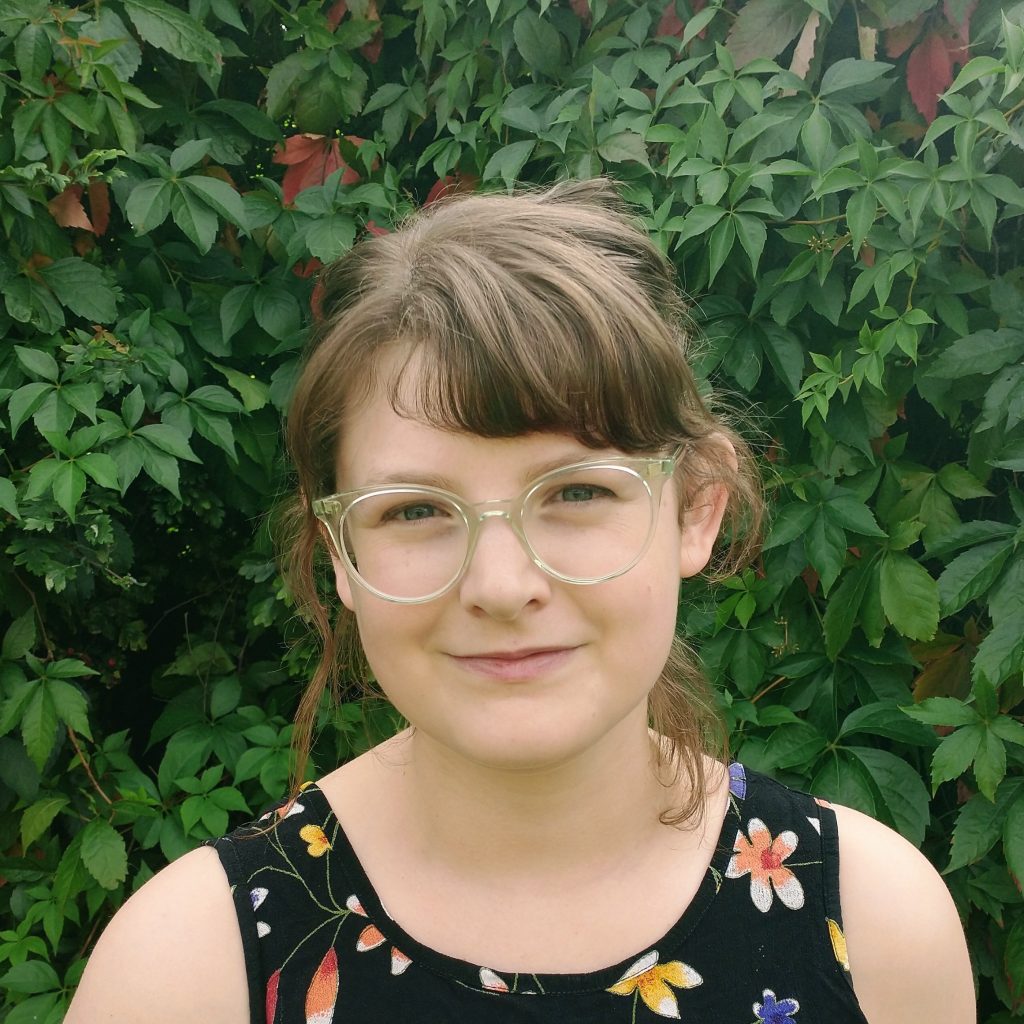
Rose Robbins is a children’s book author and illustrator based in London who focuses on topics around disability, relationships, and communication. She is known for featuring and celebrating differences in her work, taking inspiration from her own life experiences as both a young carer and a late-diagnosed autistic person. Rose is a qualified teacher with a specialization in Art and SEND, and is also an alumnus of the Cambridge School of Art with an MA in Children’s Books.
The Interview
1. What was your inspiration and journey to becoming a writer and/or illustrator of books for children?
Steve: I have always been obsessed with plants, so I started out as a garden writer/illustrator/blogger before branching out into kidlit. No shade to trees and all, but it turned out that visual storytelling was a lot more fun than drawing plants on their own! I love being able to convey ideas and emotions visually in new and exciting ways, and it’s especially rewarding when the art connects with young readers.
Rebecca: I’ve been obsessed with drawing for as long as I can remember, and then really got into comics around age 12 — Japanese comics specifically, which at the time were the only comics available in my country that had long-running stories and a range of genres outside of superheroes. They were a big inspiration; the cinematic pacing and emotionally intense stories really opened my eyes to the type of visual stories I could make as an artist. I started going to conventions at 13, where a small number of people made and sold their own comics, and learned from this network of small-press artists how to print and make my own comics. As the internet became more accessible, I started reading and making web comics from 16 onwards, and haven’t stopped since.
Although many of my stories are traditionally published now that comics have become more popular in the US and UK, I still self-publish my own personal projects through small presses and online. I can’t emphasize enough how much the small-press and web comic world helped and motivated my progress as an artist and writer. It allows a space for niche stories that publishers won’t go for, it allows for new artists to develop their work in a world that doesn’t have many schools/universities dedicated to comics (this is of course different in places like France and Japan, but we are lacking here in the UK), it gives me a space to share passion projects that keep me inspired when I’m getting art block in my main work.
Kate: Wow, where to begin… It’s been a very long and erratic journey! I always wanted to be an author since I was small. I loved reading, visiting the library, and making up my own stories (I was very imaginative!), but people like me didn’t become authors. I grew up on a council estate in the UK in the ‘80s and ‘90s, and despite attending a good school and receiving a solid education, kids were often guided and influenced by what and who they saw around them. I also struggled fitting in throughout most of my childhood, teen years, and my twenties. I became exceptionally good at masking and acting out roles that did not represent the real me at all. Of course, it was survival during a time when autism wasn’t as well researched or understood. I just knew I was different.
I continued to write, always, but rarely shared anything with anyone. Who would want to read my boring stories?! It wasn’t until I had children and realized how happy and content I was at home in my safe place, surrounded by people I trusted and loved, that I gained some confidence and decided to pursue publication. And then it was a good ten years with many close calls before I got my first book deal for All the Small Wonderful Things (Candlewick Press; PAWS in Australia/UK), and even since then, there have been a whole heap of ups and downs. I am anything but an overnight success story!
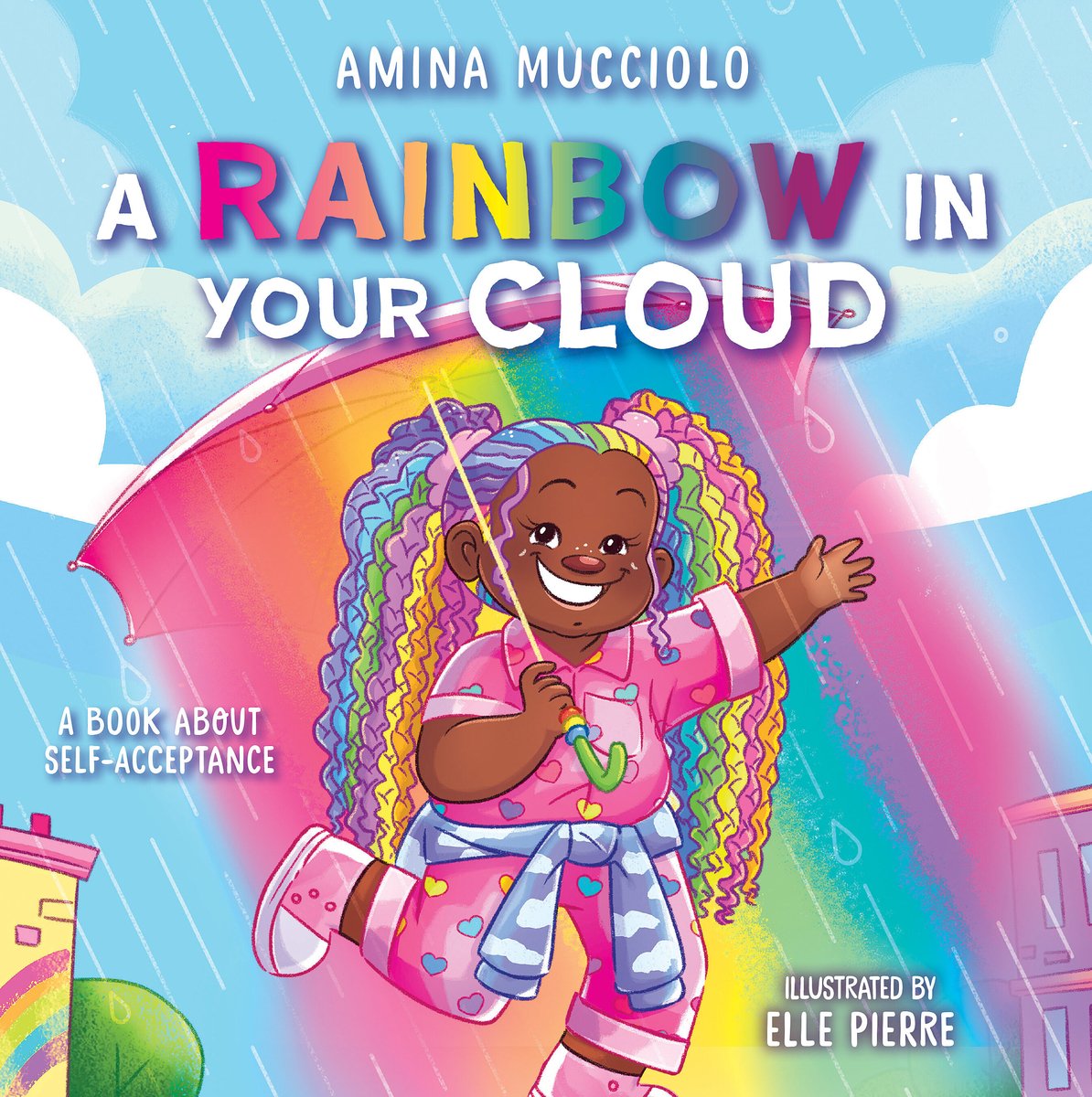
Amina: To be Black, queer, autistic, and femme all at the same time is a surreal experience. There were never any characters I could relate to without having to exclude parts of myself. I created A Rainbow in Your Cloud because I wanted to make the kind of book I wish I’d had growing up — something colorful, affirming, and soft, but also honest and true to my real-life experiences.
My journey as a children’s author really began with a journey of self-acceptance. Once I learned I was autistic in my mid-30s, it felt like a door opened inside me—and that door never closed! I no longer had the ability to mask the way I used to in order to fit in, so I learned to embrace all these little things about myself that had previously been labeled as “too much.” This book is a celebration of all of those things! I felt like the best thing I could do was share that message with children of all ages. Writing for kids allows me to talk directly to my inner child — and hopefully to the inner children of so many others, too.
Rose: I have been inventing stories and drawing characters since before I can remember. I often tell people about the excitement I felt at getting a purple stapler for my 7th birthday, because it meant I could staple my own books together! After studying illustration, I had dreams of making children’s books, but I was also intimidated by the beautiful and richly illustrated picture books of my childhood. My drawing style is quite simple, and I couldn’t imagine filling spreads with colourful illustrations! However, I was encouraged by Martin Salisbury to apply for the Master’s in children’s books at the Cambridge School of Art, and it was there that I gained confidence and wrote and illustrated my first picture books. I was then picked up by my wonderful agent Alice Williams, and Sarah Pakenham at Scallywag Press offered me my first contract.
2. As an autistic person, do you feel that autistic individuals are represented authentically in media?
Steve: Autistic representation has to involve autistic people for it to be authentic, which is why a lot of attempts fall flat. Some of the best autistic rep involves characters that aren’t explicitly described as autistic. When autistic people are involved in writing a show, for example, they’re going to reflect their own lived experience as neurodivergent people with neurodivergent families. The best examples of canonically autistic representation exist because of show runners, producers, and actors who are openly autistic and involved enough in the autistic community to be informed by a diverse array of perspectives.
Rebecca: I think it depends on the media, and things are evolving fairly quickly as time goes on. In kids’ books, I’m seeing a lot of authenticity, where autistic writers are being published and sharing nuanced and fun stories they have full control over — but there aren’t a huge number of books out there. I think bookshops tend to go with this idea of “we can only have one ‘autism’ book this year,” and so even if a number of books come out every year, only one or two might actually make it to the mainstream. I think we’re still lacking in good representation in comics, too — they exist and tend to be really good, but there just isn’t very much of it!
In TV, I think there especially needs to be more work done. I rarely see any fictional TV with autistic characters, and when they exist, they still tend to fit into some specific stereotypes that don’t share a “full picture” of the autistic experience. TV seems especially bad for using autistic traits as a sort of “gimmick” (i.e., a doctor whose autism makes him have superpower-like skills as a surgeon, a lawyer whose autism makes her have superpower-like skills as a lawyer. At the beginning of this year, a brand-new show came out about, surprise surprise, a detective whose autism makes her have superpower-like skills as a detective).

Kate: On the whole, no, I don’t. The odd character pops up that’s authentic and real, often a character played by an autistic person in a role written by an autistic person, but even then, the media tends to lean toward trauma or inspirational stories or stereotypical characters that are there to teach kindness and acceptance to others.
There is change happening, particularly in children’s literature, but it’s slow. And, unfortunately, there are still books being published which have clearly been written with little or no research and without any consultation from the autistic community. The same tired and offensive tropes turn up over and over, and every time a book like that, as well as TV shows and movies, is released into the world, it undoes all the work and sets progress and acceptance back even further.
Amina: Woof! I think it’s getting better in some ways, but the representation is still very one-dimensional. I mean, we’re not all awkward White kids that are into trains or whatever. Where are all the autistic Black girls? Where are the non-binary autistic characters? We deserve stories that show the whole spectrum, not just the part that’s easiest to digest. Our experiences are so diverse — no one autistic person is the same, and that’s kind of the point.
Rose: I think that there are a few really good examples of representations of autism in the media (Carl the Collector on PBS Kids, and Pablo on the BBC), but there just aren’t enough of them to reflect the breadth of the autistic experience. With autism, quality and quantity are almost equally important, as no two autistic people are ever the same, nor are their experiences of the world. There is no one right way to represent autism authentically and truthfully, and that is why we always need more autistic characters, writers, and creators to contribute.
3. When writing neurodivergent characters in your books, what aspects of neurodivergence do you feel are critical to convey to young readers?
Steve: For Flap Your Hands, I thought it was especially crucial to convey the repetitive behaviors known as stimming, since it’s probably the most stigmatizing thing we autistic people do in public. So much trauma exists because of attempts to extinguish this noticeably autistic behavior. It wasn’t enough to show what rocking and fidgeting look like. I had to use clashing colors and lines to show what the heightened sensory experience of an autistic person like myself is, and then let those brushstrokes mingle and overlap to convey how stimming regulates the mess of existence in this noisy, intense, and sometimes painful world. I wanted young readers to know that someone gets it, and that they’re not alone.
Rebecca: For me personally, I think the most important thing to share is an integrated experience that’s really a part of the character — I want to show that being autistic impacts your feelings, your choices, your perception, and other people’s perception of you. It impacts all these things in both positive and negative ways. If the main character is autistic, this part of themselves can’t be an afterthought mentioned in the story every now and then; it has to be written in a way that it’s interlinked with the character’s journey and motivations.
This, to me, is how you can best share a nuanced portrayal of autism that will help autistic readers feel seen and validated, and help non-autistic readers see that the weird kid they find hard to talk to/relate to is just another person with thoughts and feelings like themselves. I’ve focused on autism for this question specifically because “neurodivergence” is an umbrella term for many different experiences, and I don’t want to speak for other experiences that can be very different from autism and may want to be treated differently in fiction.
Kate: That every single neurodivergent person is different with different needs. Being autistic is entwined with personality, but it isn’t the only facet of a person’s character. Autistic people can be smart and good at math, yes, but they can also be sporty and funny and creative. They can be serious and have great memories, yes, but they can also be a joker, highly empathetic, and incredibly forgetful! When I wrote The Unlikely Heroes Club, based on a true story, I put five autistic kids and an autistic adult together to show precisely this. Ultimately, they are five kids who must work together — a story so often written starring neurotypical kids.
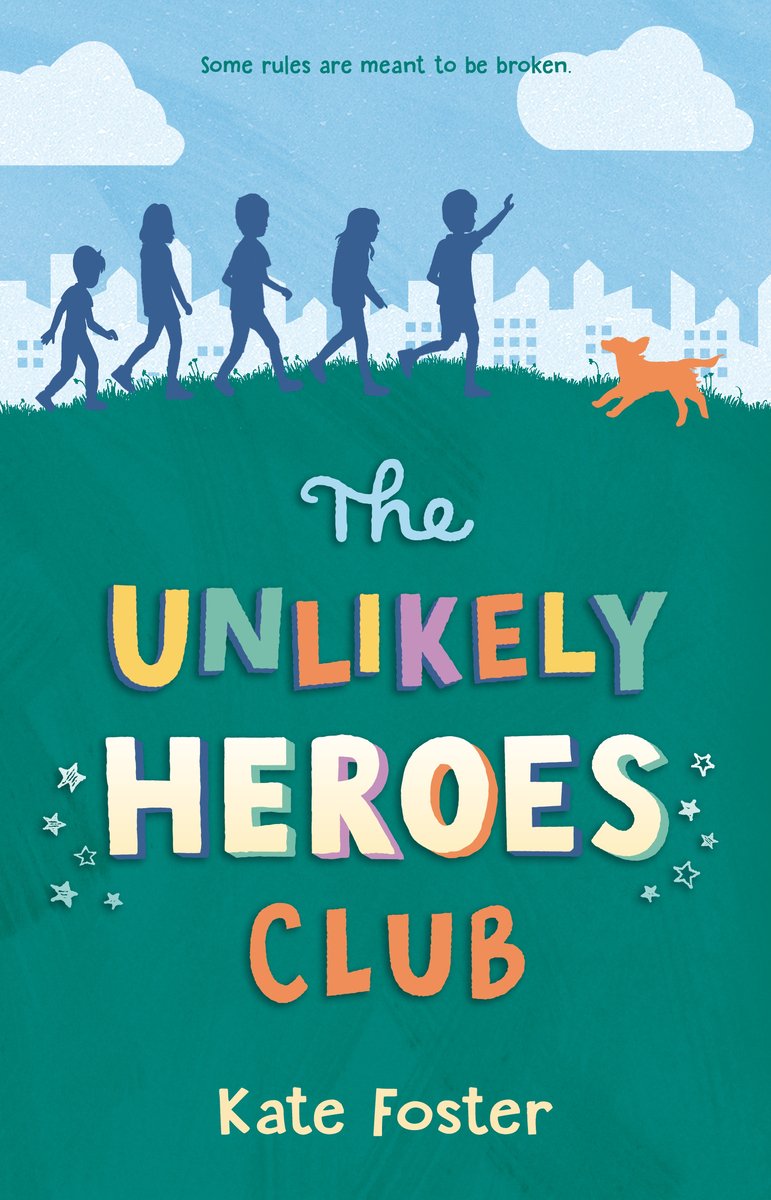
Other than that, I want my stories to portray balance. Life is tough as an autistic person, with brains that are busy and often confused, and with overwhelm hanging around most corners. But, also, autistic people have the same hopes and dreams and valuable attributes as everyone else. We are more than a token and a trope, the sibling, classmate, and child. We’re fully fleshed out people wanting to survive in a world that’s not built for us. Oh, and everyone is NOT all “a little bit autistic.”
Amina: I think it’s so important to show neurodivergence as something that isn’t just okay, but actually beautiful. In A Rainbow in Your Cloud, I made sure the main character (who’s based on a younger version of me!) flaps their hands when they’re excited, dresses in colors that feel joyful, and stays true to themselves even when the world tells them to tone it down. These might seem like small details, but they mean everything. So often, neurodivergent kids are told they’re “too much” or “not enough” — I want to give them a story that says, “You’re just right.” Every child should see a reflection of their own rainbow inside.
Rose: There is still a lot of stigma around neurodiversity, and I think it is important to try to challenge existing and damaging concepts. One unfortunate belief that many people have of autistic people is that they are unfriendly and don’t like being around others. I try to convey that, while my neurodivergent characters have different needs and communication styles from the “norm,” their relationships are still very important to them, and they want to be included. I would also like to see more examples of autistic joy being given priority over struggles and hardships (although these are very real and also need to be shared and validated).
4. In the last few years, certain movements have been pushing to have books that address issues of diversity and inclusion — including those with neurodivergent representation — removed from school and library shelves. What are your feelings on this? Why do you think it is so important for young readers of all neurodiversities to have access to authentic ND characters?
Steve: As a resident of Florida, I saw the writing on the wall (that’s an idiom, folks!) while I was finishing Flap Your Hands. I was worried about the potential backlash to a book that literally encourages autistic kids to look autistic in a political climate in which divergence is increasingly being equated to deviance. It even has a rainbow infinity symbol on the cover! A lot of parents of autistic kids are now against DEI, even if they’ve been tirelessly pushing for equality and inclusion for their own child all along. They rally against the same government they’ve been relying on to ensure that their child’s needs are met.
I’m curious about how those parents would feel if they found out that books were being removed for featuring children like their own, and what kind of message that sends to their kids. The truth of the matter is that by erasing autistic voices in literature, by excluding autistic characters like Kaz Windness’s Bitsy Bat, we’re sending the message that it’s not okay to exist in the world as autistic people.
Rebecca: Two of my books have been subject to book bans in the U.S. — one is an autobiography about asexuality (How to Be Ace), the other a fiction with an autistic main character, who was inspired by my own experiences of bullying in school (Speak Up!). Considering that both of these books are pretty much about my own very personal life experiences, I feel very upset and scared that my existence is apparently so unwanted and seen as a threat to children. I’m quite the history nerd, and these bans make me very worried for the future of the country as well. I’ve read of various accounts across history about attempts to ban books addressing wider ranges of views, from the French Revolution to 1930s Germany. And these events tend to be used for scapegoating groups of people, which then move on to much more extreme persecution down the line. So it scares me a lot, knowing that history repeats itself often.
I wrote/drew both of these books because I never had such books (or TV shows, or anything) about these experiences when I was a kid. I often felt lost and alone because no one really understood me, and I didn’t understand myself. I felt ashamed of myself quite a lot, and thought I was doing something wrong/was broken in some way. I still have issues around self-confidence now because of this. I often get emails from kids and teenagers (How to Be Ace is for teens/adults rather than kids) sharing how much these books have helped them understand themselves, articulate their inner feelings to others, and feel proud of themselves. That’s exactly what I want my books to do, and I think that’s the main reason it’s important for ND kids to have access to authentic stories.
Kate: It’s cruel, it’s dangerous, and it’s evil trying to crush good. Being offered an insight into different people, backgrounds, and cultures is a gift. It’s crucial knowledge and understanding that humanity needs to survive self-destruction. It’s scientifically proven that reading builds empathy and compassion, that it feeds critical thinking skills, and creates actual equality. So, why else would the powers-that-be choose to remove diverse perspectives unless they simply want to create and encourage division? It’s about tightening control, which happens through hiding truth and voices, isolating communities, and feeding one-sided narratives.
I simply don’t understand how and why removing neurodivergent representation from shelves adversely affects anyone. I’d love someone to explain this to me, with actual supported evidence from an independent source. (Rant over, even though I’ve hardly scratched the surface!)
Amina: It breaks my heart, honestly. Removing these books is an attempt to erase real children from the world they live in. And the message it sends is, “You’re not welcome. Your story doesn’t matter.” That is so harmful — not just to neurodivergent kids, but to all kids who deserve to grow up with empathy, imagination, and inclusivity. Representation isn’t about ticking a box. It’s about survival. It’s about a kid being able to say, “Hey, that’s me!” and feel seen, respected, and loved. I believe that’s how we build a kinder, more vibrant world — one book, one story, one rainbow at a time.
Rose: I know from experience that when you don’t see your reality reflected in media and literature, you can start to feel very disconnected and lonely, leading to poor mental health and overall low self-esteem. It is also doing an injustice to the children who don’t share these experiences, as their world views are enriched by authentic portrayals of difference.
5. What aspect of being a children’s book author do you love the most? Creating, interacting with young fans, school/library visits, etc.?
Steve: I love the creative process, of course, but I’m honestly surprised that I enjoy the social aspects of the job! I’ve been able to meet kids, teachers, and parents through readings and speaking engagements, and for someone who forgets how to talk in social settings, I sure have a lot to say about empowering autistic kids. Specifically, my favorite part was using the adapted copy of my book that Courtney Walker of Libraries for All made, since kids can touch all the interactive elements on the laminated pages. It doesn’t get much better than that.
Rebecca: Speaking about children’s books specifically, I think the nicest part is trying to make a difference to people (which sounds really corny haha!!) I wrote kids’ books with this intention, but I didn’t especially experience it fully until my first kids’ book was finally published. I received, then for the first time, some very emotional emails from parents, and had one particularly memorable school visit where I talked to a SEND group that was mainly made up of autistic kids.
They were so excited to meet someone who really understood what they were going through in school, and who now had a “cool” job (their words, not mine). We talked a lot about bullying, but not in a basic “just ignore them because you’re amazing and bullies are bad” way. We talked about the nuances of not being understood, how kids can be quite passive-aggressive and therefore get away with how they treat autistic kids, how “just ignoring” isn’t always enough. I think for those kids, they needed to talk with an adult who wouldn’t tell them things were going to get better; they just needed to talk with an adult who knew what it felt like.
My book was very popular in that particular school, and I guess it’s because it showed the good and the bad, and sometimes you just need to feel the bad and know that others get it. That particular experience was really emotional for me, and I cried the next day, LOL, like it unearthed some trauma. But also it made me see how important it can be to be a children’s author, and all the troubles of publishing are worth it for making that difference to people.
Kate: All of it! (Can I say that?!) Hehe! I love that my job allows me to work from home, surrounded by the things that bring me happiness and safety, and where I can be the most creative and productive. I love that I get to tell MY stories and immerse myself in worlds that I control (to some degree). I love being invited to schools, libraries, and festivals to directly interact with children and spread the love of reading and storytelling. Because even though I am there to tell them my story and tell them to be proud of who they are, children teach me the same thing. They inspire me to be better, stronger, to do more, and to keep writing. So, really, being a children’s author is the most delightful merry-go-round!
Amina: Oh my gosh, it’s gotta be seeing kids light up when they connect with the story. Whether it’s a message from a parent saying their child hugged the book to their chest or a kid in rainbow socks telling me, “I have a rainbow too!” — that’s what it’s all about. I love the creative process, of course. I mean, give me a chill playlist, my colorful art studio, and my sketchbooks and markers, and I’m in heaven. But those moments of connection? Of seeing my work bringing real, actual, joy to little, tiny humans? That’s the magic. That’s the glitter glue that holds this all together.
Rose: There is absolutely nothing like connecting with children over my stories and characters. I am naturally quite quiet and shy, so I didn’t necessarily expect to enjoy that part of my job, but I do!

Bonus Questions!
What was your favorite picture book when you were growing up?
Steve: Where the Wild Things Are really spoke to me as an undiagnosed autistic kid, because I got to imagine a world where I was free to be myself, among friends who understood and related to me. I got lost in the textural backgrounds and imagined the lush forests that hid behind my own walls. Also, the idea of being able to roar and hear my own voice without fear of repercussions was something that made me very emotional, and now that I think about it, probably influenced Flap Your Hands more than I realized.
Rebecca: Trumpets in Grumpetland — it’s such a beautifully made and intricate picture book! Every page is full of incredibly detailed images that build up the world of the trumpets, these miniature creatures who live in the English countryside. In the illustrations, there would be a central event going on that’s linked with the picture book text. But then, surrounding the central image were very detailed backgrounds that share all these smaller stories, world building, and English plant life/habitat. Every little detail, from berries to plants to birds to specialized ladybird train stations (yes, that’s right, I wish I could explain it better) was numbered — these numbers were added to a little chart in one corner of each page, so you could find out what each detail was. I’ve become well-versed in different types of plants, trees, and birds as an adult, all because of those charts.
Kate: Oo, picture book … that’s tough. My parents tell me that The Enormous Turnip was a book they read to me on repeat!
Amina: If You Give a Mouse a Cookie was basically my first favorite picture book. I loved how the story never judged the mouse for needing more or for being a lot. It just lets things unfold with curiosity and sweetness. Looking back, I think part of me saw myself in that mouse — a tiny creature with big dreams, endless needs, and a tendency to turn everything into an epic journey. Still me, tbh.
Also, Mufaro’s Beautiful Daughters was so important to me — it was one of the first books I remember that showed Black girls being magical, regal, and soft. And okay, this is maybe a little weird, but I also loved the Scholastic Rhyming Dictionary because I used to write poems in my Trapper Keeper and poured my whole heart into those lyrics like it actually mattered — because to me, it really did. So yeah, picture book + princess tale + lexicon of rhyme = baby Tasselfairy origin story.
Rose: It has to be Fungus the Bogeyman by Raymond Briggs, if that counts as a picture book? It’s more like a comic book really.
What is something you NEED to have with you when you sit down to create?
Steve: A cup of coffee in a colorful Fiesta-Ware mug, which I absolutely needed to initiate the creative process but ultimately forgot about after a few sips once I’ve settled into my flow.
Rebecca: Definitely coffee. The ritual of making it helps get me into the work headspace, and it makes me feel both cosy and energised all at once.
Kate: My dogs. They make everything brighter and easier.
Amina: I usually start with a special drink I call Tasselfairy water (pink coconut water with chia seeds). It’s soothing and pretty, and the chia makes it extra healthy, and I like that. I keep my headphones handy, always. Sometimes I like to feel wrapped in sound, usually something chill with a groove — nothing too chaotic, just something that helps my body settle. I keep a lot of scratch paper nearby and a rainbow of pens and markers so I can doodle or take notes as ideas come. Having snacks nearby helps too — sometimes it’s chips, but I also make these little snacking pancakes that are kind of like soft, sweet comfort food that I made just for that moment.
I like to be surrounded by color — things I’ve made, or cute objects I’ve collected that just feel like me. Sometimes I’ll have an old show I love playing in the background, something soft and familiar. And I keep my stair stepper close in case I get overwhelmed or need to move through some energy. So when I sit down to create, it’s like I’ve built this soft little world around me where I can just be—and that’s when I feel most like me.
Rose: I need some ambient music (Brian Eno is my favourite) to get myself settled. Once I’ve started work and gotten into the flow, I don’t really need much, just something to draw with, but at the start, I struggle to sit still without music.
An enormous thank you to Steve, Rebecca, Kate, Amina, and Rose for taking the time to share their work and insights with us. As the autistic community fights for better awareness and acceptance, the work of brilliant authors like these can help children better understand themselves and one another and embrace a world in which all minds are respected and celebrated.
Find Steve Asbell here.
Find Rebecca Burgess here.
Find Kate Foster here.
Find Amina Mucciolo here.
Find Rose Robbins here.
For more conversations with authors on the dangers of the book banning movement, check out our 5×5 with Authors With Banned Books on Censorship.
To see all of our recommendations for all mini bookworms, check out our Bookshop bookshelf.