







As August slowly creeps by, high school graduates across the country are preparing to start a new chapter in their lives: their first year of college. The jump from high school senior to college freshman can be overwhelming and scary, but luckily, there are tons of people who have gone through the same thing and have valuable advice to offer. With a little bit of comforting advice and some practical psychology, this list comprises four books to help guide high school graduates transition to college freshmen.
Have Fun Be Safe I Love You: and Everything Else I Want to Say to My Kids About College and Beyond by Kate Hickey
Have Fun Be Safe I Love You emerges as a handbook of sorts, a collection of anecdotes and advice delivered in an easy-to-read conversational tone offering wisdom that is a surprisingly fun read. Hickey writes to her readers, formatting her book into three sections that cover everything from living by yourself for the first time, navigating classes and relationships with professors, discovering your passion and what you want to do with it, to building a career from the foundation started in school.
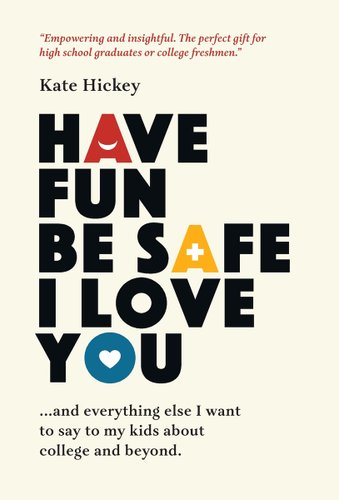
In the free sample of her book, Hickey states, “I can’t care what people will think of me or it will rob me of myself and my purpose,” and this insightfulness plays a large part in the advice she gives to her readers. Her use of stories, personal or not, makes the advice relatable and believable and allows the reader to better picture themselves in similar situations. This is a great read for a comforting, friendly pep talk to start the journey into adulthood and great change.
Atomic Habits: An Easy & Proven Way to Build Good Habits & Break Bad Ones by James Clear
Though not immediately geared towards recent graduates or freshmen in university, Atomic Habits offers a guide to breaking bad habits and encouraging the growth of good habits. That first year of college can be surprisingly make-or-break; a terrible year can be hard to recover from, but a good year can set the framework for an amazing academic and social experience. In this book, Clear simplifies complex ideas into a game plan, a way for individuals to think about goals and successful progression.
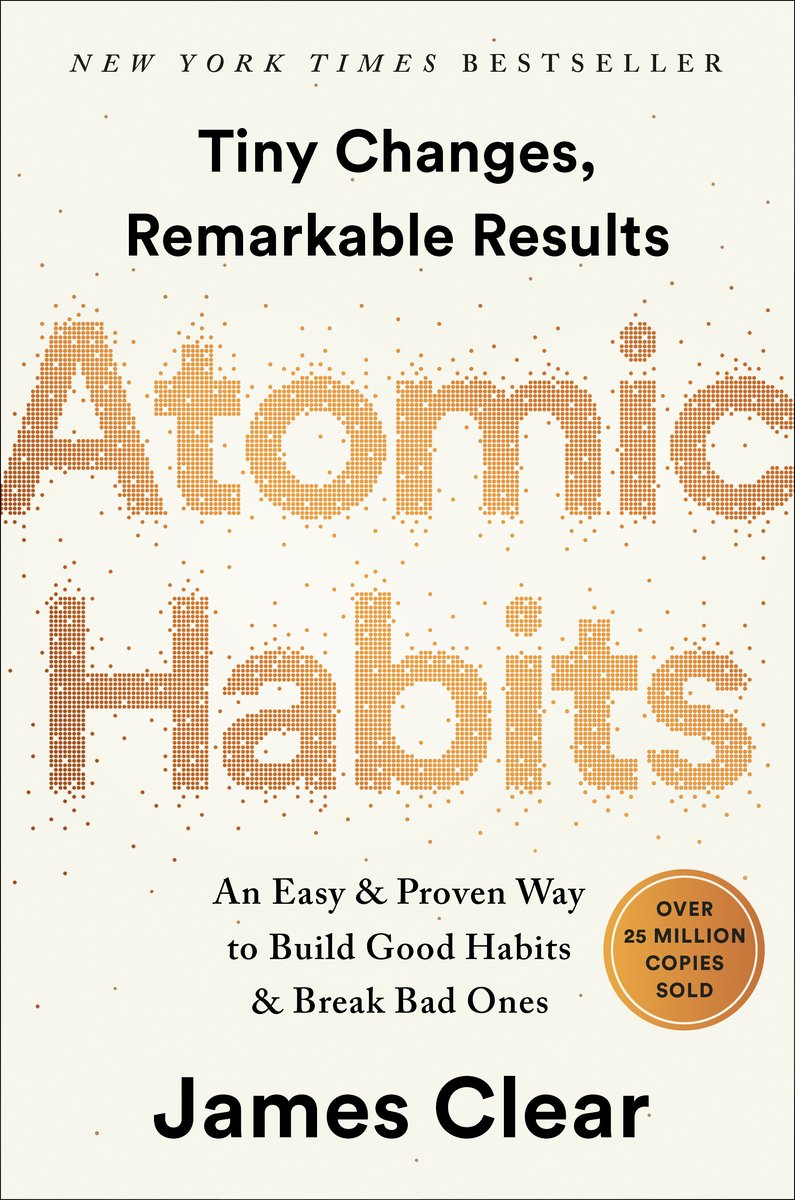
In the Goodreads description, Clear reveals the real reason habits are hard to break, stating we may just have the wrong systems for change. In this novel, he gifts the tools and systems needed to make time to learn new habits, push past a lack of motivation, persevere even when you make mistakes, and cultivate an environment better suited to change. The first year at college is already a fresh start; it makes for an ideal time to break habits and start new ones.
Make It Stick: The Science of Successful Learning by Peter C. Brown, Henry L. Roediger III, and Mark A. McDaniel
This book is also not specifically geared toward college students, but given how different learning in high school and learning in college can be, having a new perspective about “the right way” to learn can only serve to make the transition smoother. Establishing good learning and studying habits early is instrumental to the amount of academic success a university student can have. Granted, these habits will differ depending on majors, coursework, and overall goals, but a strong framework is important nonetheless. Make It Stick uses recent developments in psychology to advise approaches to more productive learning.
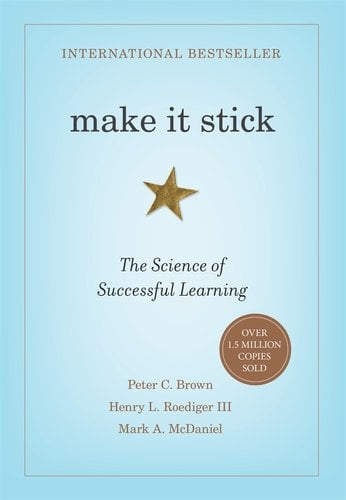
The Make It Stick authors emphasize the importance of memory in learning, referencing new discoveries in psychology to explain the way learning is adapted. They also note that many of the methods of studying and learning used by students are counterproductive, offering their own plans as an alternative.
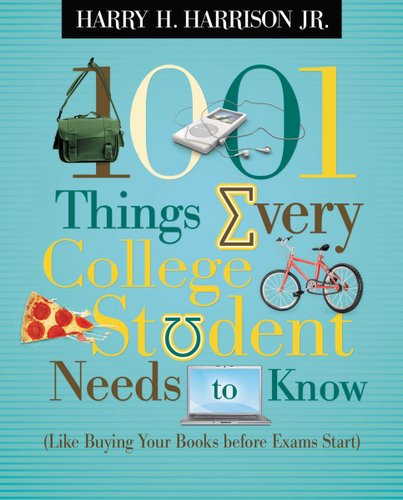
1001 Things Every College Student Needs to Know by Harry H. Harrison Jr.
This book serves a practical purpose, outlining the basics of what students and their parents need to know when they go off to school. Harrison Jr. offers advice on a multitude of topics, from picking classes, living on campus, studying, finances, parental expectations, mental health, faith, participating in groups, and writing a college paper. Though a lot of the information included may seem to be common sense, there are a few hidden gems that could come in handy.
These books may not all be about the college experience, but the knowledge contained in them combined may make the process of gaining that experience for yourself a little bit better.
Looking for more advice on self-improvement and growth? Try this article.
Want more helpful non-fiction books? Browse our Non-Fiction shelf in our Bookshop store.