




No matter an author’s experience, revision is often a daunting task. Between sewing up plot holes, editing grammar mistakes, and solidifying character narratives, many writers feel so overwhelmed that they don’t even know where to start. However, because that’s such a common experience, there are also numerous resources by established authors and editors created to extend a helping hand — and here are 4 brilliant ones to start with.
Self-Editing for Fiction Writers by Renni Browne & Dave King
Self-Editing for Fiction Writers: How to Edit Yourself Into Print by Renni Browne and Dave King is a revision course from the experts, intending to guide authors through the techniques that professional editors recognize by heart. With chapters dedicated to aspects like dialogue mechanics, interior monologue, and story beats, the book explains how to apply various revising processes to a manuscript — and every chapter ends with examples, an editorial checklist, and exercises to practice the spotlighted skills. Renni Browne, a former senior editor at William Morrow, and Dave King, an editor at Writer’s Digest, share their knowledge with a sense of good humor and accessibility, allowing authors to step confidently into an editorial mind.

Meander, Spiral, Explode by Jane Alison
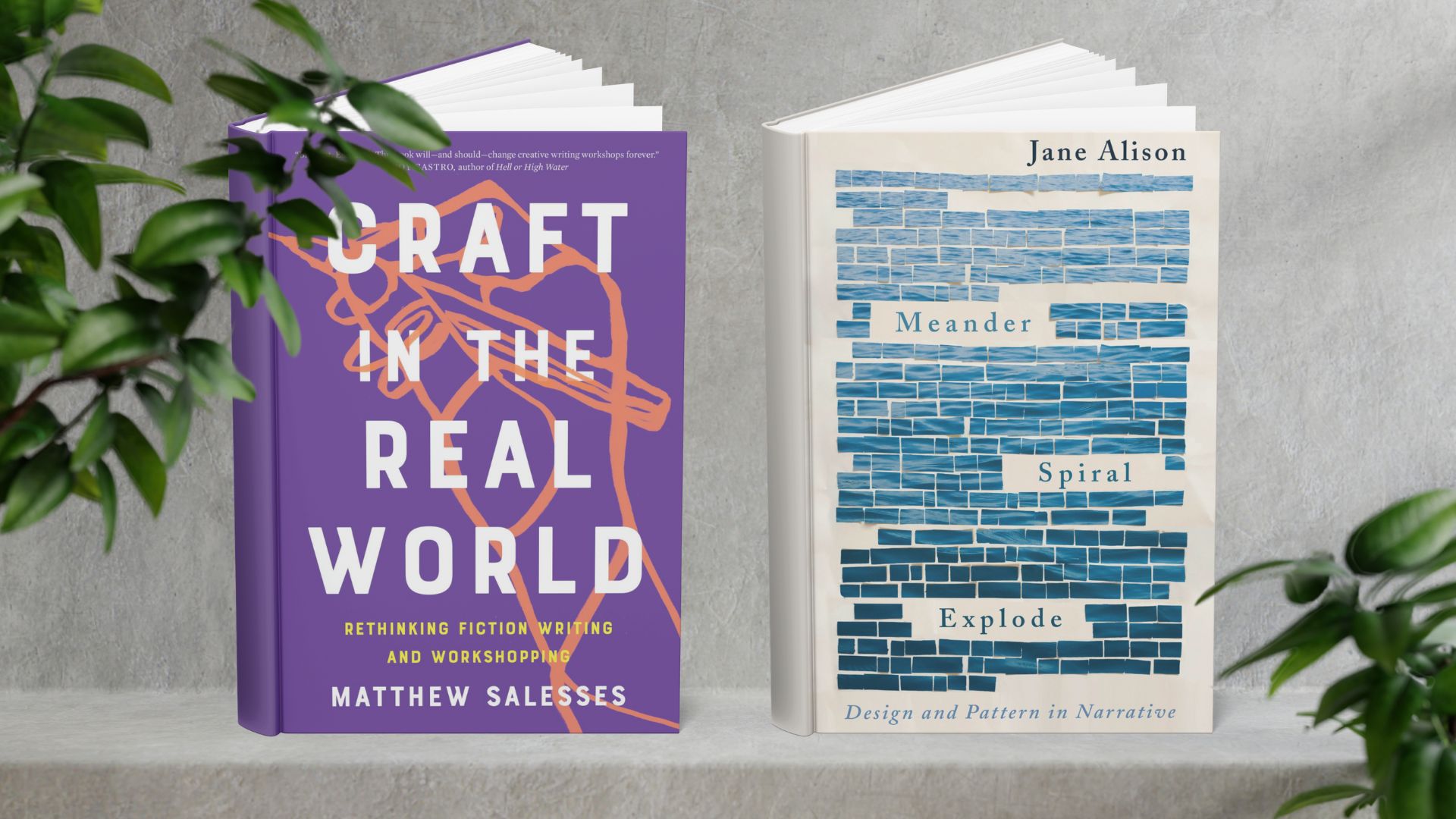
For authors passionate about pursuing non-linear and experimental work, Meander, Spiral, Explode: Design and Pattern in Narrative by Jane Alison is the ideal resource for exploring various narrative structures. Utilizing the visual of patterns and geometric shapes — including waves, spirals, and cells — to reflect narratives, Alison expands structure beyond the traditional plot pyramid, inspiring authors to view their manuscripts through an entirely new lens. Alison, a professor at the University of Virginia, emphasizes originality within her literary strategies, offering authors advice on how to revise their work creatively.

Craft in the Real World by Matthew Salesses
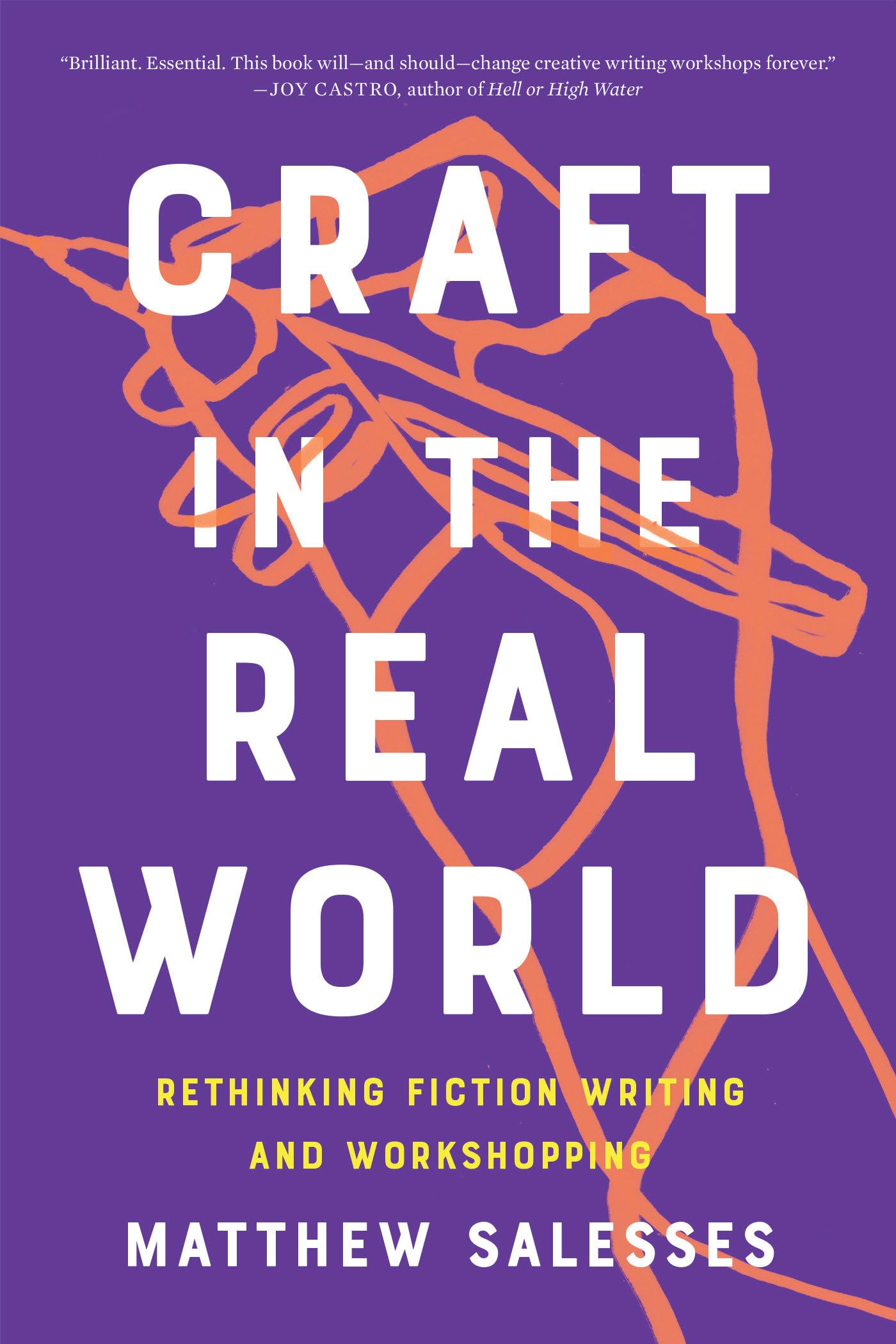
Craft in the Real World: Rethinking Fiction Writing and Workshopping by Matthew Salesses is, above all, a meticulous illumination and expansion of the perspectives through which authors regard their work. Beyond simply discussing elements of craft such as the classic plot and conflict, the book also examines how cultural conventions inform narratives, asking authors to consider how the literature they write and read reflects upon the real world. Salesses, an author and Associate Professor of Creative Writing, also recommends several practices and exercises to assist authors with viewing their manuscripts through a new, diversified lens.
The Artful Edit by Susan Bell
For authors intrigued by the mechanics and disciplines of comprehensive revision, The Artful Edit: On the Practice of Editing Yourself by Susan Bell offers a vast array of strategies for the technique of self-editing. Through an accessible breakdown of processes as detailed as micro-edits, the book encourages authors to study the history and meaning of manuscript revision, including examples and exercises from various editing approaches developed both by Bell and others across the world. Bell, formerly an editor at Penguin Random House, also shares a series of interviews with authors and creative artists — all of whom explain and offer advice for their unique revising methods.

Though approaching revision may seem intimidating, craft books such as those above act as fantastic guides and resources. No matter what stage of the writing process you’re stepping into — you’ve got this.
If you’ve just started a new novel and aren’t ready to revise, no worries! Check out How to Write Your Novel Using the 27-Chapter Method after this.
Find the books recommended above and more on our Non-Fiction Titles for the Enlightened Mind Bookshop page.