
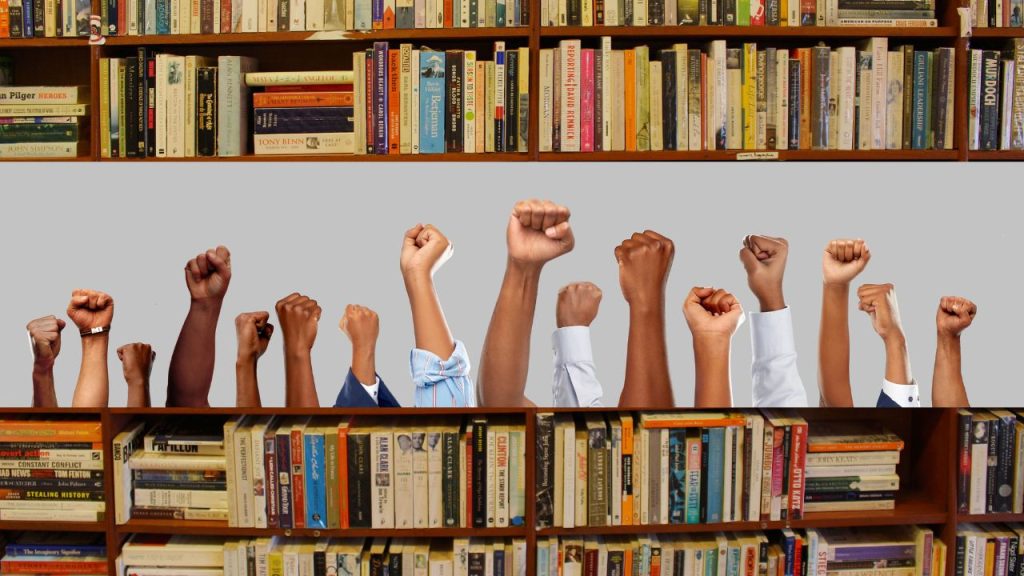

I don’t know about you, but nothing makes me want to read a book more than its prohibition. In fact, according to the Streisand effect, book banning often backfires, piquing public interest towards a censored book and ultimately increasing its sales. It seems children and adults alike are most intrigued by what they’re told they can’t have. In the words of Isaac Asimov, “any book worth banning is a book worth reading”. So read on for 10 classic and contemporary children’s books worth reading (and re-reading), whatever your age.
Alice’s Adventures in Wonderland by Lewis Carroll
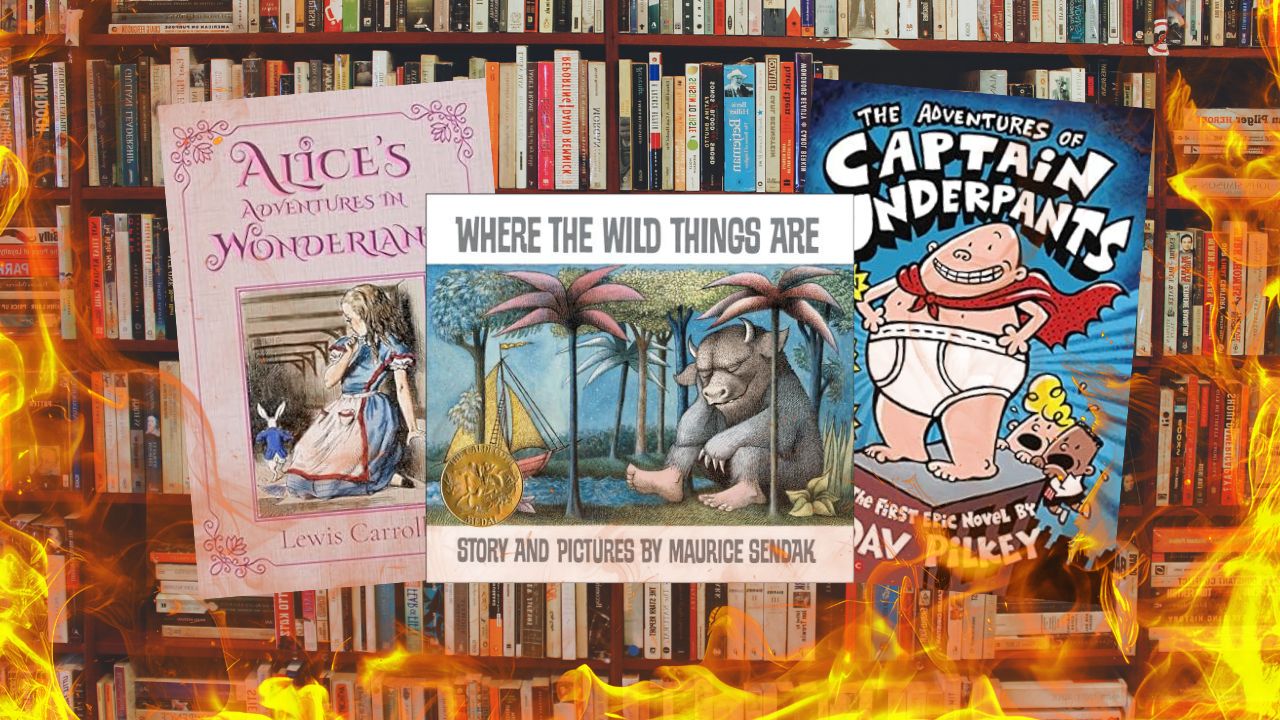
When you think of children’s classics, Alice’s Adventures in Wonderland is likely one of the first to come to mind, if for no other reason than for its nonsensical legacy. To some, this was dangerous nonsense.

In 1931, Alice was banned in China’s Huan province for its talking animals. The governor ruled that representing animals — the Mad Hatter, the Cheshire Cat — with the same complexity as humans posed a threat to children’s understanding of social order. It might sound like a stretch, but Alice isn’t the only children’s book to come under fire for its anthropomorphism. Winnie the Pooh and Charlotte’s Web have faced censorship in the US for the same reason. But Alice’s transgressions get curiouser and curiouser. Progressing into the 1960s, parents in the US feared that Carroll’s stories promoted psychedelic drug use. Alice meets a somewhat drowsy caterpillar smoking a hookah. She consumes non-descript potions and, yes, mushrooms, all of which alter her physical state.
Little Red Riding Hood by the Grimm Brothers
Red Riding Hood is famously on an errand to visit her ailing grandmother when a predatory wolf tempts her in the woods. But according to Californian school authorities in the 1990s, the Big Bad Wolf isn’t the biggest or baddest threat to Grimms’ young readers — that’s the alcohol tucked into Red Riding Hood’s basket.
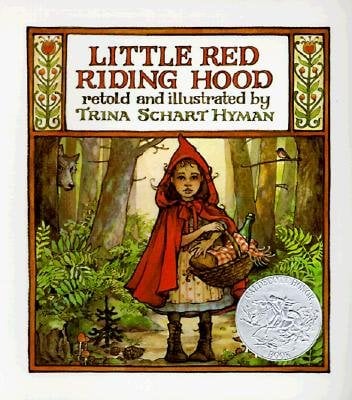
In Trina Schart Hyman’s illustrated edition of the fairytale, the bottle of wine is visible amongst the goods Red Riding Hood’s mother sends with her. Perhaps more striking, pages later, is the picture of Red Riding Hood’s grandmother post-severance. The wine bottle is now half empty. Grandmother’s face is suspiciously flushed. Culver City school authorities removed Little Red Riding Hood from their curriculum because it defied the anti-intoxication messages they hoped to instill in their students. But let’s be honest — if being saved from the digestive system of a wolf doesn’t deserve a toast, I don’t know what does.
The Wizard of Oz by L. Frank Baum
Bad news for Wicked fans — the witches didn’t always have “unlimited” success. L. Frank Baum’s 1900 classic sees a farm girl transported to the mystical land of Oz, a world far removed from Kansas, paved with yellow roads and emerald cities.

At first, Oz was censored across California, Florida, and Detroit for its perceived Communist sentiment. “For what one wishes the others all try to give him,” the Tin Woodman claims, “in order to make him happy, and no one in Oz cares to have more than he can use.” In the 1980s, however, Oz came under fire for its “godless” romanticization of witches, namely, the “good” witch. Families from Tennessee fought to have the book dropped from the school syllabus. Safe to say, Glinda wasn’t always so popular.
Where the Wild Things Are by Maurice Sendak
A classic picture book read to generation after generation since its 1963 publication: Where the Wild Things Are. Or alternatively, according to Rob Spillman, Where the Wild Things Aren’t.

Sendak’s picture book faced bans in a number of Southern states pretty much immediately. Librarians and psychologists alike flicked through this story of rebellion, isolation, and monsters, and deemed it too frightening for children. Wild Things has come a long way since its publication, scoring a film adaptation and even being picked out by President Obama, who read the book to an audience of children at the White House Easter Egg Roll back in 2009.
The Diary of a Young Girl by Anne Frank
The first three times I read the Diary of a Young Girl, I was stunned by Anne Frank’s enlightening, heartbreaking, and candid account of her years growing up in an Amsterdam annex during the Second World War. For some parents, however, Anne’s candidness was a source of controversy — and not for the reasons you might expect.
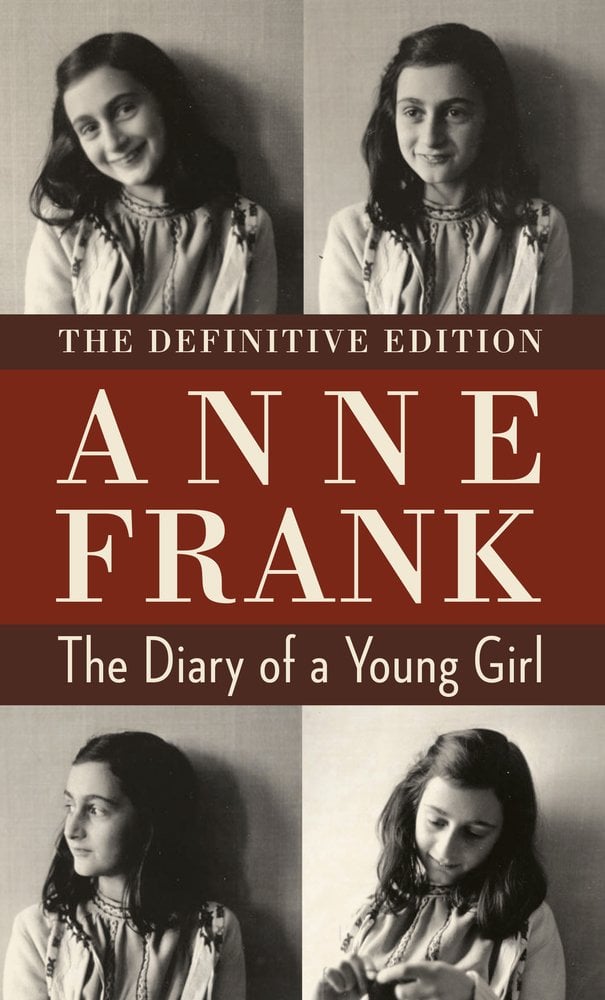
An unabridged edition of the diary included rarer passages omitted elsewhere, including Anne’s less-than-flattering descriptions of her mother, teenage reflections on her own sexuality, and, controversially, vivid “sexual” descriptions of her own body. It were these self-descriptions that led parents in Virginia to complain, ultimately having the edition banned from the school.
Ruby Bridges Goes To School by Ruby Bridges
Ruby Bridges Goes To School tells the story of six-year-old Ruby, the first African-American child to attend her formerly whites-only elementary school in Louisiana, and the discrimination she faced. As it turns out, the Ruby Bridges books have faced their fair share of objections, including bans and challenges in Tennessee, Texas, Iowa, and Pennsylvania for their stark accounts of racism.
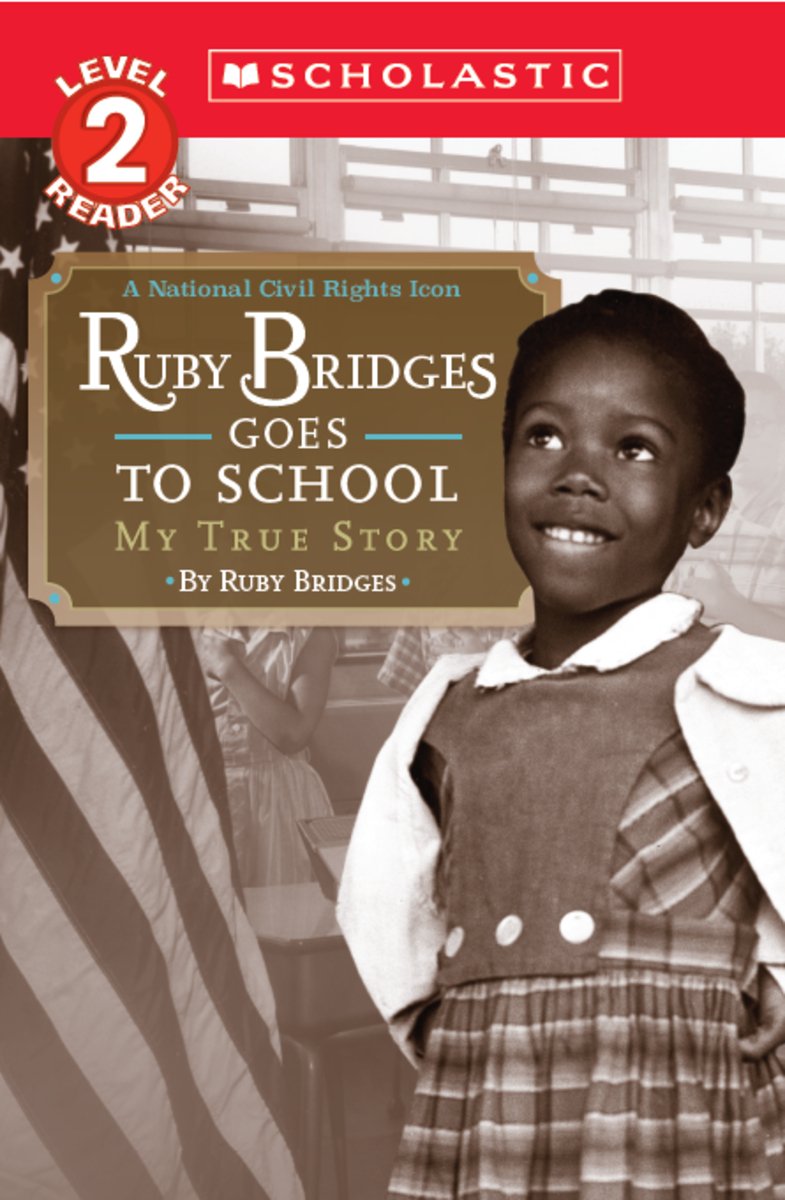
Ruby Bridges, now an acclaimed civil rights activist and writer, spoke up against the censorship of her autobiographies. “If you’re banning my books because they’re truthful, then why don’t we start having a conversation about the books that we force our young people to study, like the textbooks we know omit so much of the truth?”
Brown Bear, Brown Bear, What Do You See? by Bill Martin Jr.
Arguably the most inoffensive book to ever make a banned list. Early readers turn the pages of this picture book from a brown bear to a red bird, a yellow duck, a blue horse, and so on. So why did a school board in Texas remove it from their bookshelves?
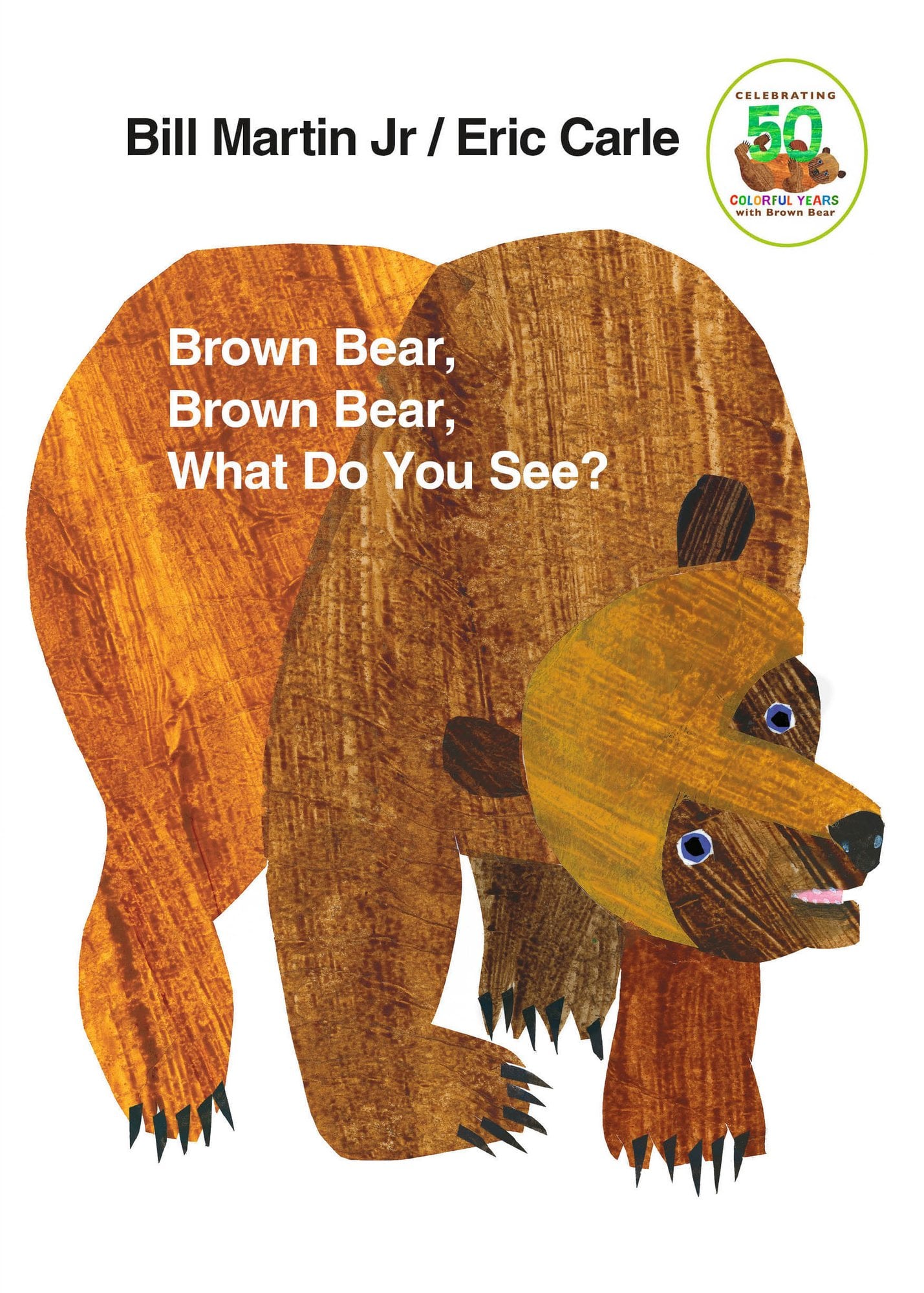
Completely by accident. The picture book’s author, Bill Martin Jr., was confused with Bill Martin, author of Ethical Marxism: The Categorical Imperative of Liberation, to whom the school board objected. Easy mistake.
The Lorax by Dr. Seuss
The Lorax is perhaps most famous in its 2012 movie form. But before Let It Grow could become a hit, Californian residents were calling to let it go from their school libraries.
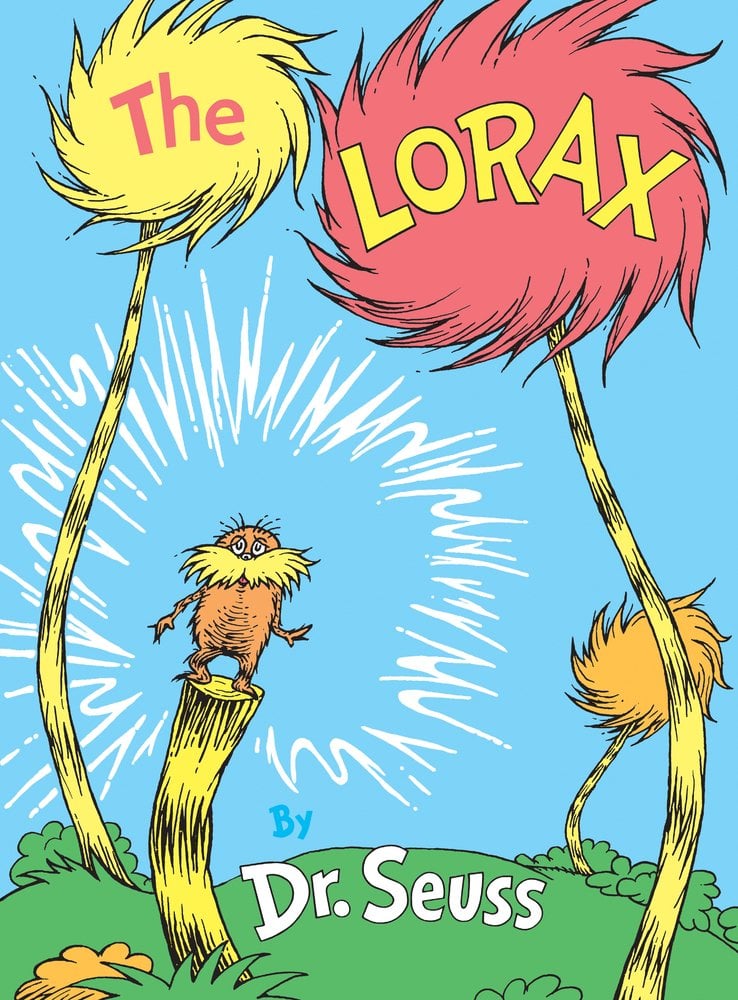
There are several circulating reasons why schools in Laytonville banned Dr. Seuss’ book in 1989. The book has been criticized for its excessive presentation of consumerism. Those who logged for a living were disturbed by the negative portrayal of the logging industry it could teach children; so much so that they sponsored a counter-tale called the Truax.
James and the Giant Peach by Roald Dahl
If you thought we’d covered all the possible objections to children’s books, think again.
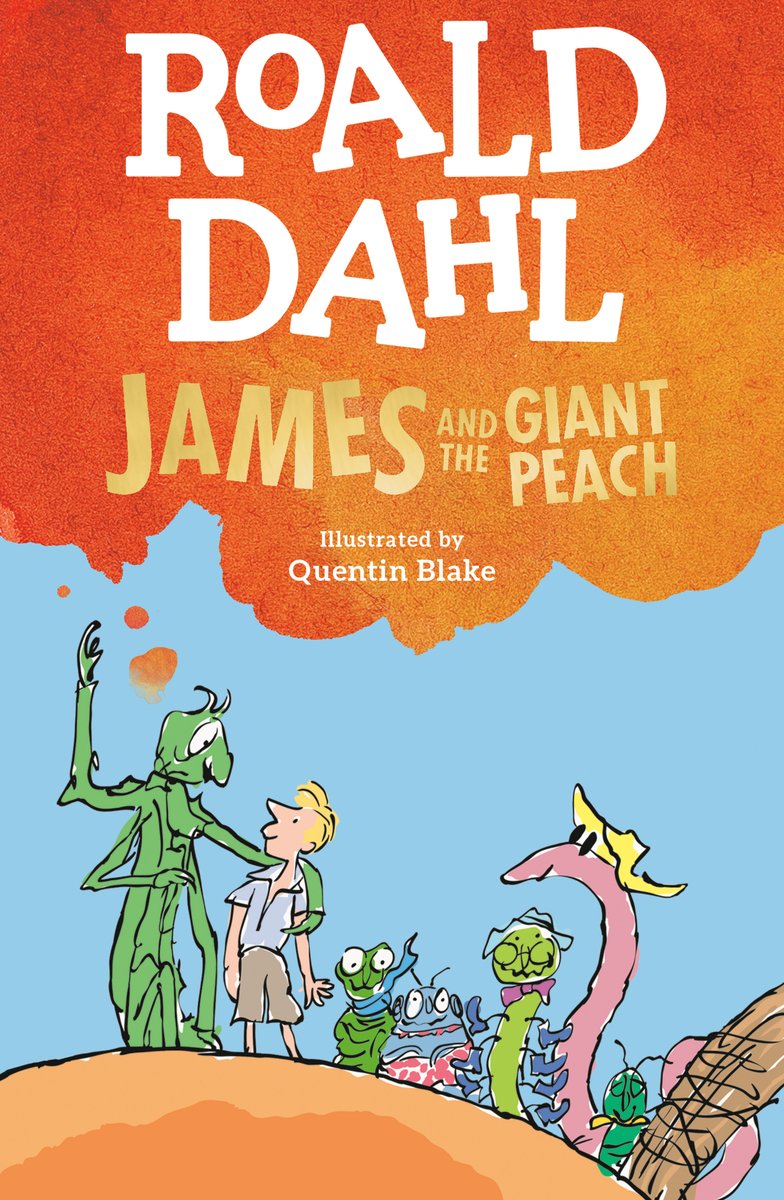
Protests against James and the Giant Peach have included its scary scenes and its portrayal of tyrannical adults, but also its presentation of animals. James takes refuge from his cruel aunts in a giant peach, where he meets an array of man-sized insects, including a seductive spider. The book was banned in Wisconsin after complaints over the “sexual” nature of a spider licking her lips.
Captain Underpants by Dav Pilkey
In 2012 and 2013, the Captain Underpants books landed at number one on the American Library Association’s Top Ten Most Frequently Challenged Books list. The children’s series was challenged more than Fifty Shades of Grey. Why? They’re perceived as irreverent and anti-establishment, teaching children to question authority.
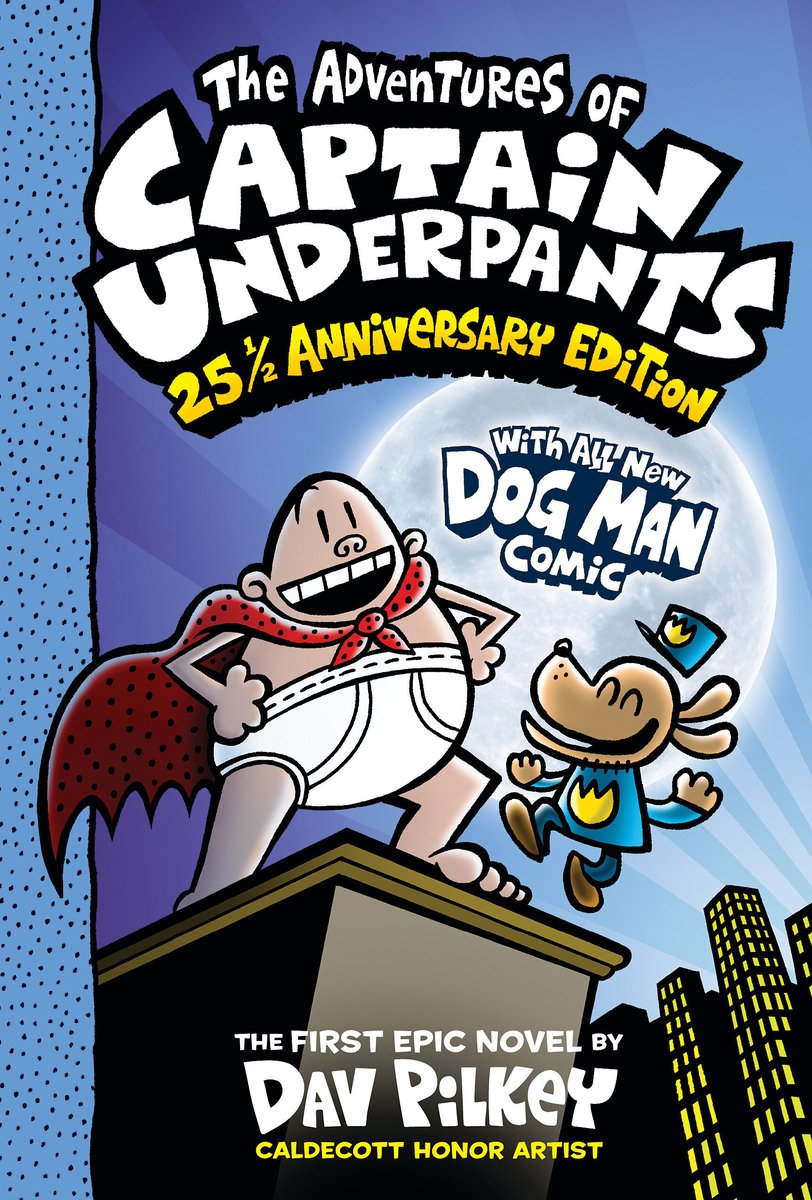
The Adventures of Captain Underpants follows the schemes of schoolboys George and Harold, who hypnotize their principal, turning him into the eponymous underwear-bearing superhero. It’s imaginative, it’s silly, and yes, adults are often the butt of the jokes. Dav Pilkey took to The Guardian to respond to the unanticipated infamy of his series. His books “contain no sex, no profanity, no nudity, no drugs and no graphic violence (well, nothing more violent than you’d see in a Tom and Jerry cartoon or a Three Stooges short)”.
This list is by no means an exhaustive selection of the many children’s titles that have, over the years, been censored, prohibited, and banned in the US and beyond. And it’s safe to say the banning will continue, adding more books to our reading lists.
For further reading, check out a breakdown of every official banned and challenged book of 2024 here.
For Bookstr’s banned recommendations, check out our bookshelf here.