


You know these books. You stayed up past midnight reading them under the covers. You argued about them in online forums. You dressed as the characters for Halloween. If you were born in the late eighties, these ten novels didn’t just entertain you — they shaped who you became. They emerged as the cultural touchstones of our generation, helping us understand love, loss, justice, and what it means to be human in a messy world.
Trigger Warning: This article contains discussions of sexual abuse, rape, murder, suicide, child violence, and war trauma. Reader discretion is advised.
Harry Potter and the Sorcerer’s Stone by J.K. Rowling
When Harry Potter and the Sorcerer’s Stone arrived in American bookstores in 1998, few could have predicted it would become the defining literary phenomenon of a generation. J.K. Rowling’s tale of the boy who lived transformed the publishing industry, creating a blueprint for cross-generational storytelling that the industry continues to follow today.
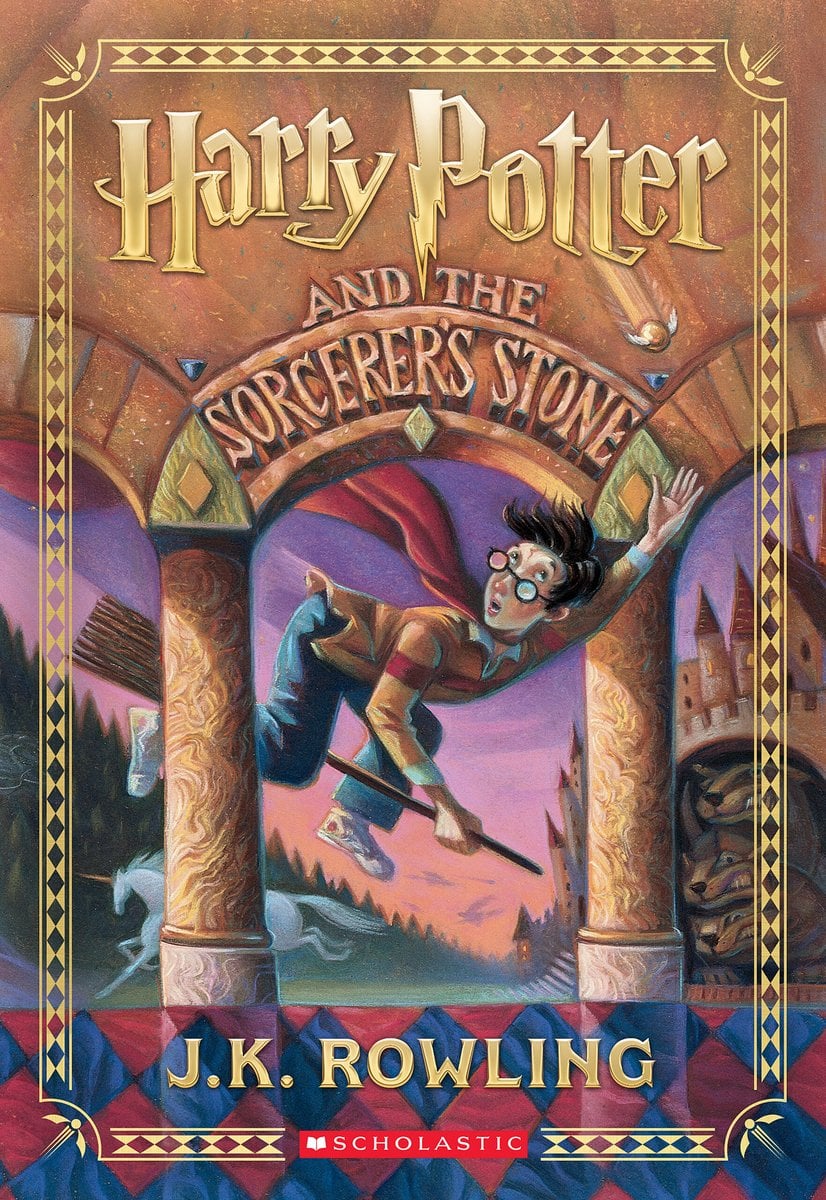
This series arrived at the perfect moment — we were the exact right age to grow up with Harry, starting as eight-year-olds and becoming teenagers by the time Deathly Hallows dropped in 2007. Rowling’s willingness to mature her themes alongside us created an unprecedented reading experience. She built a world so immersive that Hogwarts felt more real than our actual schools; we all knew our house, our Patronus, our wand, and genuinely checked the mail for our acceptance letters when we turned eleven! Harry Potter created modern fandom culture—online forums became spaces where fans obsessively discussed every detail, proving that books could not only compete with screens but also dominate the cultural conversation. Rowling taught an entire generation that outcasts could be heroes, that standing up for what’s right matters even when it’s terrifying, and that the stories we love can fundamentally shape how we see ourselves and the world.
The Hunger Games by Suzanne Collins
Suzanne Collins’ The Hunger Games arrived at a pivotal cultural moment. Published in 2008 as the Great Recession took hold and reality television dominated the airwaves, Collins’ dystopian thriller felt both fantastical and uncomfortably prescient. The story of Katniss Everdeen — a teenage girl forced to fight to the death for entertainment — struck a chord with young adults coming of age during economic uncertainty and endless media spectacle.
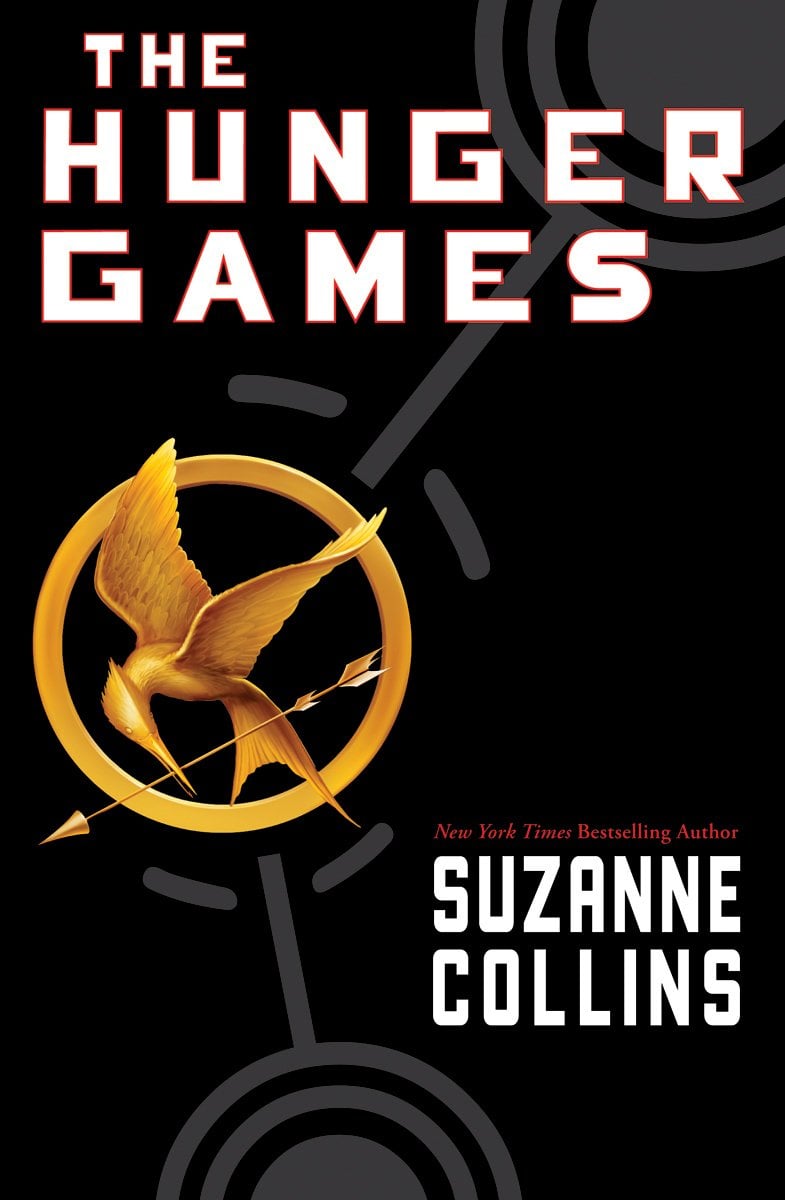
Ah, Katniss Everdeen — a female protagonist who volunteered to fight to the death for her little sister, hunted to keep her family alive, and accidentally sparked a revolution just by refusing to kill the boy she might love. Watching her navigate impossible moral choices while the entire country watched was utterly gripping. Collins created a world so vivid and brutal that we couldn’t look away: the arena’s deadly traps, the Career tributes hunting in packs, Rue’s death breaking our hearts, and that final standoff with the berries that changed everything. Katniss had no special powers, just a bow and a refusal to comply, which made her defiance feel earned. Even the love triangle mattered — it was about survival strategy and public performance, not just romance. Collins trusted us with a protagonist who was traumatized, morally complicated, and didn’t always make the “right” choice, giving us a heroine who felt human in a way YA protagonists rarely did.
Twilight by Stephenie Meyer
Love it or hate it, Twilight demands acknowledgment as a generation-defining text. Stephenie Meyer’s vampire romance created strong divisions between readers, but it left an unshakeable mark on popular culture. The series sold over 160 million copies worldwide and created a template for paranormal romance that dominated publishing for years.

Meyer tapped into something millennial women were craving — a fantasy where an ordinary girl was the center of someone’s entire universe — right when we were navigating our own messy relationships and figuring out what love was supposed to feel like. She allowed us to want the intense, dramatic, even problematic version of romance we’d been told to be embarrassed about. Team Edward versus Team Jacob debates became genuine social currency, midnight release parties made YA feel like an event, and adults reading “teen” books unapologetically became normalized. Whether you loved it or thought it was deeply flawed, you couldn’t escape the conversation — it opened doors for more diverse YA voices while forcing an entire generation to examine what we wanted from love stories.
The Kite Runner by Khaled Hosseini
Khaled Hosseini’s The Kite Runner was published in 2003, as Americans were grappling with the wars in Iraq and Afghanistan. The novel offered Western audiences an intimate portrayal of Afghanistan, one that transcended news coverage — a story of friendship, betrayal, and redemption set against the country’s turbulent history spanning decades.

This book arrived in 2003 as millennials were coming of age during the wars in Iraq and Afghanistan, and it gave us an intimate, human portrait of a country we only knew from news headlines. Hosseini made Afghanistan feel real through the depiction of kite tournaments and class divisions, while telling a story about guilt and privilege that felt uncomfortably universal. Amir’s cowardice in that alley became a perfect metaphor for how fear makes us complicit in injustice, and the book didn’t offer easy answers — making things right is messy, painful, and sometimes comes too late. For many of us, this was our entry point into global literature and stories beyond the Western canon we’d grown up with. Hosseini proved that diverse voices could dominate bestseller lists, helping reshape what mainstream American literature looks like.
The Perks of Being a Wallflower by Stephen Chbosky
Stephen Chbosky’s The Perks of Being a Wallflower became the voice of sensitive, introspective teenagers everywhere. Written as a series of letters from high school freshman Charlie to an anonymous recipient, the novel tackled mental health, sexuality, abuse, and the struggle to find connection with a tenderness that felt revolutionary in young adult literature.

This story gave millennial teenagers approval to be sad, anxious, and overwhelmed at a time when mental health wasn’t really part of the cultural conversation yet. It made being sensitive feel like a strength instead of a weakness. Charlie’s letters tapped directly into our generation’s obsession with journaling — so many of us had our own diaries where we poured out our feelings. The format made his story feel like reading our own private thoughts, showing us that our big, messy emotions were real and worth expressing. The novel’s frank discussions of mental health, sexual abuse, and LGBTQ+ identity were groundbreaking for its time. Lines like “we accept the love we think we deserve” became mantras for a generation learning to navigate impossible emotional landscapes. Chbosky told a generation of sensitive, introspective kids that they weren’t broken — they were just paying attention — and that message still resonates because being young and trying to figure out where you fit never stops being hard.
Life of Pi by Yann Martel
Yann Martel’s Life of Pi asked a deceptively simple question: What do you choose to believe? The story of Piscine Molitor Patel, a teenage boy who survives 227 days stranded on a lifeboat with a Bengal tiger, operates on multiple levels — as an adventure story, philosophical inquiry, and meditation on faith and storytelling itself.
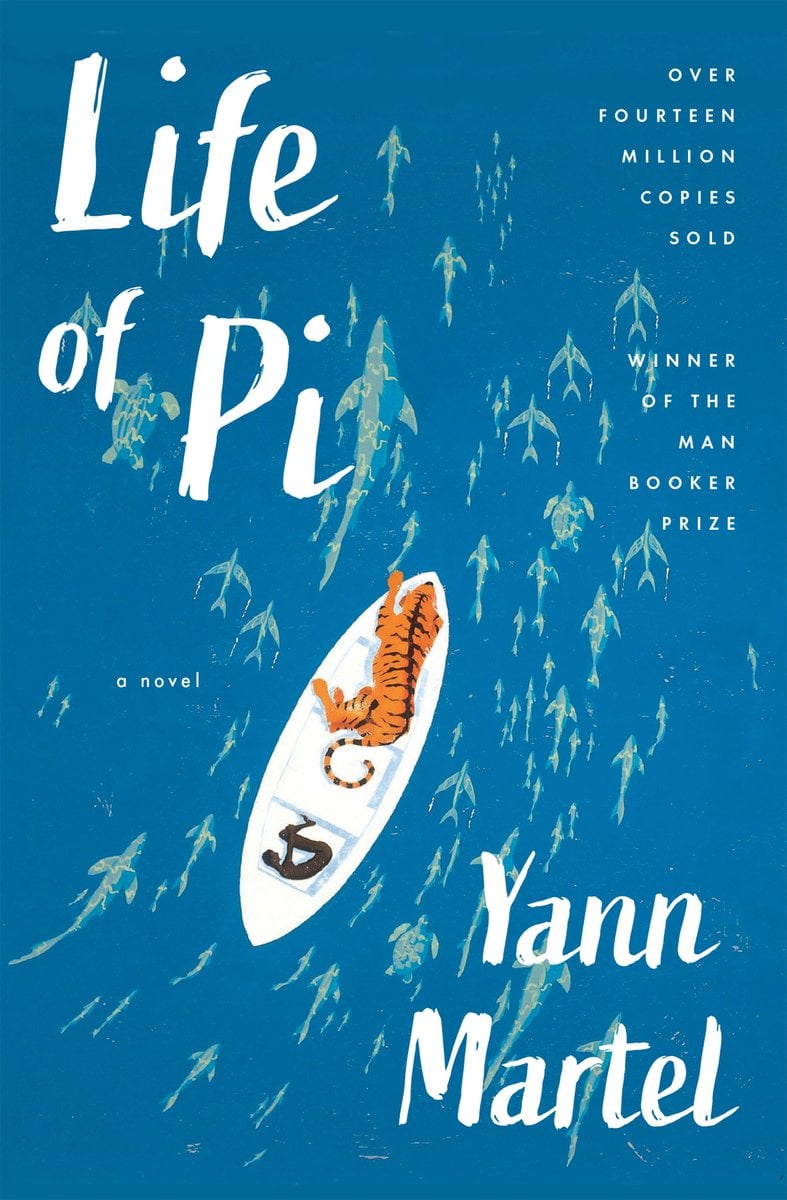
Life of Pi landed right when we were starting to realize that “truth” was far more complicated than our textbooks suggested, and it gave us a framework for thinking about ambiguity that actually felt empowering instead of unsettling. Here’s the tiger story, and here’s the brutal human version. Now, you decide — which was perfect training for a generation that would grow up navigating an infinite number of competing narratives online. It validated our increasingly eclectic approach to spirituality; Pi practicing three religions at once felt radically honest compared to the rigid boxes we were supposed to check. Martel said, “The stories we tell ourselves matter, even if we can’t prove they’re literally true,” and for a generation constantly accused of being relativistic, that was validating. We learned that faith and doubt could coexist, and that choosing hope over despair was an act of courage, not naivety.
The Da Vinci Code by Dan Brown
Dan Brown’s The Da Vinci Code became the book everyone was reading in the mid-2000s. The thriller, which sent symbologist Robert Langdon on a chase through Europe, uncovering secrets about Jesus Christ and the Catholic Church, sold more than 80 million copies and sparked intense debate about history, religion, and the line between fact and fiction.

This one hit peak millennial energy because it arrived right when we were developing our skeptical relationship with institutions and gave us the most fun homework assignment ever — going down research rabbit holes to figure out what was real and what wasn’t. The book made us feel sophisticated and rebellious at the same time. It tapped into our growing distrust of institutional power, especially religious authority, but packaged it as a page-turner instead of a lecture. It validated the millennial instinct to question official narratives and conduct our own research, even if half of the “research” involved conspiracy theories. Brown essentially gamified critical thinking for a generation that was already primed to ask, “But what if everything we’ve been told is wrong?”
The Fault in Our Stars by John Green
Published in 2012, immediately became the defining young adult contemporary novel of its era. The love story between Hazel Grace Lancaster and Augustus Waters, two teenagers living with cancer, balanced heartbreak with humor, and philosophy with emotion, in a way that felt fresh and authentic to millennial audiences.
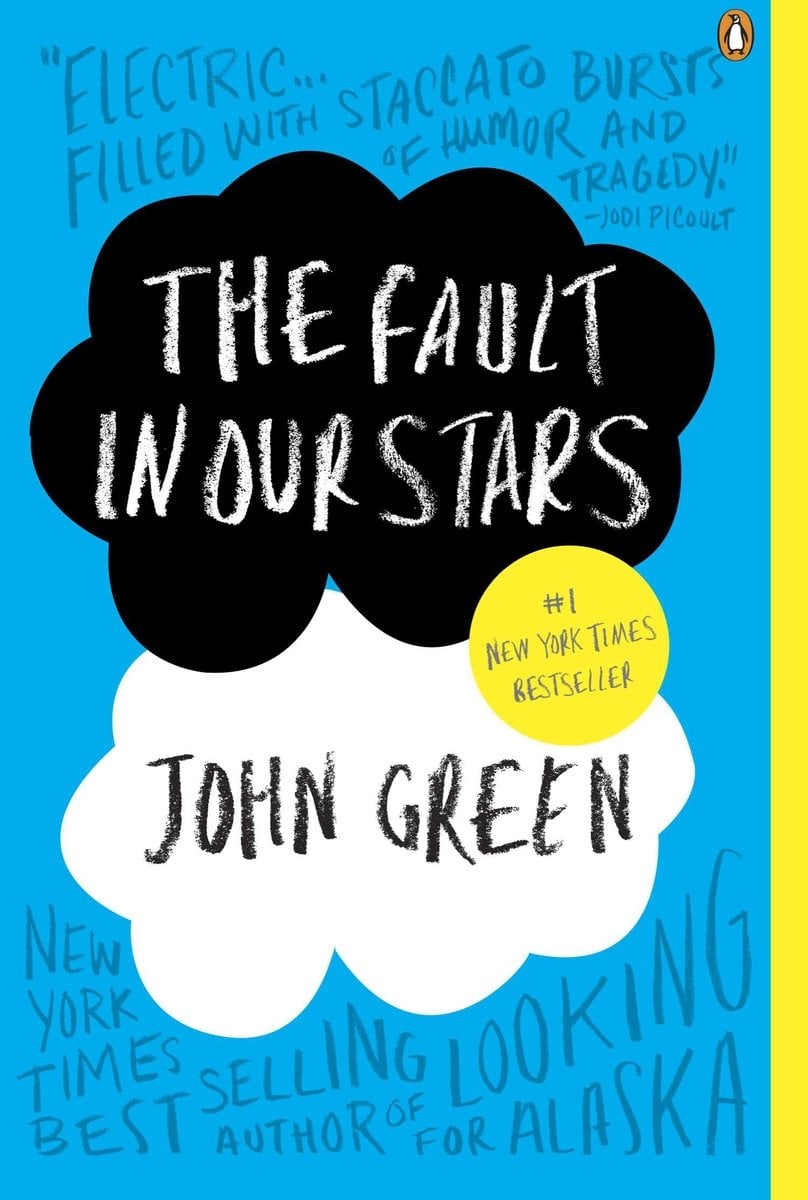
This story was released in our early to mid-twenties, when we were old enough to be terrified of mortality but still young enough to believe in grand romantic gestures, and it gave us a license to be both cynical and hopeful at the same time. Here were these smart, funny teenagers who refused to be defined by their tragedy, who made jokes about their own deaths while still choosing to love fiercely, and it validated everything we’d been feeling — that you could acknowledge life’s brutality and still show up for it anyway. It respected our intelligence while emotionally destroying us, which is exactly what we needed. It also captured that millennial tension of knowing terrible things are coming but deciding to find meaning and connection anyway. We’re the generation that jokes about our own doom while still trying to leave a positive mark, and Hazel and Augustus basically wrote the playbook for that.
His Dark Materials: The Golden Compass by Philip Pullman
Philip Pullman’s The Golden Compass, first in the His Dark Materials trilogy, pushed the boundaries of what fantasy could do and say. Published in 1995, the series followed Lyra Belacqua through parallel worlds where humans’ souls existed outside their bodies as animal companions called daemons, where armored bears fought wars, and where the nature of consciousness itself was at stake.

This one absolutely blew our millennial minds at precisely the right moment — we were that sweet spot age where we could handle big ideas but still believed in magic. Lyra had a literal truth detector (goals, honestly), and was fighting a corrupt religious empire; it felt like Pullman was saying, “Yeah, you’re smart enough for this.” What made it hit so hard was that it came out when we were just starting to ask real questions about authority, religion, and power, and instead of being talked down to, we were handed a wild adventure that trusted us with genuinely complex themes. The daemon concept was basically the personality quiz idea before we were all obsessed with sorting ourselves into houses and MBTI types. The book gave us a framework for thinking critically about institutions while still believing in magic, friendship, and fighting for what’s right. Plus, it kept getting deeper and weirder as the series went on, which meant it actually respected our intelligence and grew with us.
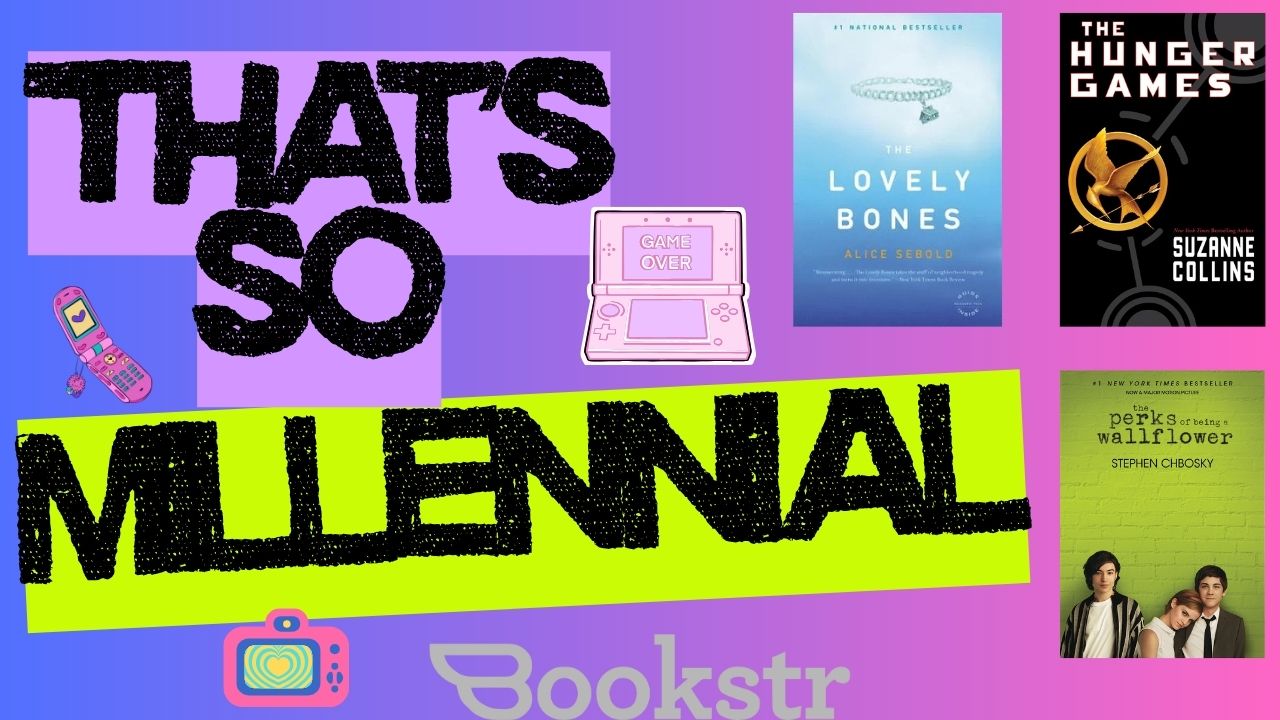
The Lovely Bones by Alice Sebold
Alice Sebold’s The Lovely Bones took a premise that could have been exploitative — a teenage girl narrates from heaven after being raped and murdered — and created something devastating and profound. Published in 2002, the novel spent over a year on the New York Times bestseller list and became one of the defining book club selections of the decade.
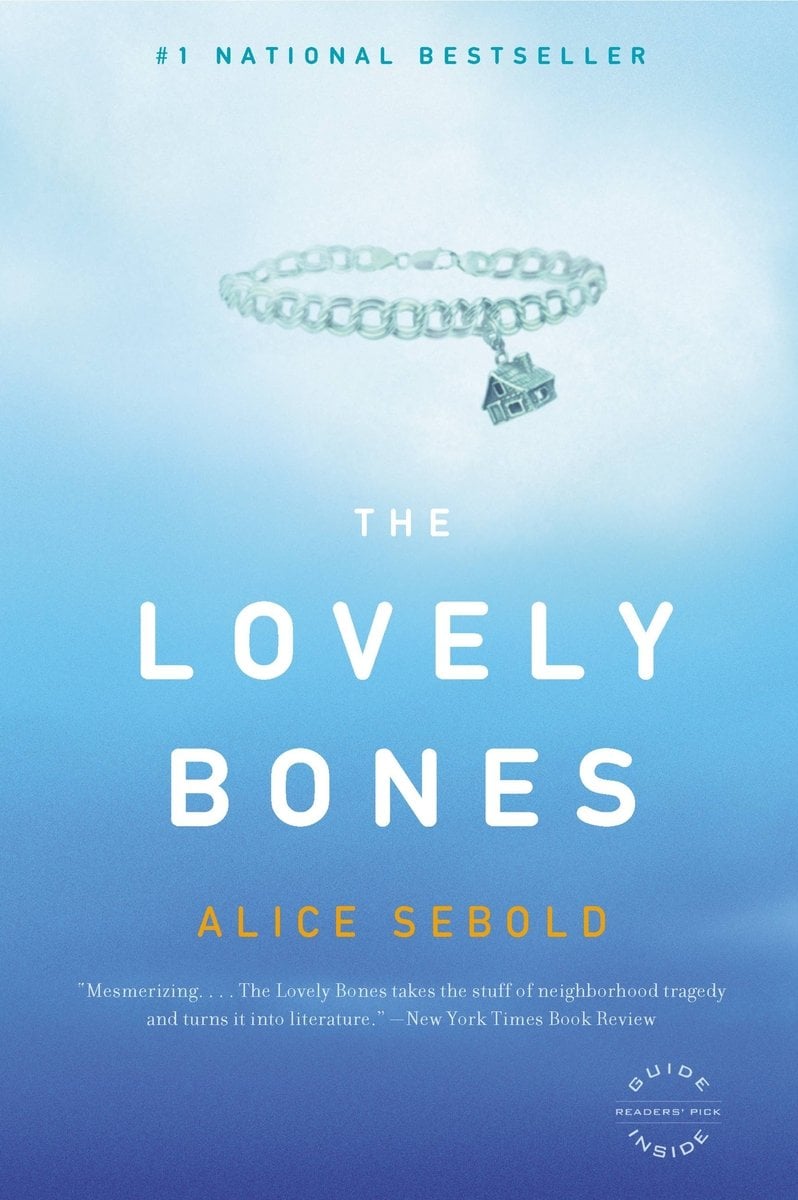
What made this story so powerful was Sebold’s choice to focus not on the violence itself but on its aftermath. From her place in the “in-between,” Susie Salmon watches her family navigate grief, her friends grow up without her, and her killer live his everyday life. Sebold’s accessible, emotionally direct prose made difficult subject matter readable without minimizing its weight. For many transitioning into more mature literature, The Lovely Bones represented a bridge — sophisticated in theme and execution, yet still fundamentally a coming-of-age story, even if that coming-of-age occurred after death. The book opened conversations about violence, grief, and healing. Talk about a tear-jerker!
Final Thoughts
What united these authors across genres and styles was their willingness to take audiences seriously, tackling mortality, trauma, faith, love, and identity without condescension. They created characters who felt real in their depth and worlds that provided both escape and mirror, trusting that young people could handle ambiguity and difficult questions when the emotional truth felt authentic. As we pass these stories on to the next generation — whether as gifts, recommendations, or required reading — they continue to do what great literature always does: reveal truths about who we are and how we navigate this complicated life. That’s a legacy worth celebrating.
Looking for more bookish nostalgia? Check out our deep dive into A Reader’s Nostalgia: The Famous Little Golden Book History.
Ready to revisit these classics? Browse our curated shelves on Bookshop and rediscover the stories that made you who you are.