



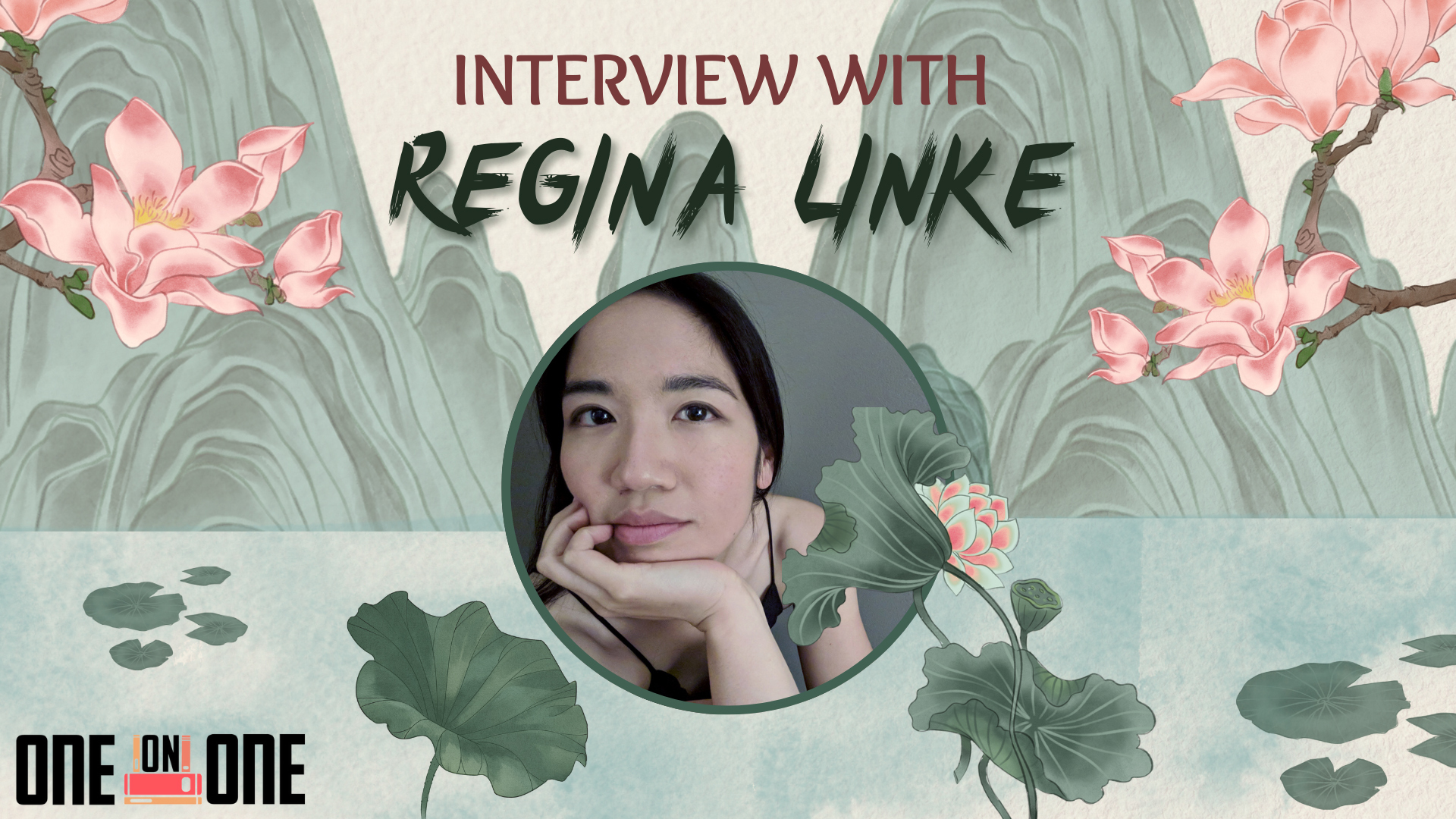
There’s a reason why ancient stories and traditions are passed on through time: they carry with them hidden, multi-generational wisdom that still resonates thousands of years later. For Regina Linke, a Taiwanese American children’s author and illustrator, traditional gongbi-style painting and East Asian folklore have transformed her life. Today, we sat down with this fabulous writer and artist to hear all about her journey into the publishing world, her webcomic rooted in Chinese philosophy, and her recently released children’s book.
About the Author
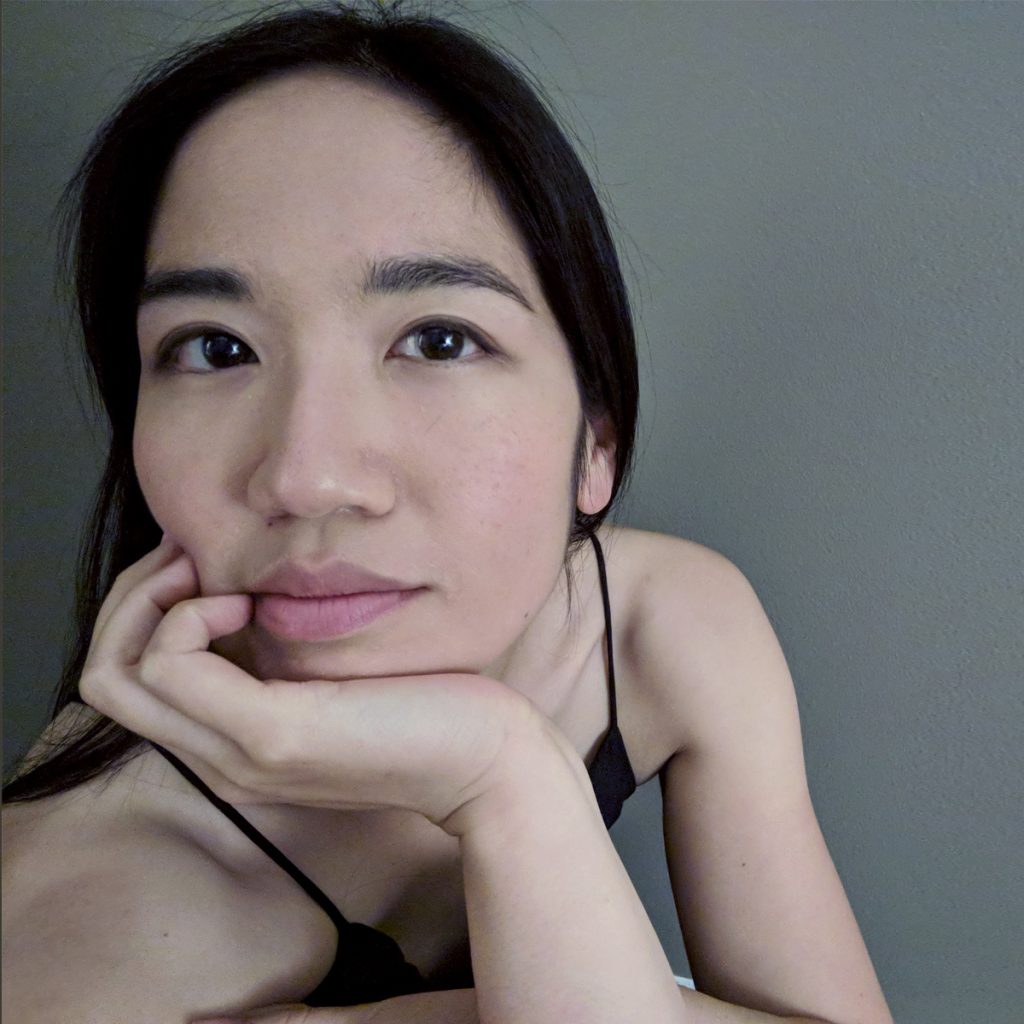
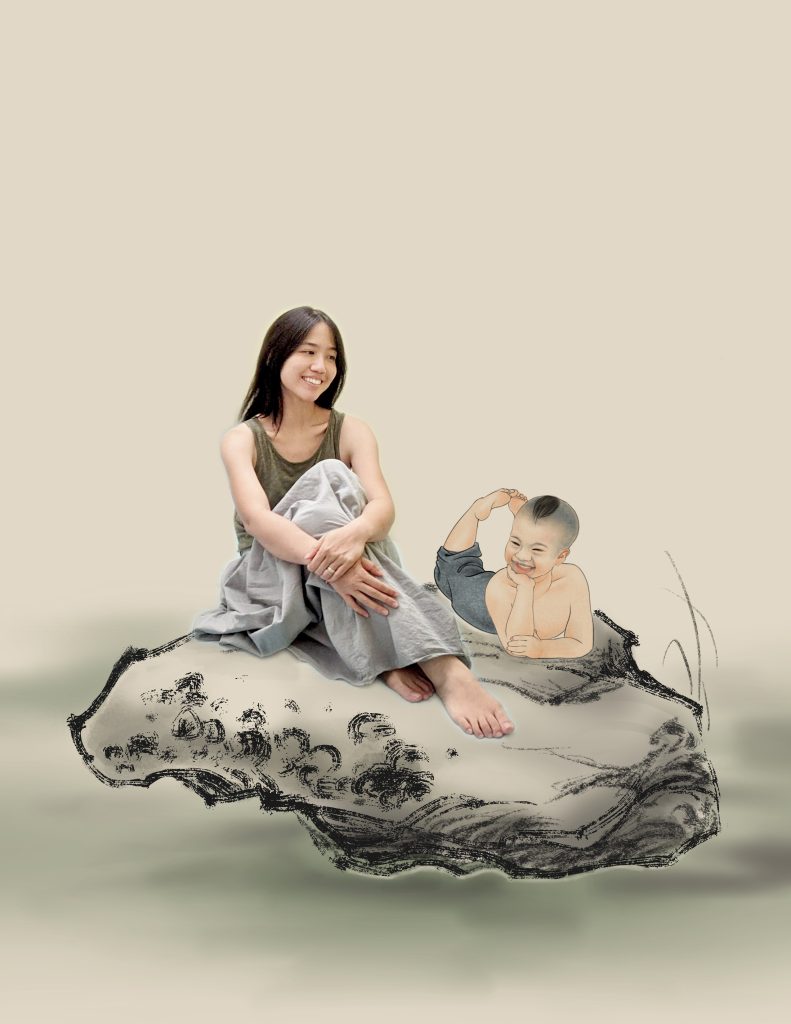
Regina Linke is a bestselling Taiwanese American artist specializing in contemporary Chinese gongbi-style painting, an ancient form of brush painting that depicts narrative subjects in colorful high detail. Using traditional ink and wash techniques in digital painting, her enchanting illustrations deliver classic subjects through a modern lens.
Born and raised in Texas, Regina didn’t learn Chinese painting until she moved to Taiwan in her mid-thirties. Holding degrees from Washington University in St. Louis and Cornell University, she worked in marketing technology and information systems for the tourism industry. Regina now creates stories that celebrate East Asian folklore and philosophy in an accessible way.
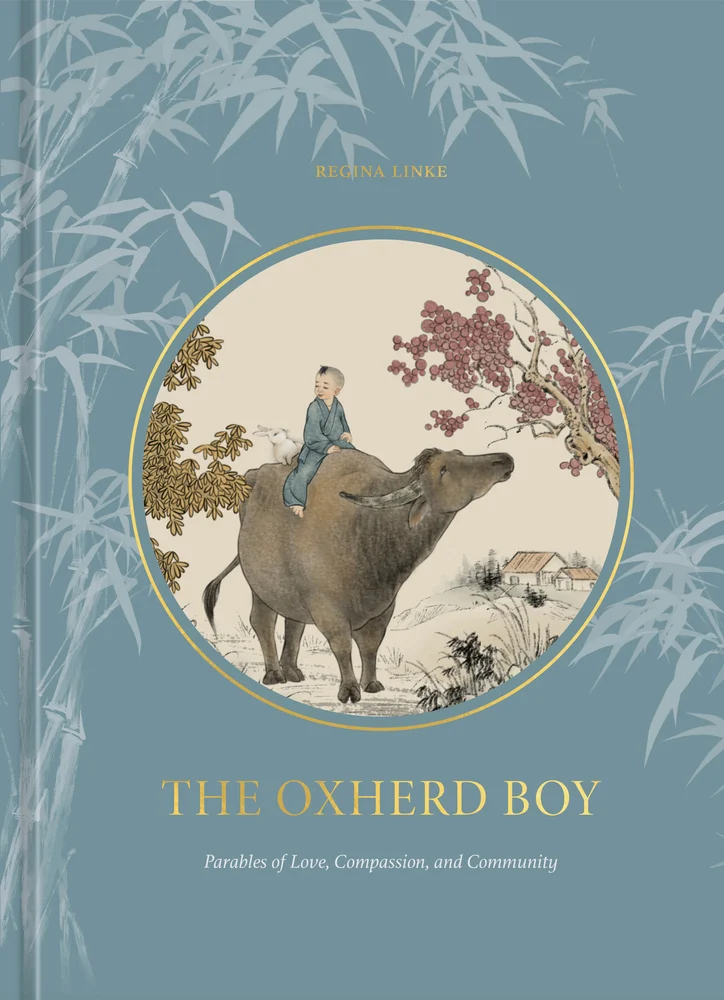
Her most notable creation is The Oxherd Boy, a webcomic whose characters — a boy, an ox, and a rabbit — convey perspectives from Taoism, Buddhism, and Confucianism, which form the foundation of Classical Chinese thought. The print collection called The Oxherd Boy: Parables of Love, Compassion, and Community debuted in 2024 as a bestseller to the delight of fans worldwide. Big Enough, an original story for children, reveals how little Ah-Fu becomes the oxherd boy that audiences have come to know and love.
Regina lives in Rhode Island with her husband and son.
Thank you, Regina, let’s get started!
Regina, let us start by saying the art for Big Enough is absolutely beautiful. Can you talk about your illustrative process and how the visuals come together?
Thank you very much. It was a lot of fun and a project I’d never done before. I had the basic outline of the story first, but rather than starting at the beginning visually and illustrating from there, the single most important, emotive moment takes place right in the middle, and that was the image that came to my mind first. It was Ah-Fu on one side, and Ox on the other, each looking doubtfully, yet expectantly, at the other. Narratively, that was the most important image to capture, and it was the first one I painted, and the visuals radiated from there, both backwards and forwards.
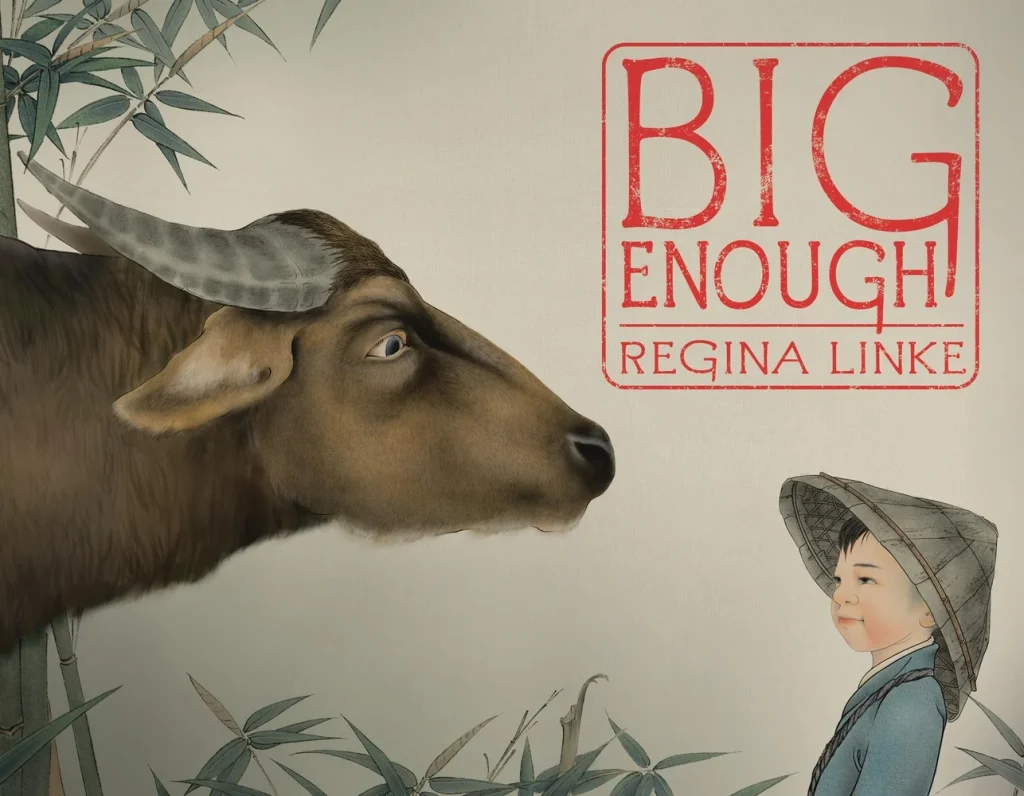
Each of the three well-meaning friends giving Ah-Fu their advice and then seeing him do all of the things they warned him not to do, the journey away from and back home, and the shift from day to night — they all lent themselves to a certain level of symmetry and created a very visually balanced story that felt satisfying. I give a lot of credit to my editor, Alvina Ling, and art director, Saho Fujii, for their guidance throughout the process and their keen attention to detail to take my initial ideas to a higher level of execution.
What inspired you to write and illustrate for a young audience?
Being a mom to an extremely precocious and curious boy challenged my own understanding of certain life truths that I often took for granted. He was four years old and asking things like: What happens after we die? Why are there wars? Is life fair? If sharing is good, can’t we share a toothbrush? And I’m the kind of person who doesn’t want to squash a child’s sense of curiosity, but I also feel ill-equipped to explain certain things. I felt it would be a good exercise, not only as a writer and illustrator but also as a parent, to convey complex topics to a young audience.
This story was adapted from your popular webtoon, The Oxherd Boy. How does creating a story for a picture book format differ from creating a webtoon?
A single-panel webtoon is a very small thing with which to hook a reader. The ideas and visuals have to be a world in and of themselves, which is vastly different than a picture book of nearly 40 pages, with an original story flowing through it. There’s so much more space to explore each character, their fears and motivations, their emotions and behavior, and their relationship with one another. There’s more room to breathe and pace oneself, which applies to the visuals, too. Naturally, having a larger and longer canvas to work with gave me a chance to let loose so many painting skills that had yet to find an outlet online, and even in the inspirational book that is the print collection of the webtoon. Ultimately, making Big Enough allowed me to explore this world more deeply than ever before.
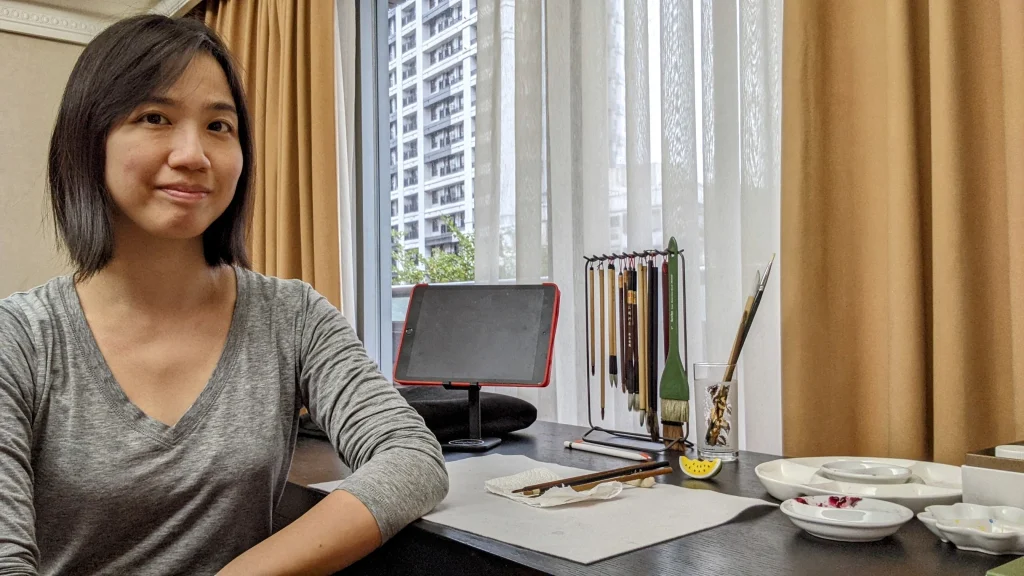
You’ve mentioned before that you use a traditional style of gongbi, meaning “meticulous detail,” and its opposite, xieyi, meaning “sketching thoughts.” How do you balance these styles in your work?
Most of my training comes from gongbi painting, so that style dominates my illustration, and it’s how I enjoy making my artwork the most. However, because gongbi is so detail-oriented, a piece can sometimes feel a little oppressive if there isn’t negative space, or white space, incorporated into the composition to provide balance and harmony. At the same time, when painting a scene, it’s still important to provide details about the setting, so in those situations, adding more detail in a looser, xieyi style is useful to give the reader visual cues without distracting them with tiny details.
Why is it important to you to bring authentic representation of East Asian culture to children?
I think back to when I was a child and how magical it was to imagine myself as an inhabitant of ancient lands and time periods so vastly different from mine, as an explorer of mythical places that seemed to blend fact and fiction such that it didn’t much matter, because the stories were so captivating. To bring something of that charm to another generation of children and give them a world that seems created out of an ancient Chinese scroll painting is a privilege for me, and I hope a joy to the kids who read this book.
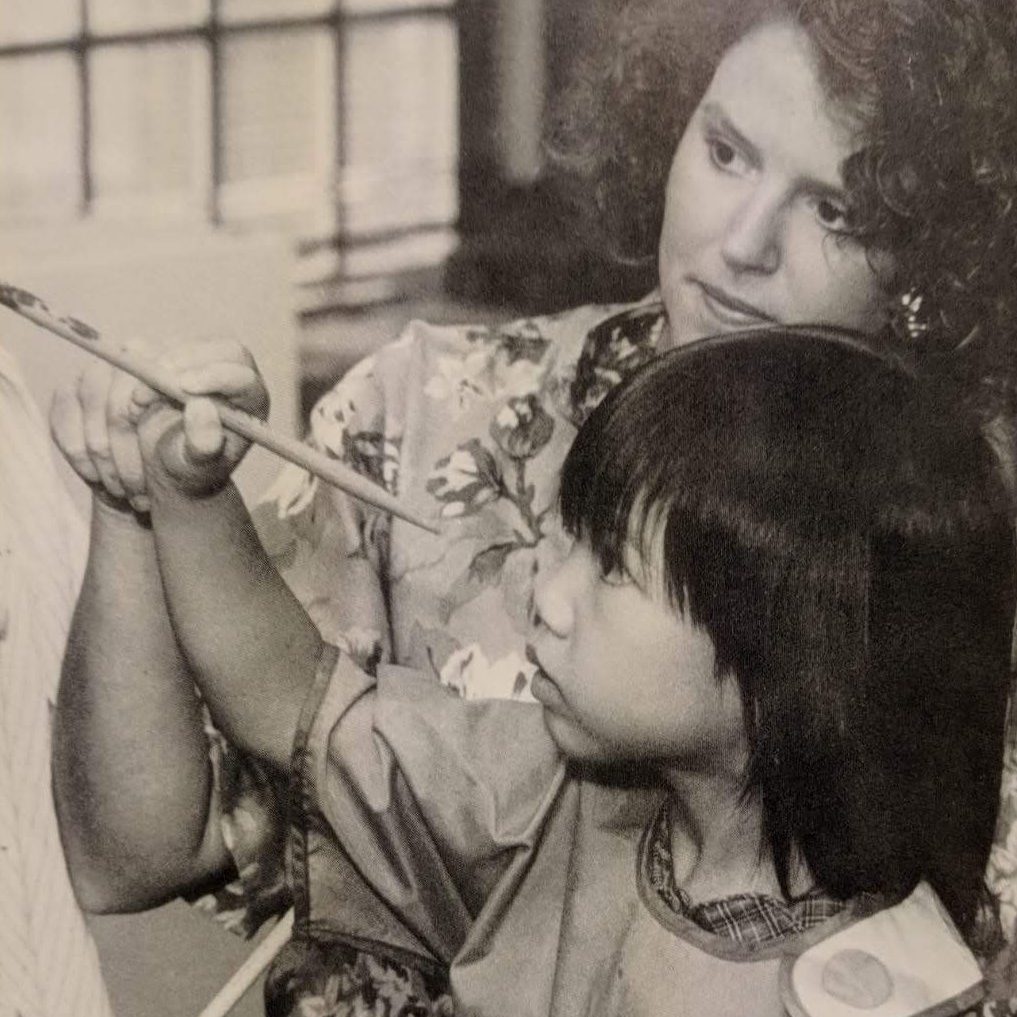
One of the main themes of Big Enough is how to confront the common experience of self-doubt and how to find the confidence to push through it. Why do you think this message is particularly important for young audiences?
Young people spend so much of their lives trying to figure out how to live according to other people’s rules, advice, and recommendations. In any society, this is completely normal, but part of growing wiser and not just older, is also figuring out for yourself what is true. I hope that, like Ah-Fu, young audiences can learn to exercise their own intuitive muscle by being open to other possibilities and trusting their ability to assess situations to make the best choices for themselves.
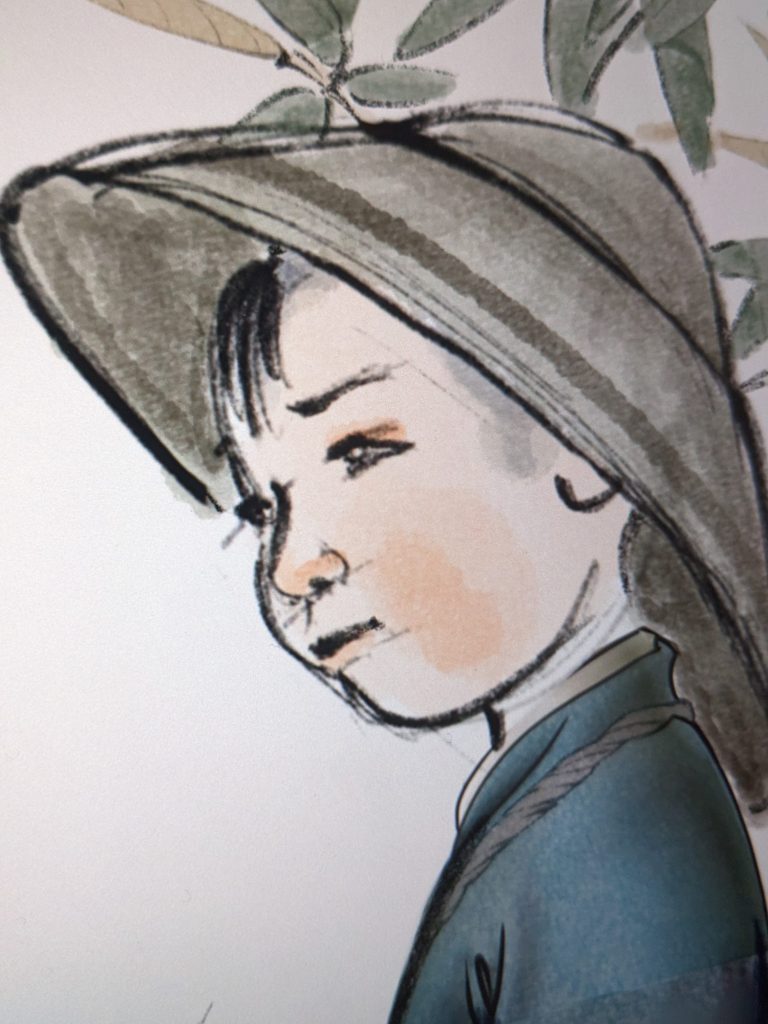
Ah-Fu is a great model of belief and self-assurance for the next generations. Who were your role models in childhood, and how have they influenced your outlook on challenges?
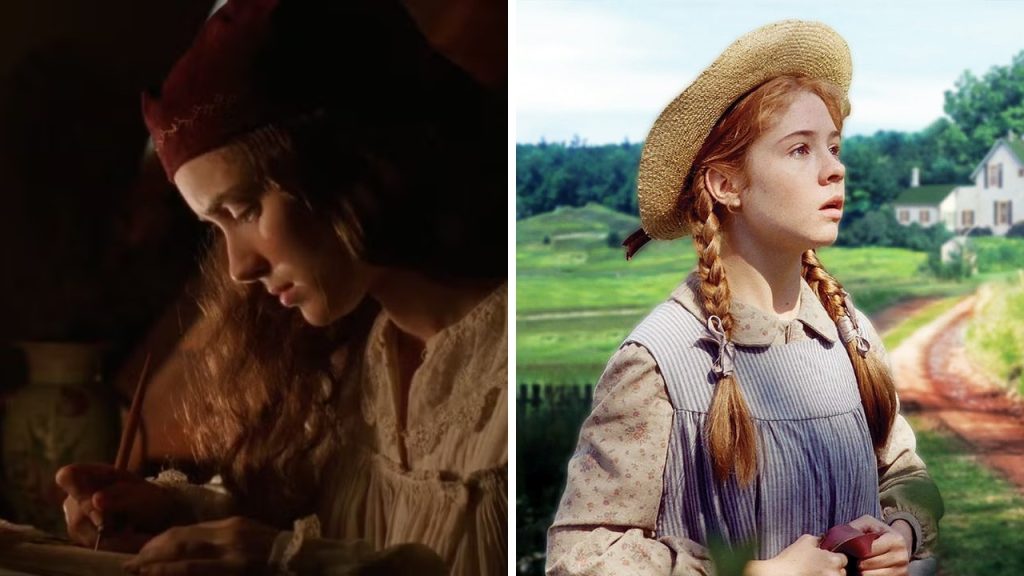
Two of my most influential role models as a child were both literary: Jo March from Little Women and Anne Shirley from Anne of Green Gables. Each of them was different from what others expected of them and struggled with the judgment of others. At the same time, they found a way to be themselves and found their own way, thriving under the love and understanding of those who knew and accepted them, and making peace with the rest. I found these characters, who were written and created in a time when women were very often denied the chance to explore who they could be, much less choose who to be, incredibly inspiring.
Thank you, Regina, for taking the time to share your inspiration! Don’t forget to order Big Enough and The Oxherd Boy: Parables of Love, Compassion, and Community so you can admire her delicate storytelling and gorgeous illustrations. Want more of Regina’s work? Catch up on her webcomic here.
Be sure to follow Regina on her socials!
AUTHOR INSTAGRAM | OXHERD BOY INSTAGRAM | FACEBOOK | WEBSITE
Click here to read about another fabulous Asian American children’s author.
Find Regina’s books and more on our Mini Bookworms bookshelf on Bookshop.org.