



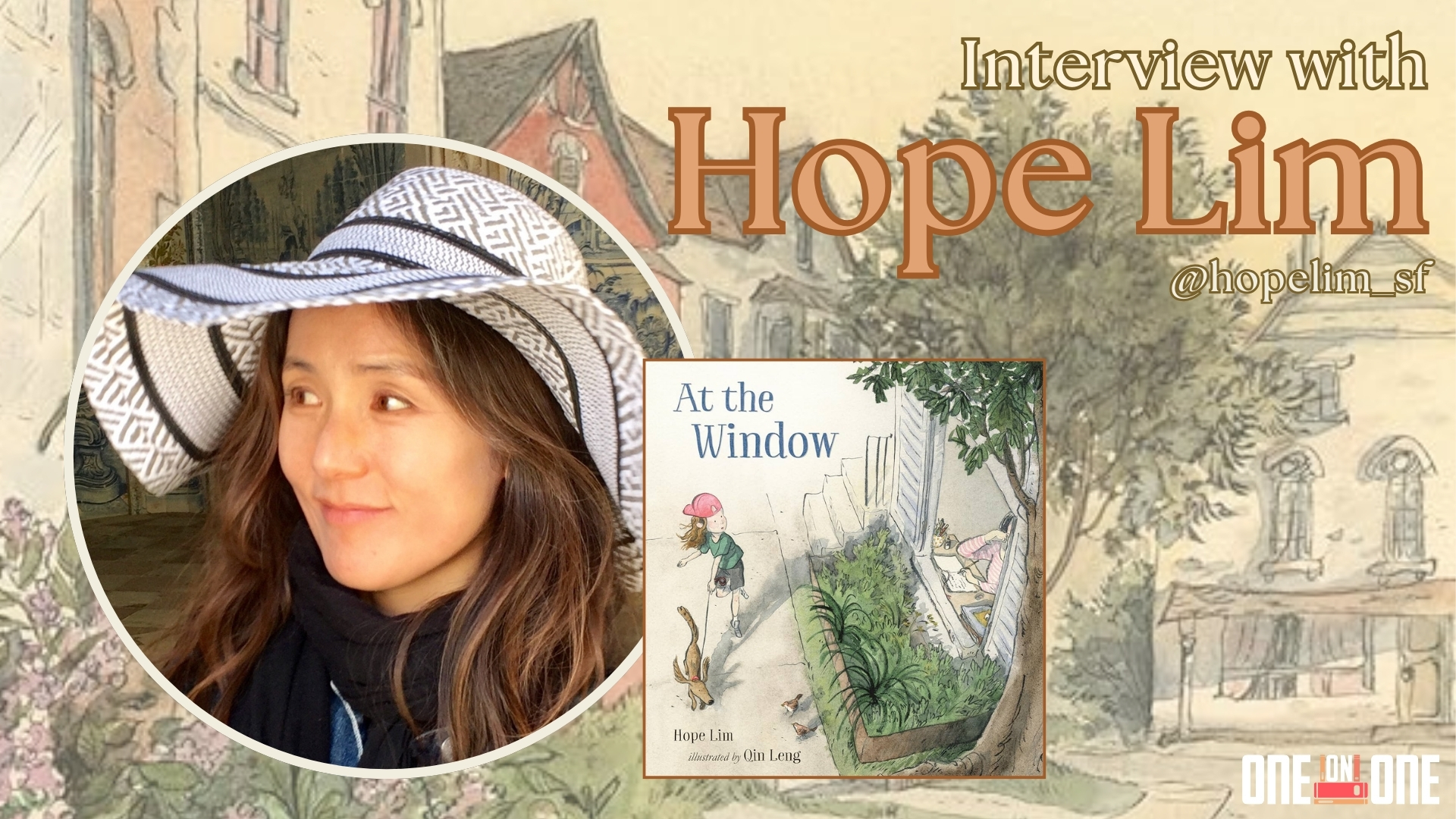
People often say that perspective is everything; the experiences and identities that make up who we are can, and do, shape the way we view the world. Likewise, we can never truly understand another person’s point of view unless we can see the world with the same eyes. However, we can often find moments in which to connect, across barriers and differences, and perhaps gain a little more perspective than we initially had. In Hope Lim’s new book At the Window, readers explore this concept via a friendship formed through a windowpane. We had the chance to sit down with Hope to talk human connection, AAPI representation, and the power of picture books.
About Hope Lim
Hope Lim is the author of At the Window, illustrated by Qin Leng, to be released on May 13, 2025, by Candlewick Press. At the Window was inspired by Hope’s curiosity to see the world from others’ eyes and her reflections on how a shift of perspective can lead to delightful and unexpected discoveries. Hope Lim’s other books include Sourgrass, illustrated by Shahrzad Maydani, Mommy’s Hometown, illustrated by Jaime Kim, My Tree, illustrated by Il Sung Na, and I Am a Bird, illustrated by Hyewon Yum. Hope was born and raised in South Korea and travels back and forth between Korea and the US regularly. She lives in San Francisco with her family.
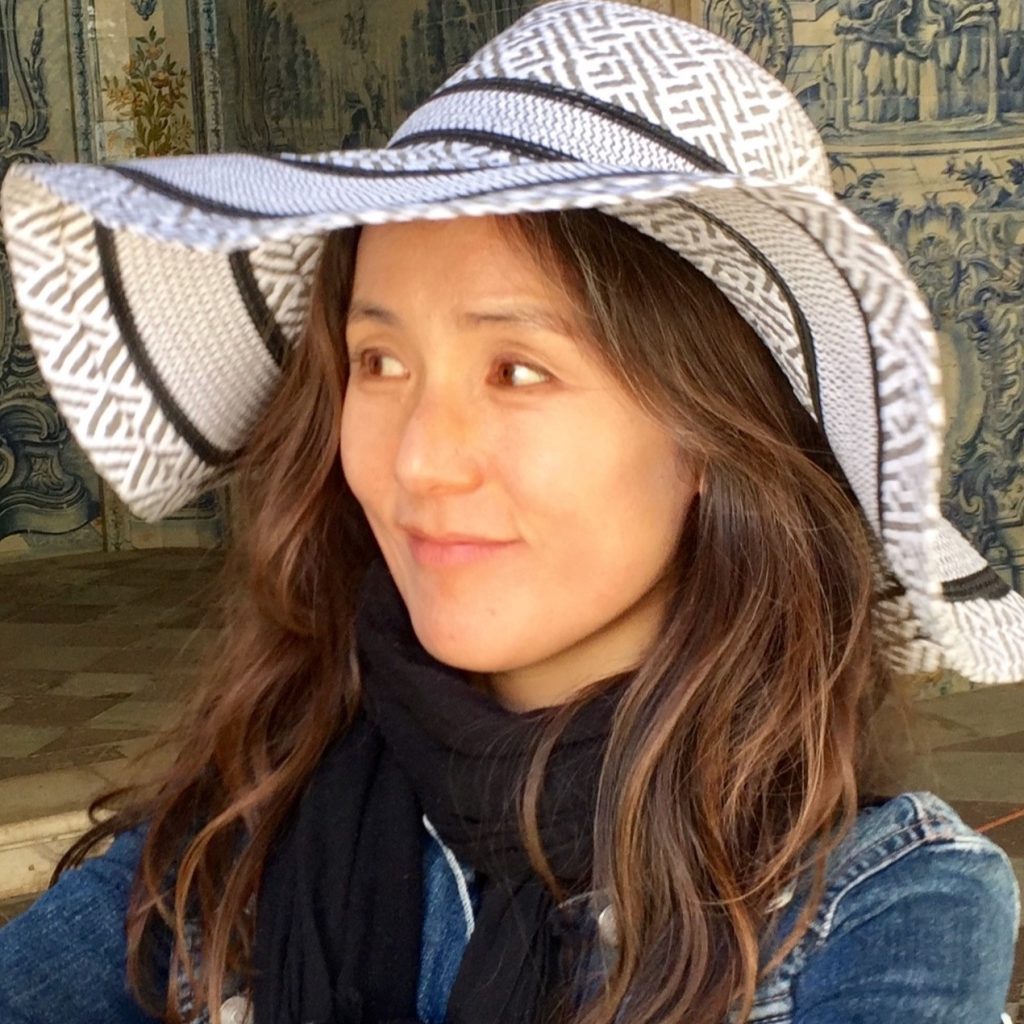
Thank you so much for speaking with us, Hope! Let’s get started.
For our readers, can you describe the narrator of At the Window and the unique relationship they form with a neighbor over the course of the book?
The narrator of At the Window is a child who passes by a house with big, wide windows when she takes her dog on a daily walk. She sees a woman at the window and wonders what she is doing and why her window has no curtains. There is a sense of respect in the way the child approaches the woman, for she waits until she feels comfortable to ask a direct question, “What are you doing?” This casual relationship between the two grows slowly to the point where they look forward to seeing each other during their daily routines.

A change comes abruptly, and the emotional impact on the child is shown in the empty, lonely window without the neighbor. Through this change, the child finds an answer to her very first question: why her windows have no curtains at all. After the child walks through the change and comes out of it, she gains a new perspective, both figuratively and literally. The relationship between the child and the neighbor is casual and delightful, yet has a profound impact on the child, as she is curious, open, and resilient.
Why do you think the concepts of perspective and human connection are such important topics for young readers to learn about and discuss, especially at their age?
We all have our windows, but we don’t know what others see from their windows. Even if we stand at the same window, we see different things depending on what we care about and value. Books are windows into different worlds and ideas. Through them, young readers can learn different perspectives and step into someone else’s mind, enhancing their understanding of others. Imagine if we all had the ability to see, understand, and accept others?

We wouldn’t have a world riddled with conflict and division with ever increasing polarization and the widespread pandemic of loneliness. When young readers learn to see the world from new or different perspectives, they will be better equipped to handle differences, feel more empathetic, and make genuine connections. Ultimately, we can reach a place where we make concessions and agree upon collective actions to tackle problems and make a better world for all of us.
What drew you to picture books as a medium of creation and connection?
I first discovered the power of picture books when I read picture books to my kids. I was drawn to the stories that seem simple on the surface but are infused with profound messages and truths about life. I also loved how the combination of art and words can change the ‘emotional temperatures’ of readers in a mere 32 pages. I started to write stories inspired by my kids’ imaginations and their unique ways of seeing the world, but the stories that put me on the path to be a published author came from my personal experiences.

For example, At the Window was inspired by my curiosity to see the world from others’ eyes or windows. We have entered a challenging time as technology and devices dominate our daily lives and minds. This reality made me examine my role as a picture book writer, and I hope to create stories that explore the truth and beauty in our lives and spark the joy of reading in kids.
As a Korean-American, what threads of Korean heritage weave through your work, from art and characters to the stories you tell?
I moved to America in my 20s and define myself as a first-generation immigrant. Having lived in both countries for about the same amount of time, I feel blessed to have two worlds in my life. As I age and reflect more on life, my sense of nostalgia and my memories have pre-occupied my mind and my stories. I think one of the blessings of being a picture book writer is the ability to plant a sense of hope in stories regardless of the challenges that prompt me to pick up a pen in the first place.
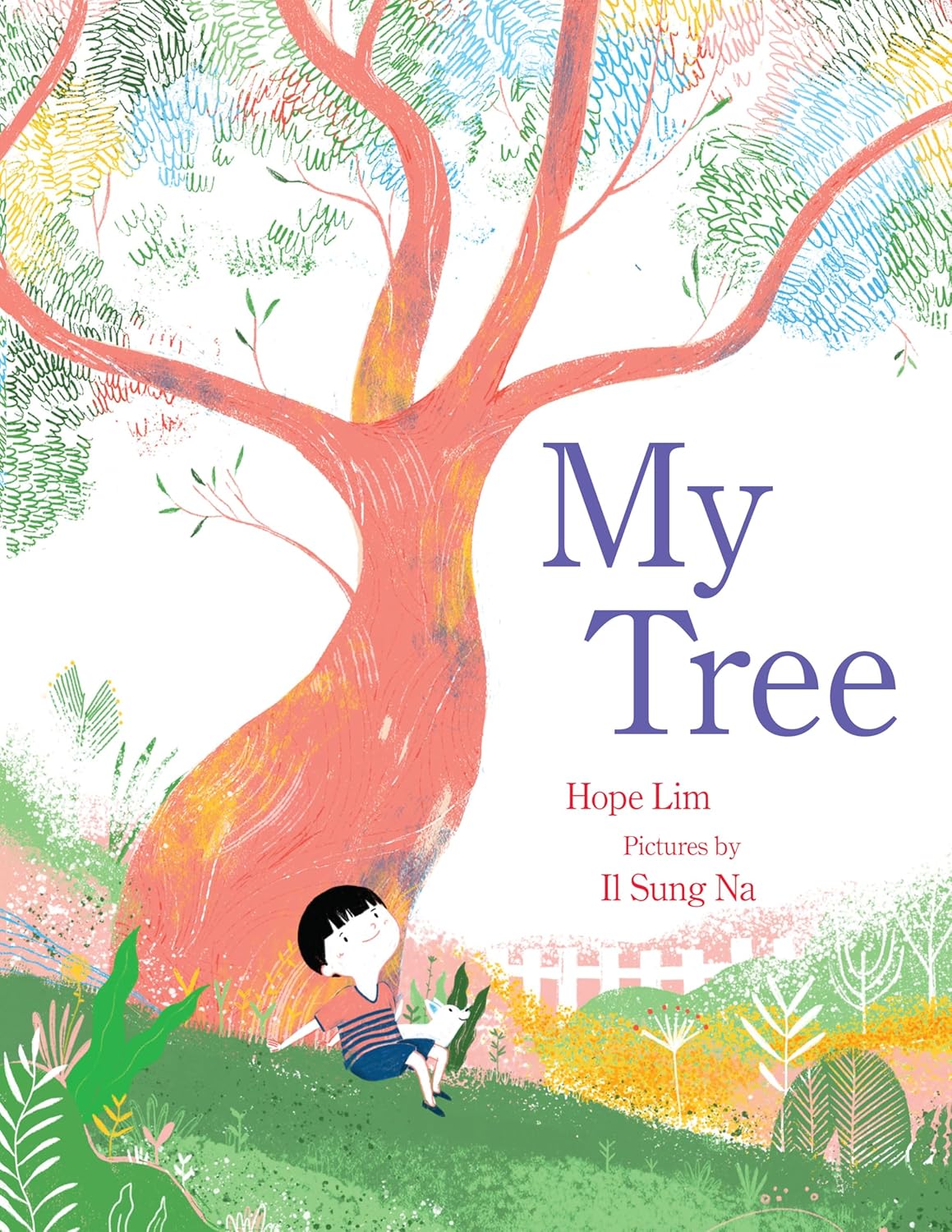
My two worlds, Korea and the US, nostalgia, and a sense of belonging weave through My Tree. Mommy’s Hometown is the culmination of my observations on the changes in my hometown since I left Korea. I Am a Bird was born in part out of my desire to see people soar above prejudice and bias. Sourgrass is about how shared memories can keep a friendship alive forever, as long as spring returns. At the Window is about the power of a change in perspective, inspired by my curiosity to see the world from others’ eyes.
This sense of curiosity took hold of me after I moved to the US and met so many people with different backgrounds. Starting anew as a Korean American immigrant with an upbringing rooted in Korea has informed my writing where connection, changes, memories, a shift of perspective, and hope are commonly explored.
As children’s publishing undergoes a noticeable shift toward diversifying both what and who it publishes, what do you see as the next crucial steps in fostering authentic and inclusive representation in storytelling? How can the industry deepen its commitment to diversity beyond surface-level changes?
A decade ago, I was looking for books on Korean folktales and myths at my local library. I enjoyed them greatly as a child in Korea and wanted to share them with my kids. I was disappointed that the books I found were mostly about Korean adoptees. I wondered if this topic was in most people’s minds when they thought of Korea and felt the need for books that show the diverse and rich cultural elements of Korea.

Since then, the landscape of the picture book world has changed so much, driven by many amazing works by Korean or Korean-American creators. Amid the welcoming surge of books on Korea, I also noticed a trend of overlapping topics, such as holidays, food, or language. While they are important books, I would also like to see stories about the universal experiences of childhood, featuring AAPI characters in everyday settings, so that kids see themselves in others. The discoverability of books is important to put them in the hands of readers, and I would also like to see a concerted effort in marketing and publicity to raise the visibility of books by AAPI creators.
What is your favorite reaction that a young fan has had to your work?
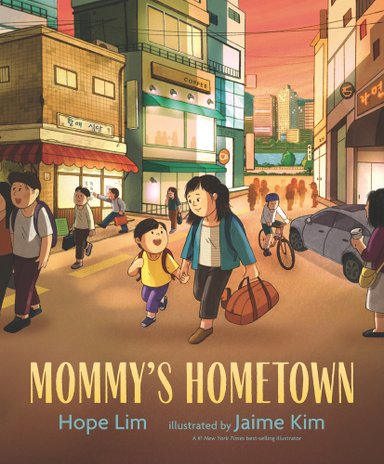
I would like to share one reaction that made my heart full while being humbled by the emotional connection my readers have with the book. I was told that a father was reading Mommy’s Hometown to his son, and he had to stop reading because he became very emotional as the story reminded him of his hometown and his family. I had a chance to meet the father and his son, who couldn’t believe he was sitting across the author of the book that moved his father to tears. It was a humbling experience to connect with them on such a personal level, and I was also so happy that the story I wrote about my hometown and the things that stay the same despite the passage of time resonated with the boy and his parents.
What is your favorite children’s book that isn’t yours, and why?
Amos & Boris by William Steig. We often encounter books that move us to tears, and Amos & Boris is one of them for me. Before I finished the last page, I was in tears touched by the beautiful relationship between two unlikely friends. They may not have met if Amos, a mouse, hadn’t ventured out to see a bigger world. I can very much relate to the way Amos ruminates on the world during his time out alone on the vast ocean.

The last line of this book — “They knew they might never meet again. They knew they would never forget each other.” — encapsulates the nature of their friendship while stirring up deep emotions inside me. I remember crying profusely after finishing this book recently, and I reread it to my kids who were much older than the first time I read it to them. The line strikes a truth about life, which I understood now as a series of meetings and good-byes. Some things leave lasting impressions, changing us forever, and Amos & Boris captures this precious slice of life in a perfect and profound way.
Finally, in honor of At the Window, what is the best view you’ve ever had from a window, and why?
Many spectacular views from different windows come to mind, but I would choose the view I had from my parents’ living room the last time I visited them. The window looks out onto the street where I used to play as a child. When I see young kids walking together after school, I wonder about what their childhoods and school lives are like these days. I can also see the sky change from early morning to sunset through this window. One evening, I saw the sky in beautiful colors and called my parents to join. Sharing this scene with my parents was very special because my appreciation of the view from their window has come with age and a better understanding of all that life offers.
A great big thank you to Hope for taking the time to talk to us about her books! Be sure to find her online at HopeLim.com, or on Instagram and Twitter/X! Lastly, don’t forget to pre-order At the Window, and add it to your family’s TBR list.
For a closer look at Hope’s book Sourgrass, check out our Three to Read, Jr. about Children’s Books That Celebrate the Magic of Friendship.
To see all of our recommendations for mini bookworms, check out our Bookshop bookshelf.