


















Even to many avid book lovers, the world of audiobook narration and its professional intricacies still remains a curious and fascinating mystery. Some of us become so enveloped by the atmosphere of stories that the narrators of their audiobooks merge into the natural voices of characters, and we then forget to acknowledge the amount of dedication and hard work vocal acting requires. In this installment of our 5×5 series, however, we decided it was time to give audiobook narrators the spotlight they’ve earned many times over, so we sat down with five talented voice actors to ask all our burning questions.
The Narrators
Angus King
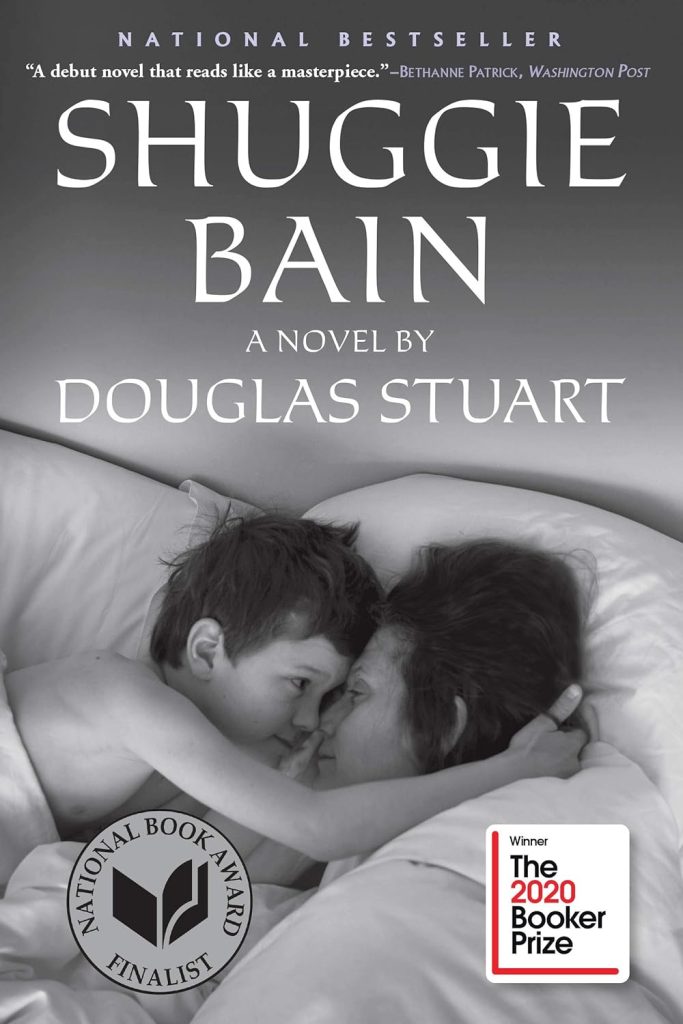
Angus King is an actor and narrator from Scotland who trained at The Bristol Old Vic Theatre School. He has recorded over 250 audiobooks and, after 15 years of working as an actor, recently returned to Edinburgh and now records from his home studio. King narrated Shuggie Bain by Douglas Stuart, which won the 2020 Booker Prize, and has recorded books in almost every genre for writers such as J.D. Kirk, J.M. Dalgliesh, and Stuart MacBride.
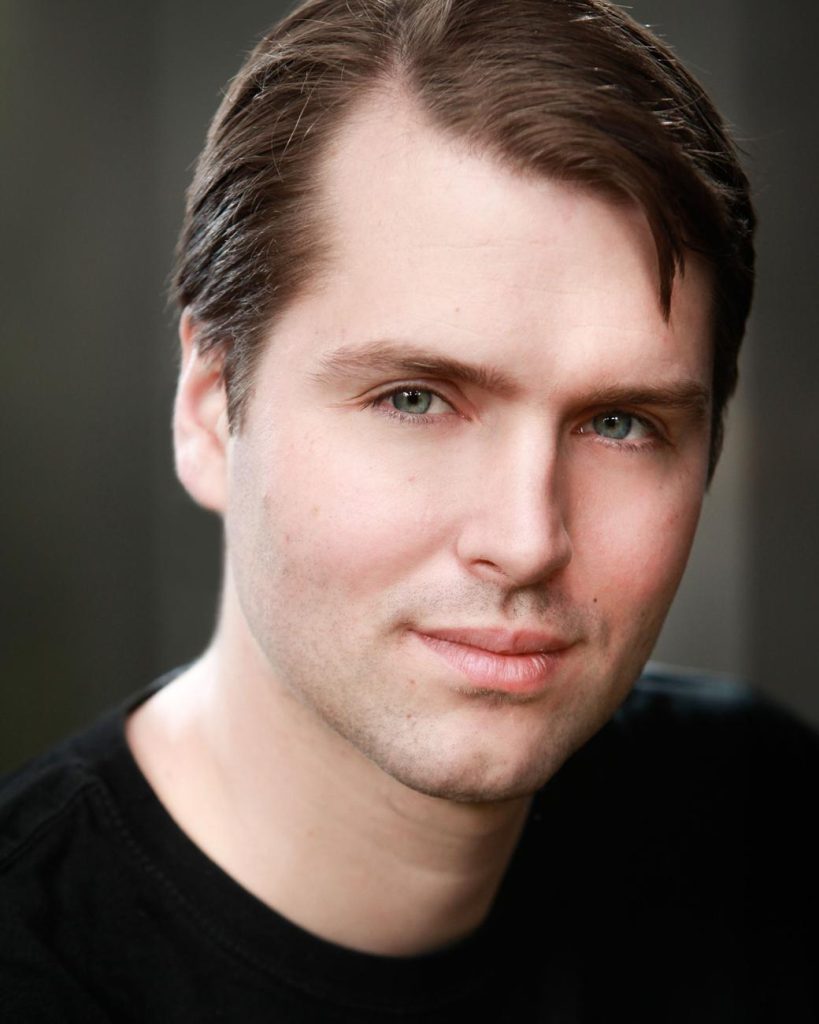
Daniel Henning
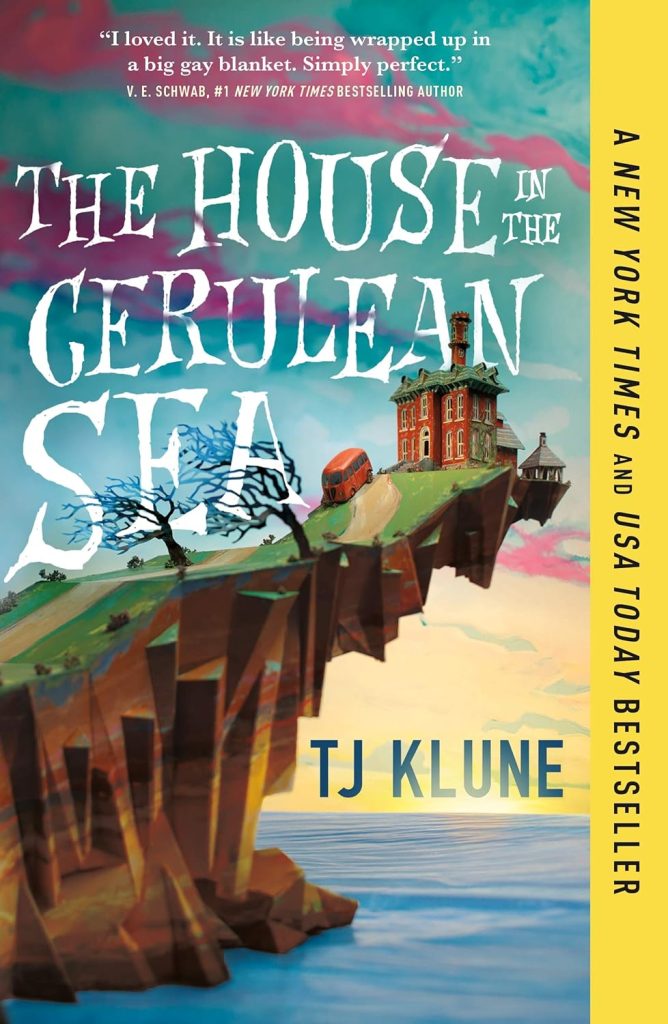
Daniel Henning is an Audie Award Finalist, 16x SOVA Voice Arts Award Nominee, and 6x Earphones Award Winner for his fiction and non-fiction narration, including the NY Times best-selling audiobook Somewhere Beyond the Sea, The House in the Cerulean Sea, and In the Lives of Puppets. He was recognized as “Best of 2023” by Audible, Apple Books, Google Play, AudioFile Magazine, and Overdrive’s ProBookNerds, and is the Founding Artistic Director of Hollywood’s The Blank Theatre, winning over 200 awards for his productions, including Best Production from LA Drama Critic Circle Awards, LA Weekly Awards, Ovation Awards, NAACP Theatre Awards, BackStage Garland Awards, Broadway World, etc.
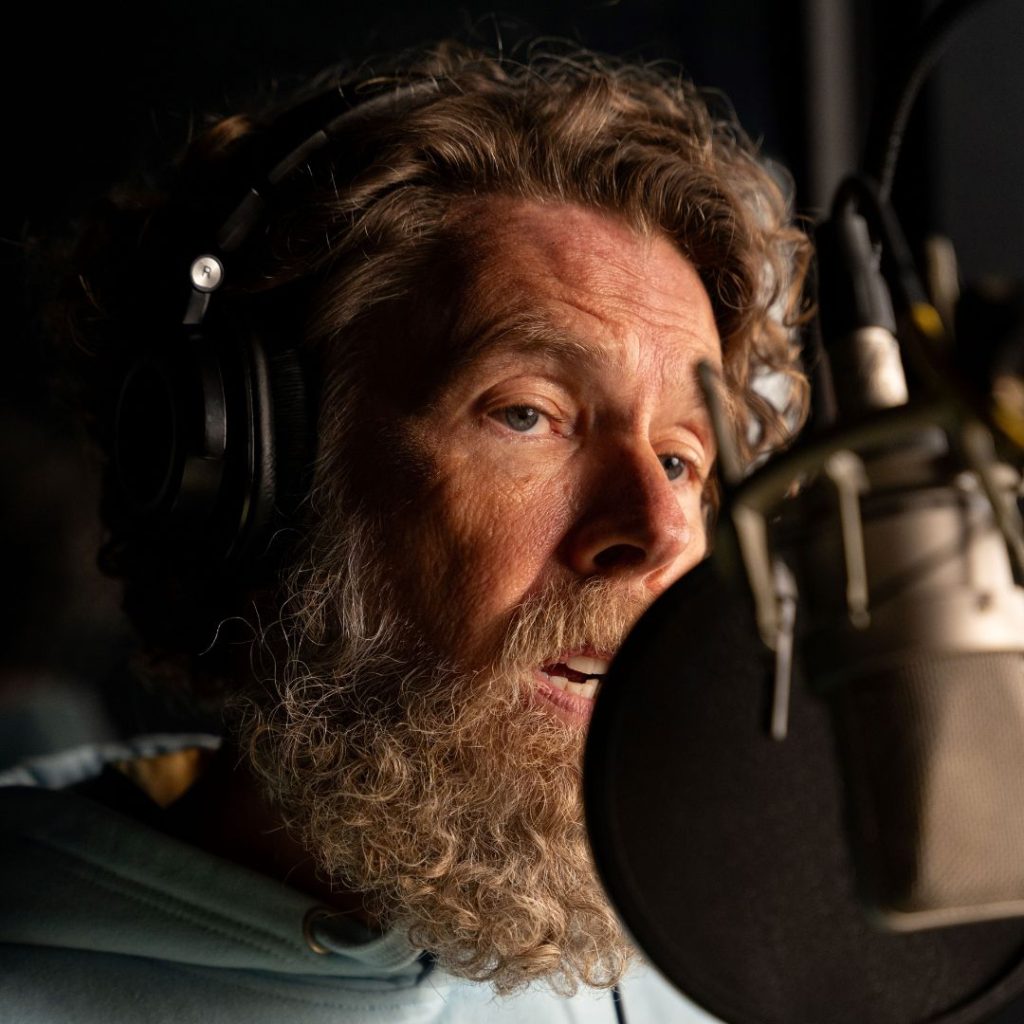
He was honored by the CA State Legislature as a Pride Honoree for his work in LGBTQ Equality and nurturing the future of the Arts. He won a Telly Award for Best Writer for the film version of his play, The Tragedy of JFK (as told by Wm. Shakespeare), published on Amazon. As director and writer, his TV and film work includes MTV’s Rob Dyrdek’s Fantasy Factory and the film Critic’s Choice. He won the NAACP Theatre Award for Best Director of a Musical for The Wild Party. He is a graduate of NYU’s Tisch School of the Arts, Circle in the Square Theatre School, and American Conservatory Theatre.
Julia Whelan
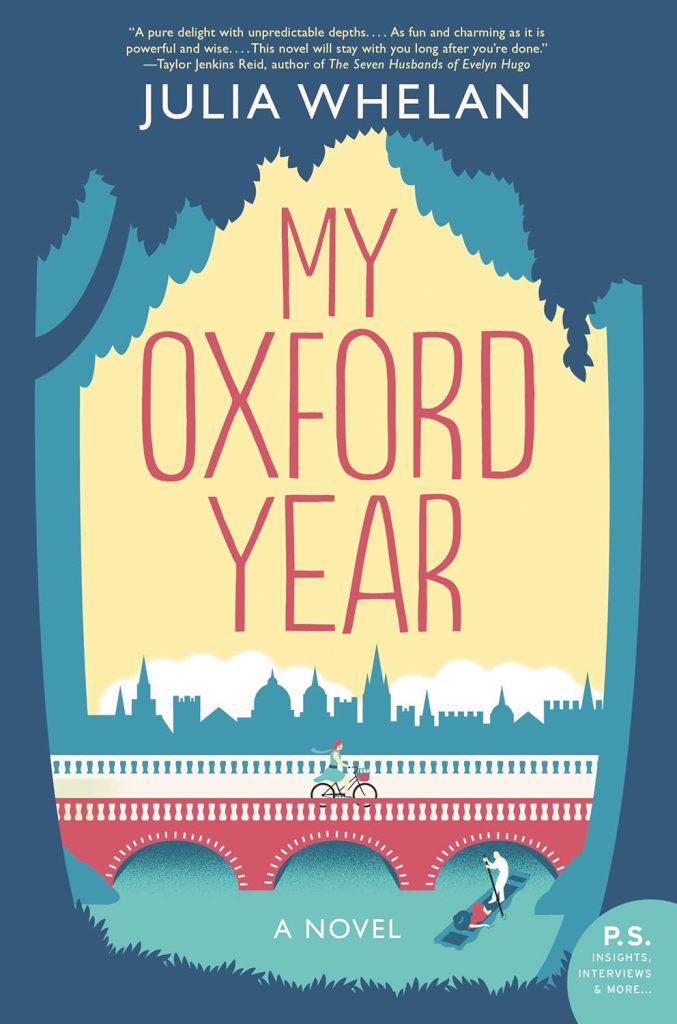
Dubbed “The Adele of Audiobooks” by The New Yorker, Julia Whelan is an author, screenwriter, lifelong actor, acclaimed audiobook narrator of over 600 titles, and, most recently, the recipient of the SOVAS lifetime achievement award. Her performance of her debut novel, the international bestseller My Oxford Year, garnered a Society of Voice Arts award. Her 2022 novel, Thank You For Listening, was a Best-of-the-Year pick at Amazon, Audible, and NPR, as well as a Goodreads Choice Award nominee and winner of the Golden Poppy. She is the founder of Audiobrary, a new audio publishing company and app, and her latest books — the 8-part romance audio series Casanova LLC and the annotated Victorian poetry anthology The Poetry Of My Oxford Year — have debuted exclusively on Audiobrary. She is also a Grammy-nominated audiobook director, a former writing tutor, a half-decent amateur baker, and a certified tea sommelier.
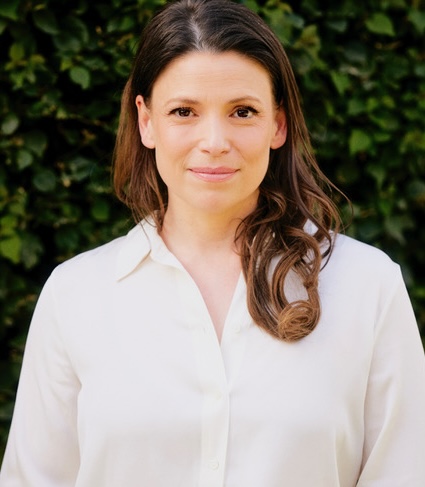
Luke Daniels
Luke Daniels is an award-winning audiobook narrator, producer, director, teacher, and author. He has a lifelong background in the theatre with a BA from Western Michigan University and an MFA in Performance from the University of Connecticut. A listener favorite for his authentic storytelling and dynamic characterizations, Daniels has narrated over a thousand titles. These works span a diverse set of genres and authors — everything from romance to LitRPG and Updike to Kerouac.

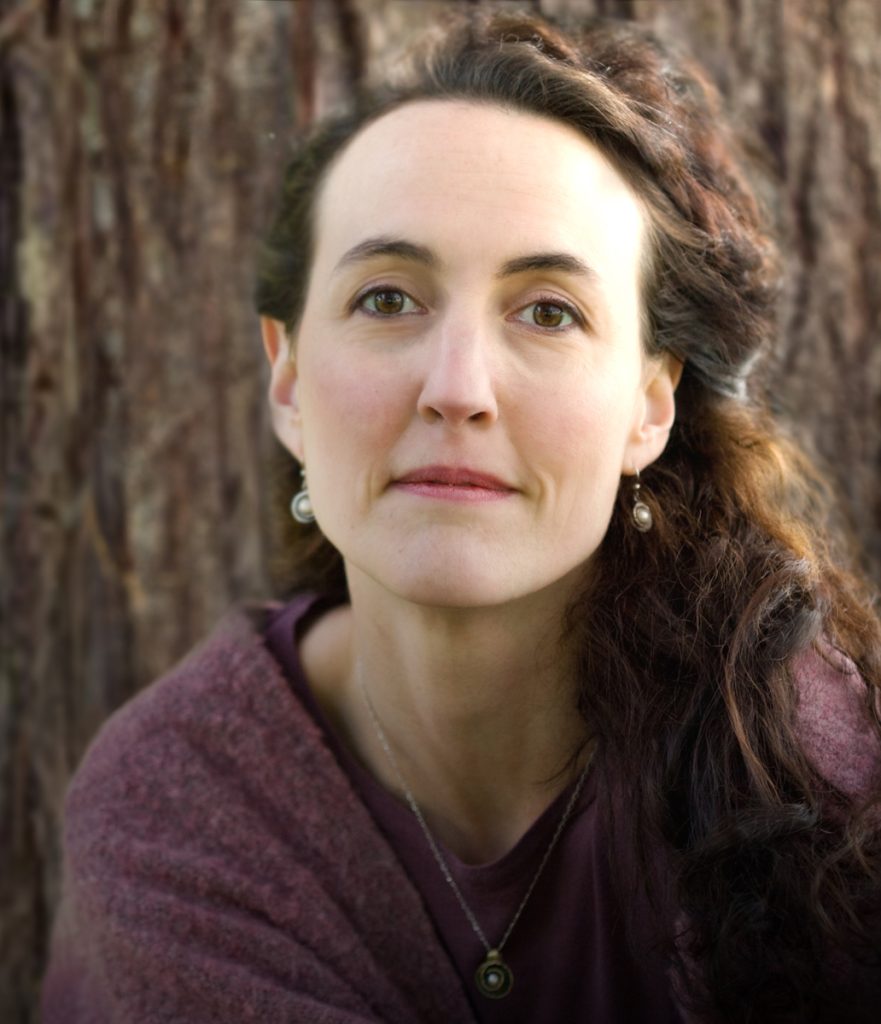
Xe Sands
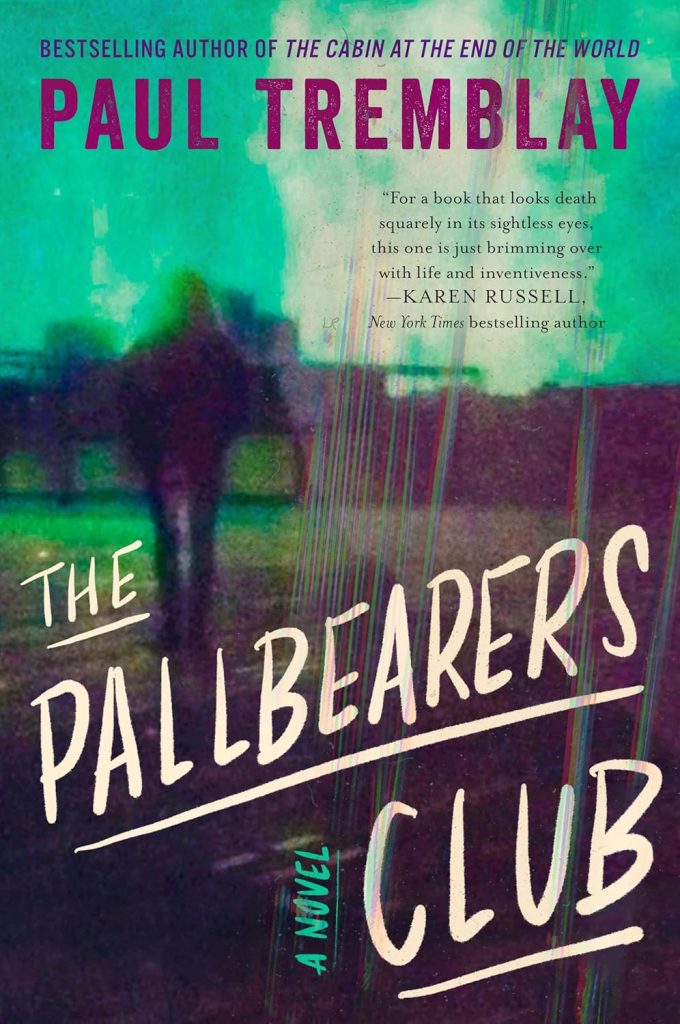
Xe Sands is an award-winning narrator based in the Pacific Northwest known for her authentic, engaging, and intimate delivery of over 500 audiobooks, specializing in first person, literary and epistolary fiction, psychological horror, memoirs, and captivating performances of romance. She has been recognized for her work by Salon, Publishers Weekly, Library Journal, Booklist, AudioFile Magazine, and Audible Editors for titles such as Murmur of Bees, The Pallbearers Club, Now That You Mention It, Lillian Boxfish Takes a Walk, Blood Water Paint, Just Like Home, Wayward, and I Came All This Way to Meet You.
The Questions
1. What is your creative process when bringing a certain book to life? How do you decide the best way to use your voice?
Angus King: It may sound like a strange way to approach it, but in my head, I imagine that the listener is driving their car nonstop, and I am their only company on that journey, so every time I step into the booth, that is who I am speaking to.
In terms of performance, I think of layers, and the first layer is simply to be understood. Ideally, the listener should hear and understand every part of every word, so your voice should be clear and stay at a nice pace.
The second layer is the characterization. My job is to narrate the dialogue so the listener understands who is speaking and when, so there need to be unique voices. So, can I find a hook that makes their voice different based on what I know about them? For example pitch, pace, nasal, husky, enthusiastic, bored, etc., which can be their starting point and then evolve with the story. Even though I am sitting down when recording, I move my body slightly and use my hands to gesticulate and almost direct myself since voice is an extension of movement, and small changes in physical posture can make big changes for the listener. So, for example, I may tense my body and sit further forward to come across as a more direct/aggressive character.
Third, I always think of what I want the listener to feel. Do I want them to be excited, scared, entertained, engaged, or amused? Sometimes, I then just go with the flow and see what happens, and naturally, I may slow down or speed up, spit my words out like a dart, whisper, etc. One thing that always helps is to use antithesis — if we are at a highly dramatic, exciting, and dangerous part of the story, sometimes it is more meaningful not to speed up and speak louder but actually to do the opposite and go softer and slower. That can be very engaging to listen to.
Daniel Henning: Honestly, the characters usually just come to me. For fiction work, I read the book at least once before I record it, sometimes more. Most of the time, the characters just show up in my throat. I am keenly aware of authors’ descriptions of characters and their mannerisms, so when I sit down to actually create the voices for those characters, I usually don’t have to think about it much because the authors have already told me what I need to know. And then I just zen out and let them “arrive” in my head and throat and my heart. I then will record a small sample to keep with me when I’m recording just in case I forget a voice.
Julia Whelan: I do a prep read of the book where I make a list of words I need pronunciations for and, more importantly, a roster of characters. I note any vocal traits the author gives those characters, as well as any biographical information. Once I know who the main characters are and which ones interact with each other most, then I’m able to start building their voices. It’s like a casting process. But, just as much as I’m trying to figure out who the characters are, I’m also getting a sense of the narrative voice of the book. What’s the tone? What is the author trying to convey with their prose? How can I help translate that to a listener?
Luke Daniels: I try to stay true to the author’s vision and intention for each character by utilizing the information they give me in the text. From there, I try to find practical yet distinctive vocal qualities so that the listener can differentiate who is speaking based on my vocal cues. Here, consistency is key, so I strive to keep a character’s voice the same throughout — whether that’s over the course of a single book or a several-year-long series.
I also try to create as much variety as I can with my character performances. To aid this, I develop a mental image of a given character and often see them speaking the dialogue. Generally, the faces of the mental projections are made up, but sometimes, I’ll use a real-life voice or a particular personality as a jumping-off point.
Xe Sands: Gonna take these in reverse order…Here’s what immediately jumped to mind: If I’m deciding, I’m failing. Let me try to unpack that a little…
I joke that I’m a “method narrator,” meaning that I live it as I read it — it’s real while I’m in it. My job as a narrator is to stay present, stay open and vulnerable and connected, and then get the heck out of the way and allow that connection to drive the performance instead of driving it directly. So, the conscious decisions are ideally limited to the practical, while the creative decisions remain with their creator — the author. The narrator is the conduit for the author’s intent — I will die on that hill!
Ok, so now to try and put some words around that nebulous, intuitive experience and talk process!
Initially, for me, it means facing the dreaded Blank Page Syndrome — or blank WAV form in my case — and just…freaking starting, getting into the booth, opening my mouth, and seeing what happens. It can be easy to feel paralyzed by perfectionism and fear of failure when I’ve got all the voices and the author’s whole world set so clearly in my mind, having just lived through it while reading it. It’s easy to get wrapped up in the fear of not being able to adequately recreate all of it.
But the truth is: I will — almost — never sound exactly like whatever I’ve heard in my head or what the author heard in their head. And that’s not the job. The job is to allow all the intent and characterization to come through, regardless of the physical limitations of my voice. This is a hard sell to my psyche at times, but still true.
So, if I get a bit stuck in whatever I’ve got playing in my head, sometimes I wander around the house, talking like a character (and confusing my dogs). Sometimes, I do an initial scratch recording loosely adhering to the text but focusing more on opening to the intent than on accuracy. And, often, I work with a mentor, asking them if characterizations ring true or if the delivery sounds contrived. It can be embarrassingly easy to fall in love with how you sound, which is just artistic death, honestly. And I definitely give myself permission to revisit the opening chapter recording after getting into a good groove with the delivery — when time permits, and I’m working solo.
2. What would you say to someone who thinks that listening to audiobooks is not “real reading”?
Angus King: So I half-agree and half-disagree with that. I receive messages from listeners who find reading books challenging, perhaps due to health or age-related issues, or people who are dyslexic or have ADHD and genuinely struggle with reading but find that an audiobook is a way for them to enjoy books, which is just great. Mainly, I hear from people who are just good old-fashioned busy people with jobs and kids, so having an audiobook while driving or doing the housework is the only window in their day. A surprising amount of people buy both the book and audiobook to consume together.
On the other hand, audiobooks are a different medium to books, and, as soon a narrator works on them, they are a different thing entirely with a different feel and different restrictions.
Daniel Henning: How do you think we told stories before Guttenberg invented the printing press? Orally and aurally, which we now call audiobooks. Plus, many people can’t “read” from a print version for many reasons, from blindness to dyslexia to ADHD, etc., and reading takes specific and entire focus, making it something you cannot do while you do other things. Audiobooks make your life richer. Listening to/reading a book while driving, for instance, makes the whole process of commuting nicer and more mentally stimulating. Listening is reading.
Also, I hope I’m giving a bit more to a book that I narrate. I hope I’m creating a complete world with living characters in your mind. TJ Klune, the author of my audiobooks The House in the Cerulean Sea and Somewhere Beyond the Sea, says the best way to experience these stories is through my audiobooks because of how I bring these stories to life.
Julia Whelan: I don’t understand this need some people seem to have to gatekeep other people’s experiences. Besides the fact that research has shown that, when you listen to a book, you retain just as much — if not more — of the story as someone who read it with their eyes, the bigger issue is: are these “not real reading” folks prepared to claim that someone with a visual impairment could therefore never read a book? If they’d read the braille version, would that be acceptable to these people? I’ve tried to understand the source of this argument and just can’t. Why would anyone even care?
Luke Daniels: I don’t think anyone really believes that anymore, but I would agree that reading a story and listening to one stretch different muscles and have their own particular appeal. We’re spoiled for choice, really. A lot of people enjoy reading and listening at the same time. You do you.
Xe Sands: I think I’d say…maybe we need to answer less from the traditional concept of reading and more from the actual act of experiencing.
The two arguments I hear most often are that parsing the words — working the brain yourself — is integral to “real reading” and that it has to be done solo — without a narrator filtering the author’s intent and influencing the experience. I’d counter that when listening, we are parsing words and discerning meaning, even if it’s by parsing cadence and emphasis, and not italics or parentheticals, or how text appears on the page, etc., and that the reader is already filtering the author’s intent as they read. It’s impossible not to. I think of listening as inviting a friend along for the journey. Heck, depending on my emotional state when reading solo, my impression of the book will change. Joy, depression, anxiety, peace — any state can be said to be a “filtering companion” of sorts.
I mean, obviously, it’s a different experience — eyes/hands vs. ears, solo vs. a joint adventure. But is the journey compromised, or just different? Are the author’s intent and world still intact and accessible? I’d argue that if we’re doing our job authentically, if we’re truly connected and present, narrators only augment and channel, just offering an expanded, combined imagination to journey in. The experience will be different, yes, but no less real or valid.
3. Are you an author or actor outside of your work as a narrator? What impact does that work have on your narration?
Angus King: So yes, I am an actor on top of being a narrator, so there is, of course, a huge crossover. I trained as a classical actor, so I learned using Elizabethan language like Shakespeare and his contemporaries, and what I hold on to is the phrase “taste the words.” The writer has written and rewritten every adjective, verb, simile, and metaphor, slept on it, sweated over it, edited and re-edited, and everything is there for a reason, so I should make something of it. I love action words and onomatopeias, and in my head, I am underlining them in my script and using them on a record.
Antony Sher wrote a brilliant book called Year of the King when he played Richard III at the Royal Shakespeare Company, and every time Shakespeare would use an image, e.g., a spider trapped in a jar in the text, Sher would re-create this in his study or puzzle over an image, and I love this idea. Everything is in the text for a reason. Use it.
Daniel Henning: I’ve been a theater professional my whole life — actor, but also director, producer, designer, choreographer, etc. I am the Founding Artistic Director of The Blank Theatre in Los Angeles, and my theatre work is present with me in the booth at every moment. I understand writing and where narratives go from my directing work. I understand characters because of my acting work. I understand the overall arc of a story because of my producing and development work with over a thousand writers. I strive to bring every little bit of me into the booth when I record.
Julia Whelan: I did on-camera acting for about 25 years. It was massively informative to my narration work — knowing how to develop a character, having emotional accessibility, familiarity with my own vocal range, etc. But I am also an author of three novels and have a creative writing degree, and I would posit that it is actually that experience that impacts my narration most. I’m attuned to the architecture of books in a way that actors aren’t required to be. I feel that I first approach a text in an almost academic way by deconstructing it, pulling out themes motifs and style. Then, I translate those observations through my performance choices.
Luke Daniels: I started out as a theatre rat growing up, then worked professionally as well. I have an MFA in performance. I’ve done some teaching, directing, and cartoon VO as well. I’ve written an Audible original memoir called Unspoken about the loss of my 21-month-old son. Narrating my own writing was a difficult but valuable experience. I try to learn something from every book I do. Diligently sticking to the text, as well as living a full and balanced life with real-world experiences, lend authenticity to a narrator’s work.
Xe Sands: On the acting front, I’m a one-trick pony — I do narration, and that’s it — poetry and artistic side projects included). But…
I am also a visual artist, which currently manifests through somewhat moody artistic photography, and this impacts my narration work significantly but indirectly. It refills that inner well of whatever it is that allows for that openness, that vulnerability that is necessary for me to sit down at a mic and act as that conduit. And, as I’m writing this, I realize that the creative process is similar — opening to the author’s intent and acting as a conduit for the expression of that intent is akin to opening to the “author” or the surrounding world, and expressing its intent with the image/art.
4. What book have you had the most fun narrating? Why was that project so exciting?
Angus King: So I was lucky enough to narrate Shuggie Bain by Douglas Stuart, which ended up winning the Booker Prize in 2020. It was only Scotland’s second Booker Prize-winning novel, so it was a huge deal here. A story of a family being torn apart by alcoholism in the 1980s urban-industrial decline is not what most people would describe as fun, but the joy of audiobooks is you get to play every character, and, of course, you learn to love them all and sympathize with them. While working on it, you find the funny bits extra funny and enjoy their small victories, and they do become heroes in their own world.
Daniel Henning: T.J. Klune’s Somewhere Beyond the Sea was the most free I’ve ever felt recording an audiobook. Narrators work mostly from home by ourselves, but I was lucky enough to go to New York to the Macmillan Studios and record it there with a terrific support team. I had nothing else to think about except telling that story. It was a joy for me to bring The House in the Cerulean Sea’s characters back to life and to add new ones for the sequel. This one is Arthur Parnassus’ journey, and I was able to truly let him fly — he is a phoenix, after all. His passion became my passion, and I let him take me wherever he wanted to go. I was surprised by how some of the narration came out, filled with that passion. I hadn’t planned any of that; it just arrived and swept me along with Arthur.
Julia Whelan: There have been so many — I’ve been very lucky. Gone Girl sticks out because playing psychopaths is fun. But Edoardo Ballerini and I got to perform Cormac McCarthy’s last novel, Stella Maris, together, and it was like doing theater. It was written entirely in dialogue: transcripts between a math prodigy who has institutionalized herself and the psychiatrist trying to understand her. Also, in that vein, I wrote my most recent book, Casanova LLC, as an audio series, and produced it as a duet narration for my new publishing company and app, Audiobrary. That was a creative gift — hearing my colleagues perform my words and collaborate on something so personal to me.
Luke Daniels: There’s been so many. It’s always hard to pick one because it feels like playing favorites, and working with authors like Scott Meyer, Kevin Hearne, and Richard Fox has brought me great joy. Anytime I get to do Standish from the sci-fi Ember War series, I’m smiling. Some of these characters I’ve been voicing for over a decade, so they’ve become like family. Oberon, the Irish wolfhound from Kevin Hearne’s Iron Druid series, has become my spirit animal, and Philip and Martin from Scott Meyer’s Wizard 2.0 series are often verbally sparring in the back of my mind.

Xe Sands: That’s such a hard thing to answer with just one! Let’s go with the most recent, which was voicing Mercy in The Pallbearers Club by Paul Tremblay — incredibly fun, both because she is such a complex character and because of the compelling way Tremblay structured the novel, which worked perfectly in audio. The basic structural premise is a “found memoir,” with Mercy making edits to the text as she reads through it as well as offering critique and commentary at the end of each chapter to the author, all set within a thriller/horror/suspense mash-up. Absolutely amazing. Plus, Mercy is a dark, hilarious, contrarian anti-hero badass — my favorite type of character to voice. She still lives in my head…
5. What tips and tricks do you want to pass along to someone considering a career in audiobook narration? Are there any misconceptions about the field?
Angus King: Read out loud. Every day. Most people can sound great for 10-30 minutes, but the real challenge is — can you still sound as bright just after lunch and then get up the next day and go again? Read all sorts of genres. I love working on historical romance books and really getting into the characters and story, even though I wouldn’t typically read them myself. And, of course, record yourself and listen back. Try to develop that critical ear for what sounds good. Listen to the masters. We learn from the best — and borrow their good ideas.
As for misconceptions, I couldn’t possibly comment. I am developing (slowly) a small show for the Edinburgh Festival loosely titled Confessions of an Audiobook Narrator, which will hopefully answer this, so you will just have to come and see the show to get me to answer.
Daniel Henning: It’s a long game. You won’t get rich quickly. You won’t really get rich at all, but you might be able to tell remarkable stories with characters that stay in your heart. And, if you’re very lucky, they will stay in the readers’ hearts as well. I am truly blessed by my fans. They are amazing humans, and I am so glad to be able to give them some joy in their lives. If you think you want to narrate audiobooks, start by grabbing a book — not your favorite, but some book you don’t even like — and sit in a closet reading it out loud for two hours straight. If you can make it to the end of two hours without going stir-crazy, you might be able to narrate audiobooks!
Julia Whelan: The job is not just about having a nice voice. The more you focus on sounding “nice,” the less real you will sound, and as this industry allows in more AI/synthetic voice, you will have nothing that differentiates you from that. Focus on building your storytelling skills and prioritize being authentically you. The closest parallel is that we all have favorite actors, right? I can almost guarantee you that your favorite actor is not just a pretty face. You like them because, every time they’re on screen, they make you feel something.
Luke Daniels: Tell the story like there is someone in the room listening to you. Picture someone real and specific in your life. Read the words, don’t emote them. Surprise yourself. Be curious. Close your eyes and listen to the world around you. Auditioning is hard, and listening back to yourself is hard, but you have to do those things a whole heck of a lot if you want to get better. Always want to get better. You’ll never “figure it out.” Slow down and enjoy the process.
Xe Sands: Be yourself. Don’t strive to be anyone other than your authentic self, doing your thing your way. When I was first trying to figure out how to do this crazy thing, I remember mentioning to my coach — the amazing Carrington MacDuffie — that I wanted to be a version of this particular incredibly popular and talented narrator. Carrington’s response was: don’t be her — you can’t be her. Be you, because you can only be you. Her point was that authenticity was the key, and I’ve found that, regardless of whatever other struggles I’ve had, when I can bring it back to the basics of just being authentically me, the rest follows. This applies both how we do the art and how we move through the world.
Sometimes, that’s incredibly hard to do because, in our line of work, people are going to feel entitled to comment on how you do what you do. Most of them will be positive but, well, not all. And it’s so much easier to be unduly swayed by that minority of haters than to be heartened by the majority who really get you and appreciate what you bring to the work. This can be especially true for those of us struggling with imposter syndrome, perfectionism, or a myriad of other toxic inner critics. The haters poke at that tender spot of self-doubt, and you can get caught up trying to cater to their vision — which is damaging to both you and your work. So don’t let them, or anyone else. tell you who you are. You get to tell your story. You get to decide who you are.
It may take a while to find where you fit, but despite the agony of that process, I firmly believe that being authentic to your artistic self is beyond worth it: it’s also essential for your long-term well-being. And for any who haven’t yet stumbled upon it, the bit from This American Life’s Ira Glass on being a beginner and the artistic process saved me when I first heard it years and years ago.
As for misconceptions about the field, yes — that you’ll make buckets of money. Possible to make a living? Yes, absolutely. But it’s hard work to create a career out of nothing but raw talent and determination, and as with all creative endeavors, it comes with no guarantees or easy paths to success. Be both gentle with yourself and realistic with your expectations, and honest with yourself about why you want to do it. Get into it because you love it and because you believe in what you have to contribute.
Bonus Questions
6. Are there any genres you would like to narrate that you haven’t had the chance to yet? What are they?
Angus King: Fantasy, definitely. I swear, escapism to another world is more appealing with every year that passes. And, clearly, the audience is massive and loyal.
So, if you want someone to voice an unlikely Scottish villager going on a dangerous quest to find a magical staff while battling some Eastern European Barbarians and evil English lords, then I am your man.
Daniel Henning: I’ve been super lucky that I am given books from many different genres across the fiction and non-fiction spectrum. By way of example, I am thrilled to have just been nominated for eight SOVAS (Society of Voice Arts) Awards in eight different audiobook genre categories. I set out to make sure I was telling LGBTQ+ stories, but also most other genres as well. So far, it’s worked.
Julia Whelan: No, I’m pretty sure I’ve done everything. Well, everything that I would want to do. I would like to do more duets, though, mostly because there’s a part of me that misses acting with other people.
Luke Daniels: I’ve been really lucky to narrate many different genres. I haven’t done as much audio theatre or multi-cast projects, though, and those can offer more of a collaborative spirit that I sometimes miss as a solo narrator.
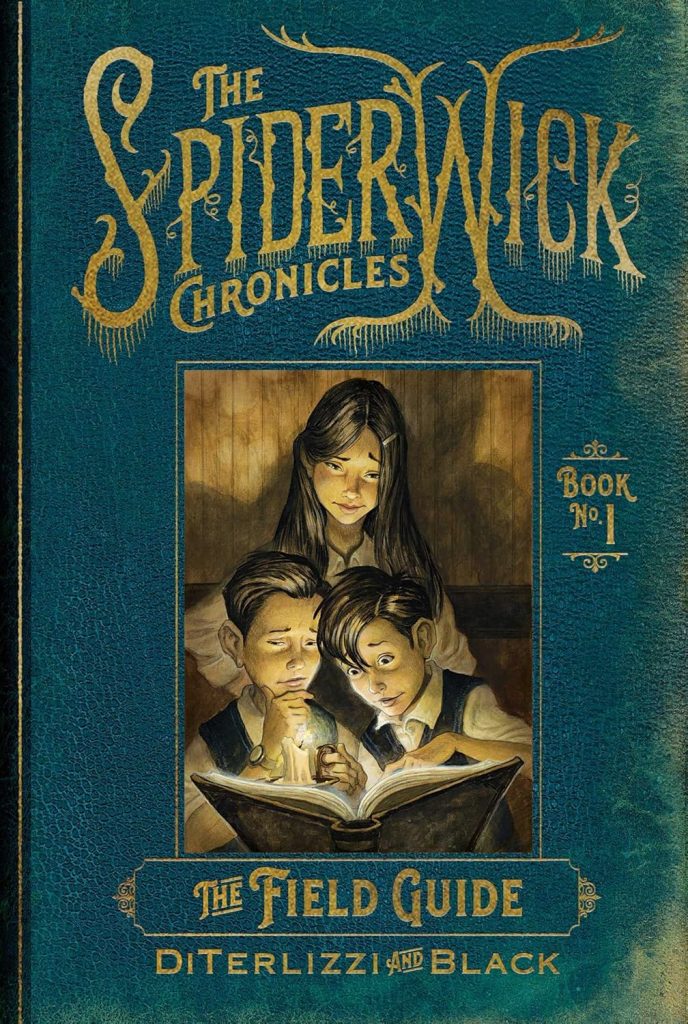
Xe Sands: Yes! I would absolutely love to narrate the spookier or fantastical side of middle-grade fiction — think The Spiderwick Chronicles. I even have a pseudonym all ready to go: Adelaide Blackwood, fashioned in the vein of the mysterious, formidable elderly neighborhood storyteller spinning tales for the neighborhood children in the parlor of her spooky house up on the hill.
This might be hard to believe for listeners who’ve heard me do romance heroes, disconcerting horror, first-person antagonists, and hilarious rom-com heroines all these years, but I actually got into professional narration with the intent of narrating middle-grade and YA after years of reading my daughter awake in the mornings and to sleep at night. That’s how I realized just how much I loved doing it, despite never thinking I had a voice anyone would ever want to listen to! Seriously — my Dad loved me to pieces, but the first time he heard something I’d narrated, he flat-out didn’t believe it was me!
7. Who is your favorite audiobook narrator, besides yourself? What makes them special?
Angus King: Stephen Fry. He is not that well-known in the U.S., but is an institution in the UK and has been on our screens for more than 40 years. He has recorded over 200 audiobooks and is best known as being the UK narrator of the Harry Potter series, and my children (7 and 10) have listened to each story several times on every car journey and every bedtime. He is marvelous, and skillfully ages the kids’ voices through the series as they age. He delivers the jokes and creates that world with such aplomb that I think I will end up listening it to with my grandchildren!
Daniel Henning: Jim Dale. His narration makes you believe there are more actors than just him narrating his books. Plus, he’s full of joy, and I hope these things can be said about me as well.
Julia Whelan: I’m honestly not trying to dodge the question, but I can’t answer this because the people who are really good at this are all good for very different reasons, which makes comparison impossible for me. I will say that I miss Katherine Kellgren’s narration every day, though.
Luke Daniels: Ray Porter. He’s a stand-up guy, and his voice has an ineffable quality that is unique yet familiar. I love listening to him. He’s the narrating equivalent of Coca-Cola in the audiobook industry.
Xe Sands: Oh, that’s an easy one — MacLeod Andrews. Incredibly versatile and compelling, with an outstanding level of authenticity and very natural delivery. I’ve read several books that would never have been on my radar if not for his compelling storytelling, including The Antagonist by Lynn Coady and Where All Light Tends to Go by David Joy. I’ve even found myself on several occasions thinking, “Why the heck did they hire me — I wanna hear Andrews read this!” But I’ll be keeping those titles to myself…
Thank you to Angus King, Daniel Henning, Julia Whelan, Luke Daniels, and Xe Sands for providing their insight and responding to our curious queries about the audiobook narration industry. Make sure to follow their websites and social media accounts to keep up with their work!
Find Angus King on his website.
Find Daniel Henning on his website.
Find Julia Whelan on her website.
Find Luke Daniels on his website.
Find Xe Sands on her website.
If you’re an audiobook lover, take a look at 5 Awesome Audiobook Apps For Your Listening Pleasure.
For more fantastic interviews, check out Bookstr’s 5×5 page!
