







Black magic, black power, hair love. . .these are all parts of black culture that we celebrate for Black History Month. Black culture and love has served as a counter-cultural act to racism, oppression, and hatred for centuries. We have had black activists, world-changers, and authors who have been a part of this movement to embrace their culture and showcase it across the world. That makes it our mission to come to you with 25 book recommendations that celebrate the mosaic of black culture.
TW: The mention of mental health, slavery, racism, and oppression may be triggering for some readers. Please exercise personal care when reading, and read the TWs in the recommended books.
The Sisterhood: How A Network of Black Women Writers Changed American Culture by Courtney Thorsson
The Sisterhood brings together feminists and liberation leaders Toni Morrison, Alice Walker, Ntozake Shange, Audre Lorde, and many other women to discuss their writing. Gumbo and champagne were a staple of these gatherings, and the women talked about how their work was making an impact on American culture as a whole.

Feminism and liberation have gone hand-in-hand for the change that has proactively been made. In black culture, there is a sisterhood and brotherhood created between black people. As we find in The Sisterhood, this part of black culture has revolutionized into a meaning of its own.
Philip Payton: The Father of Black Harlem by Kevin McGruder
Philip Payton struggled with turning a predominantly-white Harlem into the cultural hub it became from the 1920s to the 1940s. He founded the Afro-American Realty Company in 1903, hoping to get rid of housing discrimination and open the market to black homeowners. Harlem eventually transformed and brought along fantastic black artists, musicians, and authors.
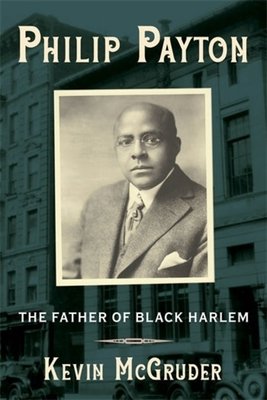
When we think of Harlem, what comes to mind? The Renaissance, the jazz and blues, and even James Baldwin come to the surface. However, it took a lot of work for Harlem to become a center for cultural art, music, and black love to seep through.
Antagonistic Cooperation: Jazz, Collage, Fiction, and The Shaping of African American Culture by Robert G. O’Meally
In Antagonistic Cooperation, black art and aesthetics are explored in their more critical meaning that they provide to teach lessons. How do brush strokes or different uses of color palettes convey a message to the American people? There were many lies and promises broken, so black artists are setting the record straight.
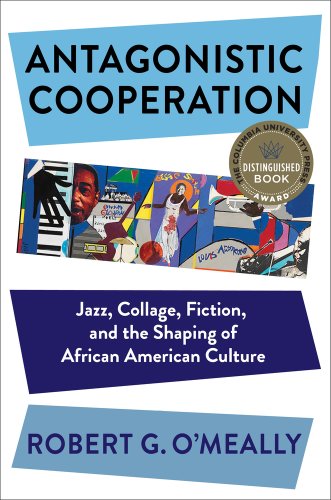
African-American culture is much more than aesthetics, music, and art — it is a cultural revolution. Many of the inventions and systems created during times of segregation were by black people who were not credited for their work.
Black Child, Hold Your Head High: Empowering Book For Black Children That Celebrates A Rich Culture and History by Jasmine Walker
Black Child, Hold Your Head High features black historical figures and talks about appreciating and loving black culture. This picture book teaches black children to look at the images of beauty and success before they see themselves. This creates a sense of security for black children everywhere, and we are so delighted to add this recommendation to our list.
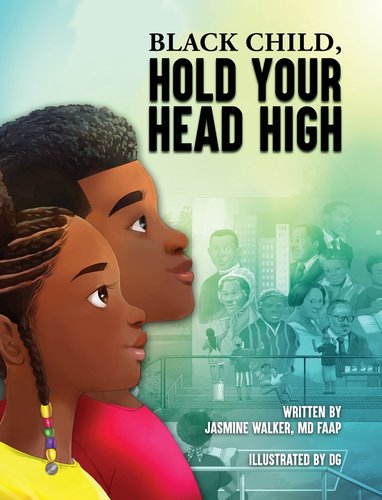
What do black children see when they look into a mirror? Our hope is that they see beauty and power in their face. Too many times in the past, and even now, there are black children that wonder why the world doesn’t understand them, their history, or their culture.
Saturday Morning At The Shop by Kennan Jones and Illustrated by Ken Daley
Saturday Morning At The Shop revolves around a young boy who is excited to go to the barber after his mom went to work. The young boy realizes that the barber shop encompasses so many things, and takes on many different identities. In every way, the shop allows him to breathe and better understand his own identity and come to love it.
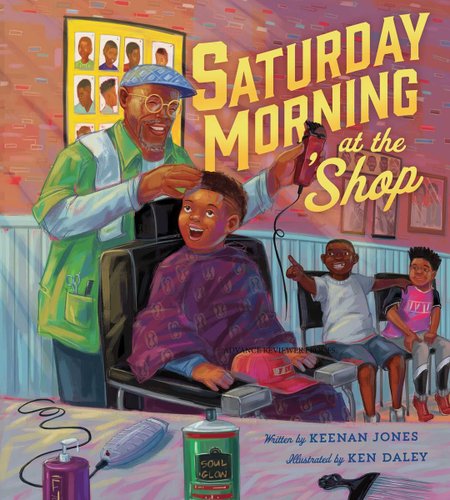
When black people go to the salon or barber, it is a beautiful, communal experience. There are so many intricacies to different styles for black hair, and culturally, it allows black people to share their experiences in their daily lives that they can’t always do regularly. Many hairstyles are historic, and they provide a deeper meaning than just styling your hair.
Black Culture Traditions: Visible and Invisible by Dr. Imelda Hunt
Written for college students, Black Culture Traditions focuses on breaking down the foundation of black culture and to educate yourself regularly. This includes finding relevant sources and getting rid of stereotypes and misunderstandings about black culture.
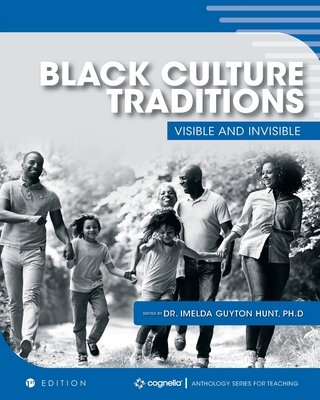
Hip-hop, hairstyles, and AAVE are part of black culture. Over time, it has been stolen from them, and used for cultural appropriation and performance. Traditions such as dance and AAVE have been seen the most in TikTok and social media influencers today. How can black people reclaim these visible traditions? Dr. Imelda Hunt shows them how.
Black: A Celebration of A Culture by Deborah Willis
Black: A Celebration of A Culture explains how Deborah Willis retreated into the Smithsonian archives for a comprehensive look into black culture and all the parts of it. It talks about overcoming obstacles and also the feel of nights and mornings in a black household, raising children, art, family, and religion.
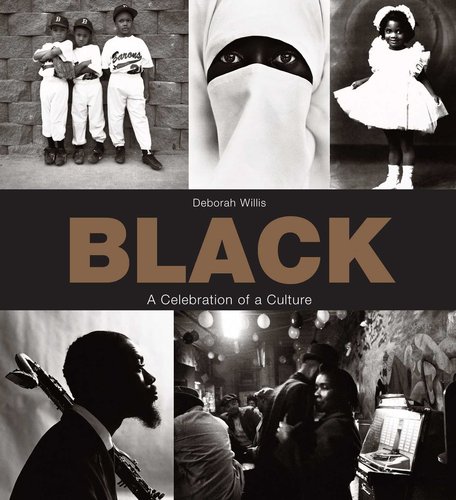
There are so many parts of humanity written in black culture that are constantly at risk to be tucked away. Black culture is soulful, and is very expressive in both art and life. By understanding the soul and art in black culture, we get closer to appreciating the black magic present in every day life.
The Birth of African-American Culture: An Anthropological Perspective by Sidney W. Mintz
The Birth of African-American Culture takes a look at how black culture was widespread during the Antebellum period, one of the worst times of human history. During this time, black people, who were slaves during this period, created spirituals and developed the sisterhood and brotherhood. This book looks at how heaven was cultivated by black people in a hellscape.
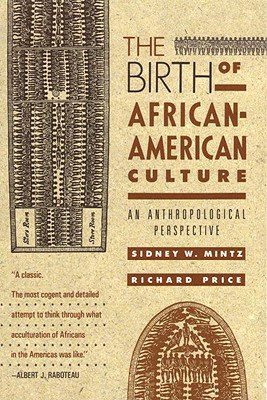
Out of the African diaspora and slavery came the greatest cultural revolution in history: African-American culture. We have heard of authors and activists commenting on this phenomenon, and it is studied through the 1619 Project and critical-race theory.
Creating Black Americans: African-American History and Its Meanings, 1619 by Nell Irvin Painter
Creating Black Americans features several black artists who contributed their artwork to the book. Nell covers how Africans were not only sent to America during the Transatlantic Slave Trade, but also to Brazil and the Caribbean. After the Civil Rights Movement, black people built schools and businesses. However, there is still much more work to be done.
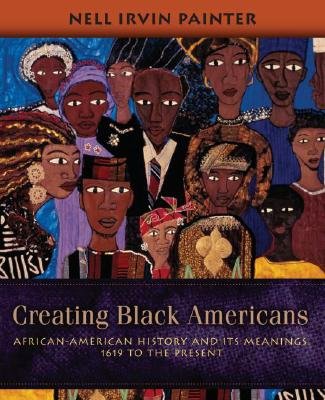
Slave narratives and memoirs have been told for centuries from black writers, and they continue to hold today. This includes the impact that black art has had over the historical landscape.
The Sovereignty of Quiet: Beyond Resistance In Black Culture by Kevin Quashie
The Sovereignty of Quiet spills the beauty of the black mind. At the center of this is a need to be understood and welcomed in all spaces. This also means being resilient against negative forces such as when black people take leadership positions and there is backlash. Ambitions run high in black culture — and as we know — there are people who try to shut them down. However, black people refuse to back down, and they work even harder to achieve success.
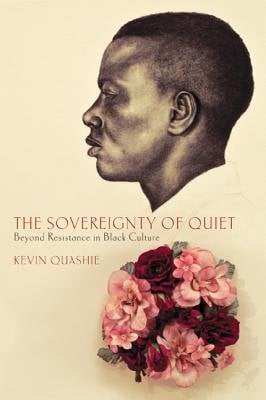
More often than not in American culture, black people are still perceived by their outer appearance and feelings. However, the internal system that black people have is interwoven in black culture. They way that they protect their family without words, their capabilities, and their success is immeasurable.
Black Noise: Rap Music and Black Culture In Contemporary America by Tricia Rose
Tricia Rose first looks at where it all started: The New York City rap scene. Due to oral-storytelling being a large part of black culture, this makes its way into hip-hop and rap, along with current audio technology. The music also gets into political events, police brutality, and systems that have been oppressive to black people.

Rap and hip-hop music both stirred a controversial reaction when both music genres came to the scene. However, after understanding rhythmic sequences, lyrics, and themes in these genres, a different opinion shifted the one many had before. Much of this music expresses overcoming difficult situations and becoming successful, or celebrating the present.
111 Places In Black Culture In Washington, DC That You Must Not Miss by Lauri Williamson with Photographs by David Wardrick
There are several places in Washington, D.C. that are historically beautiful in every sense of the word. In full color photographs, the first black millionaire, official dance, and escape from slavery were recorded in Washington, DC. 111 Places In Black Culture also focuses on black-owned businesses and institutions that were built!
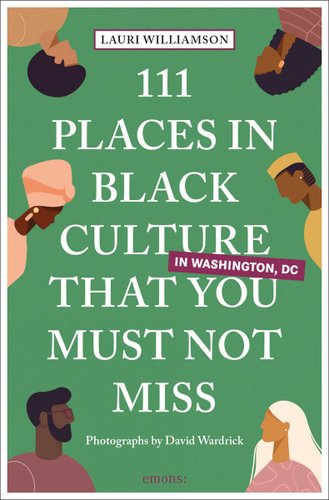
Washington, DC is a place with many historical sites as well as historical people. Black people have made their impact at several locations in Washington, DC, including success stories and stories of oppression against them.
Afro-Nostalgia: Feeling Good In Contemporary Black Culture Volume 1 by Badia Ahad-Legardy
Nostalgia is a positive emotion, and so Badia Ahad-Legardy looks into work by black artists and authors and finds the positive side that black culture provides. She realizes through this work that the positivity shown through black art and culture is black romanticism, and works to provide cheerful feelings to the artist.
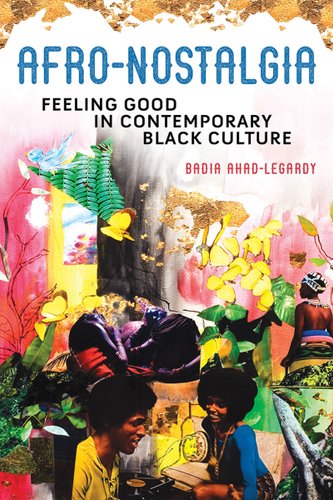
Sometimes, it’s hard for people to think that black people could feel any kind of nostalgia with having a generational, traumatic history. However, they are more than their history. They are nostalgic about the beautiful culture that has appeared out of the African diaspora, during slavery, and after the Civil Rights Movement. In Afro-Nostalgia, Badia Ahad-Legardy peers into this lens.
Black Culture and The New Deal: The Quest For Civil Rights In The Roosevelt Era by Lauren Rebecca Sklaroff
During the 1930s, the South was still very aggravated by the Civil War and held very racist beliefs toward black Americans. The black people with status, such as celebrities, enjoyed resources like the Federal Arts Projects, employment opportunities, and political expression. However, lower-class black people did not enjoy these freedoms. This kind of classism still stands today.
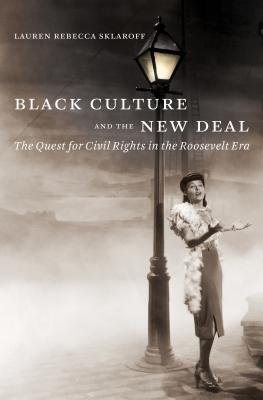
The New Deal focused on providing Americans federal government assistance to overcome The Great Depression. However, this assistance didn’t extend to black Americans. Instead, the Roosevelt administration focused on providing assistance to black people with status.
Between God and Gangsta Rap: Bearing Witness To Black Culture by Michael Eric Dyson
Michael Dyson grew up in Detroit, Michigan, and knows what the urban black experience is like. Dyson looks at the lessons of racial identity in music, religion, black influence, and change. He looks at how black spirit is interwoven in music, and how black expression has changed the groundwork for future black cultural revolutions. Dyson spends time connecting with black urban youth to keep learning about how black culture generationally evolves.
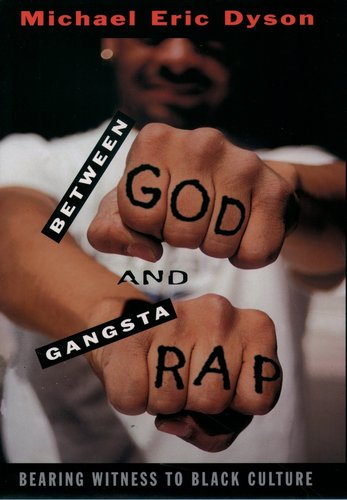
Black people take on many identities, too: mother, father, son, daughter, employee, etc. They are part of many different spaces, and for some of them, music and religion are intertwined.
Alphabet of Black Cultures by Jeffrey Daniels
In Alphabet of Black Cultures, Jeffrey Daniels wrote this children’s book to help children understand the importance of black culture and history through music, art, inventions, and traditions! This serves as a helpful guide to teach children early on about the importance of diversity, equality, and equity.
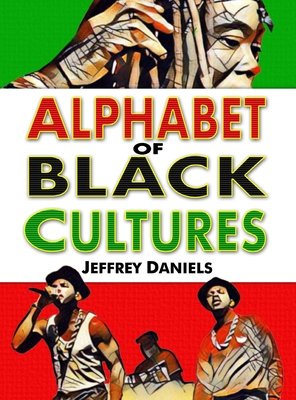
We use systems to demonstrate knowledge of things, such as the metric system, telling the time, and doing basic math. In this instance, Jeffrey Daniels provided the A-B-C system for measuring the greatness of black culture and black people who have embraced this culture and their heritage.
Black Culture Centers: Politics of Survival and Identity by Fred Lee Hord
This book details the promises that are fulfilled by the African-American staff and faculty at historically black colleges and at colleges across America. This acknowledgement of black college students within the academic community is incredible, and it shows through black centers filled with art, expression, and love.
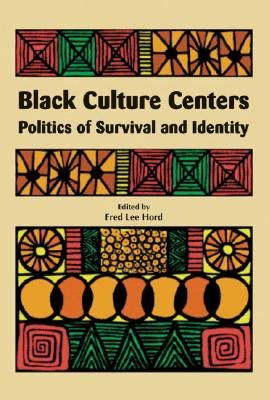
In colleges and universities across America, more universities are expanding their cultural research into creating multi-cultural centers. Some of these centers can be seen in big cities like Chicago, and community colleges in Indiana.
Black Culture In Bloom: The Harlem Renaissance by Richard Worth
Richard Worth explains how counter-cultural acts were made with figures like W.E.B. Du Bois and Josephine Baker. He goes on to explain that not only was there success, but there was also apparent sadness during the speakeasies and clubs in Harlem. Work was difficult, and part of this period occurred during The Great Depression. While there was so much joy and togetherness during The Harlem Renaissance, black people made the most expressive work out of a time of segregation.
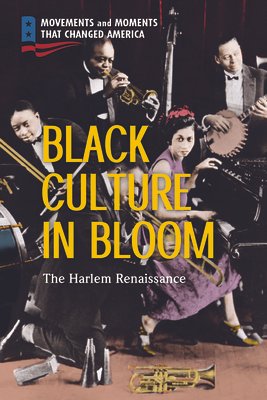
The Harlem Renaissance recognizes the beauty of art galleries, black expression, and the blues and jazz era. Many people from different races gathered in Harlem to celebrate these black achievements and joined in the frenzy of such happiness. However, it left much sooner than expected, and was, for a brief time, a moment where white Americans appreciated the black experience.
One Last Word by Nikki Grimes
African-American illustrators crafted watercolor paintings and images to this book alongside poems written in the “Golden Shovel” method. The illustrations are meant to create an emotional impact in black Americans, and to reinforce the beauty of their culture through poets of the past.
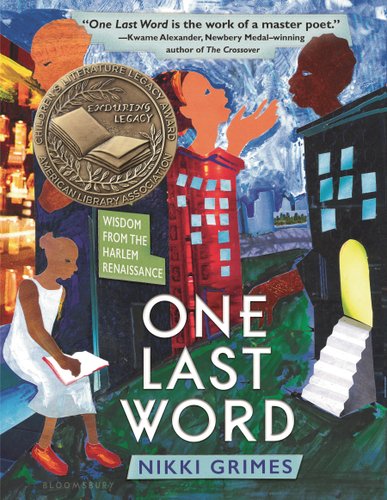
Generations of black Americans have felt the trials, tribulations, and success in their lives. Black artists have dedicated their art to crafting these experiences in abstract, minimalist, or expressive forms.
Black Culture and Mental Health by Robin R. Lomax
The underrepresentation of POC clinical professionals in mental health fields makes many black people wary. Many are fearful that these professionals — who have not endured the historical struggle they have — would not have educated guidance through these problems. By having more representation in mental health fields, this would create much better access to mental health services for black people.
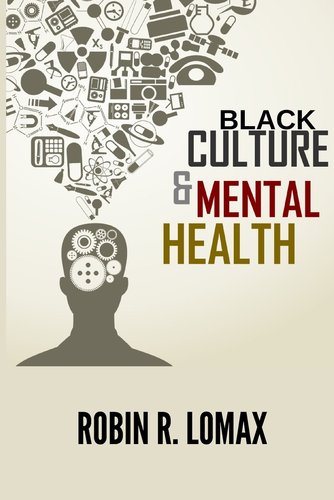
Negative mental health is very prevalent in people of color. There are many layers to this declining mental health, one of which is generational trauma. Along with economic difficulties, health issues mistreated in hospitals, and underrepresentation of POC mental health clinicians in the healthcare field, it is no wonder that black people continue to struggle.
The Regal Theater and Black Culture by C. Semmes
The Regal Theater held plays speaking on themes of prejudice, racism, classism, and sexism from 1928 to 1968 as The Civil Rights Movement happened. Many stage actors were black, which was revolutionary in itself as many black actors were not featured in Hollywood films until much later. The theater was made for a black audience, and it was loved for many years.
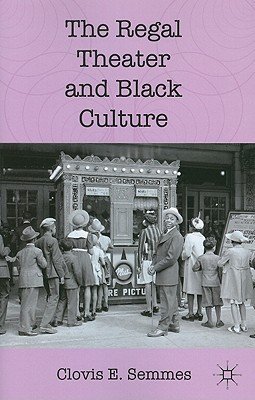
During The Harlem Renaissance, plays showcasing the horror, sadness, joys, and beauty of the black experience popped up on stage. We say that art imitates life — it truly does in this circumstance.
Talking To Black People: An Exploration of Black Culture & Everything You Wish You Knew by Tunde Gbotosho
This is a guide to help readers understand how to navigate cultural questions and authenticity around black culture. This includes learning how to use more inclusive language and learning how to become more culturally proficient with black people, black history, and black culture.
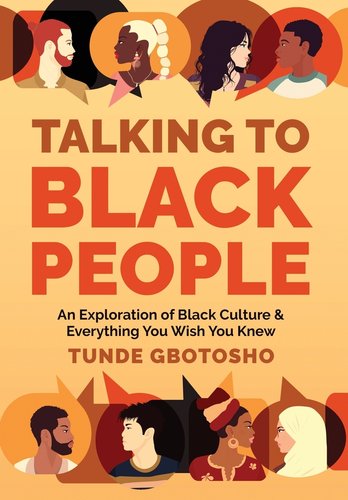
Throughout our lives, we learn to be more open minded and learn more about the world around us, including its people. We have to challenge ourselves to look past our biases and see people for their different, diverse experiences.
The Power of Black: A Poetic Children’s Book For Boys On The Diversity of Black Culture by Tex Stanly
The poems in this children’s book show young black children how to be proud of where they come from, and how to build resilience in tough situations. The word “black” is used as a metaphor to emphasize the importance of all of the soulful parts of the black experience.
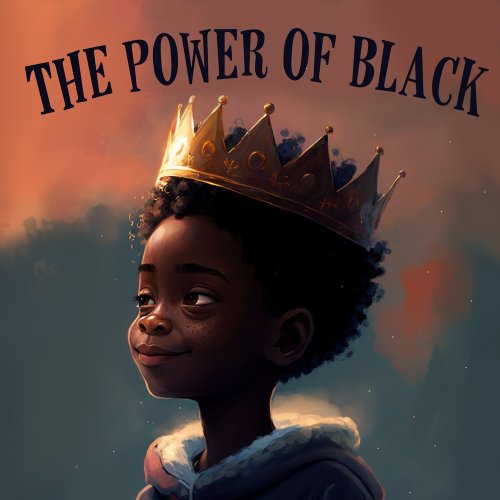
Children must learn early on how to appreciate diversity in the people around them. This includes black children seeing the beauty and power in their skin, abilities, and identity. Through the power of children’s literature speaking directly to black children, they learn the thoughts and feelings to become their most beautiful selves.
Hood Healing: Interviews With Some of Chicago’s Most Prolific Voices In Media and Black Culture by Vee L. Harrison
Vee. L. Harrison spoke with several Chicago journalists about what it is like living in generational trauma in the West Side, Chicago. She speaks about how to break down this trauma and how to get on the path to self-healing.
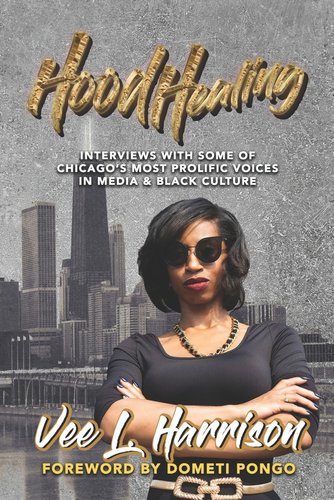
Chicago has one of the most diverse populations of people in the United States. However, living in the West Side and South Side of Chicago can be very difficult for black people. They have witnessed violence, gangs, drugs, poverty, and other major issues in these urban areas.
The 1619 Project: Born On The Water by Nikole Hannah-Jones and Renée Watson, Illustrated by Nikkolas Smith
The 1619 Project: Born On The Water is a children’s book discussing the issues of current children that can’t trace their origins back very far in their families. Nikole Hannah-Jones shows that the people on the water survived, meaning that their ancestors survived so that black children can live.

Affiliated with the New York Times, Nikole Hannah-Jones has a short podcast series on black origins, black erasure, and black culture in America. Nikole puts the emphasis of her work on the fact that slaves were brought to America on the Transatlantic Slave Voyage. In the lands across the water, she says there were diverse languages, cultures, and traditions that were stripped from black people. Now, they are creating and rebuilding the cultures of the past and present.
In this beautiful list of book recs on black culture, we see that black people have endured and conquered many tribulations to maintain and share their power. This endurance is infinite, and seals the beauty of the black experience. We hope that you enjoyed these 25 book recs celebrating black culture!
Want to read Bookshop Spotlight: Black-Owned Businesses? Click here.
Read these books and more on our Diversifying Your TBR: Beautiful Black Voices In Literature bookshelf on Bookshop!