

















In this edition of our 5×5 series, we’ve spoken to five authors who’ve written astonishing retellings of classic folktales. These writers take well-known legends, myths, and fairytales and turn them into new, exciting stories that appeal to current audiences. Whether they’re bringing new layers of complexity to known characters, exploring unknown views, or altogether reimagining stories we thought we knew, each author adds a distinct and engaging voice to the world of folklore retellings. Check out their responses and learn more about their latest novels!
The Authors
Abigail O’Bryan
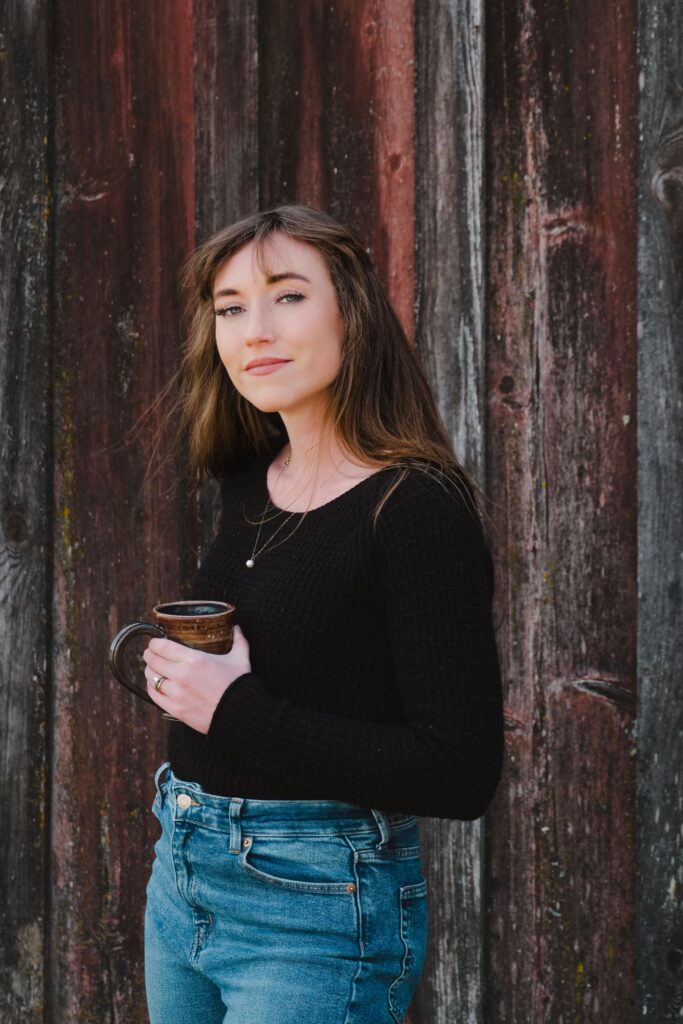
Abigail writes fairy-tale reimaginings with strong women, deep characters, and true love (with a healthy dose of adventure and magic). She lives and writes in the shadow of the Wasatch Range with her awesome husband and rambunctious wee bairns. Her debut novel, Iron Rose—a dark YA reimagining of Beauty and the Beast—released August 2024 from Quill & Flame Publishers and was finalist for YA Action in the Readers’ Favorite International Book Awards.
Kaitlyn Davis
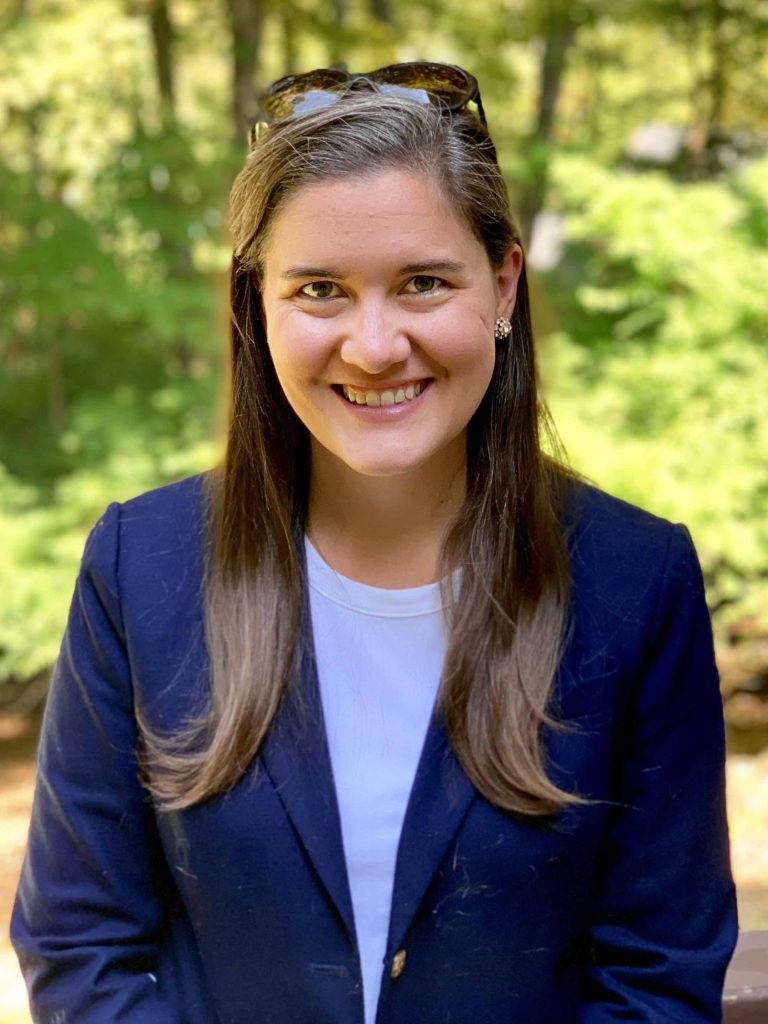
Bestselling author Kaitlyn Davis writes young adult fantasy novels under the name Kaitlyn Davis and contemporary romance novels under the name Kay Marie. Her Midnight Fire series has sold over a quarter-of-a-million copies, and The Shadow Soul was selected as an SPFBO Finalist. Publishers Weekly has said, “Davis writes with confidence and poise,” while USA Today has recommended her work as “must-read romance.”
Ella McLeod
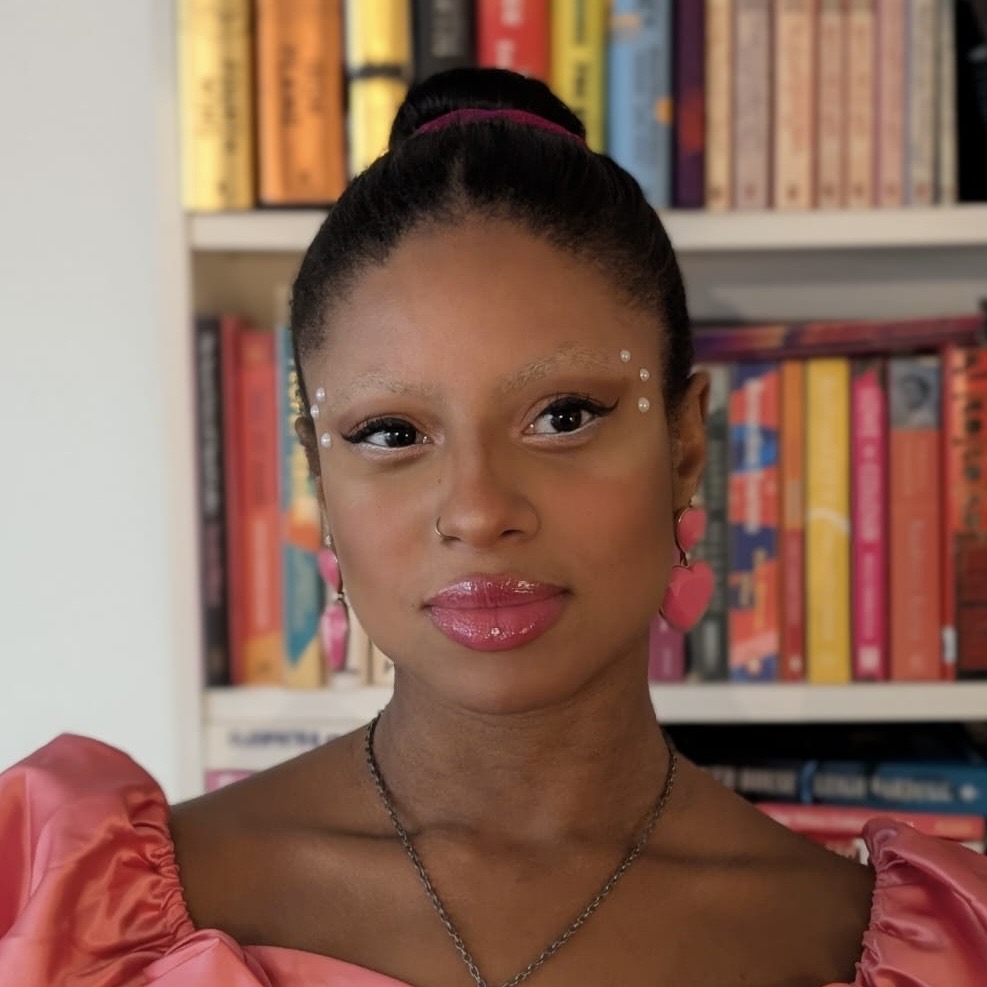
Ella McLeod’s debut YA novel, Rapunzella, Or, Don’t Touch My Hair, was nominated for the prestigious Branford Boase Award and received rave reviews in Kirkus, the Irish Times, and the Guardian. Her second YA novel, The Map That Led To You, was a Guardian Best Books Pick. Her next book is Andromeda, is being published by Transworld and is her adult debut. Ella received a first-class BA (Hons) in English Literature at Warwick University and graduated top in her class. She has produced and researched podcasts for Somethin’ Else, part of Sony Music Entertainment, and for BBC Sounds. She also hosts the podcast Comfort Creatures on the Maximum Fun network.
Leslie Vedder
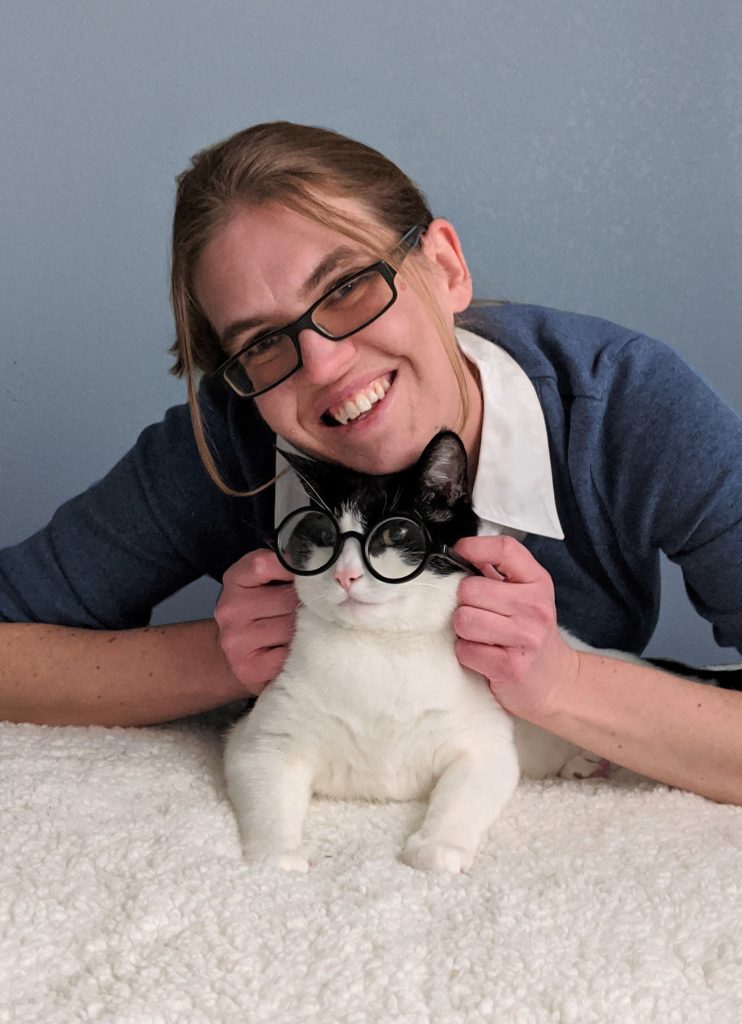
Leslie Vedder is the author of The Bone Spindle series, who loves girl heroes and adventurers. She grew up on fantasy books, anime, fanfiction, and the Lord of the Rings movies and met her true love in high school choir. She graduated from San Francisco State University with a B.A. in creative writing and currently lives in Colorado with her wife and two spoiled house cats.
Axie Oh
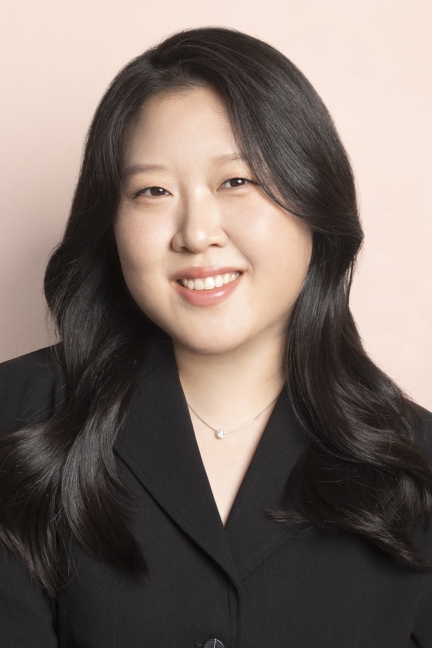
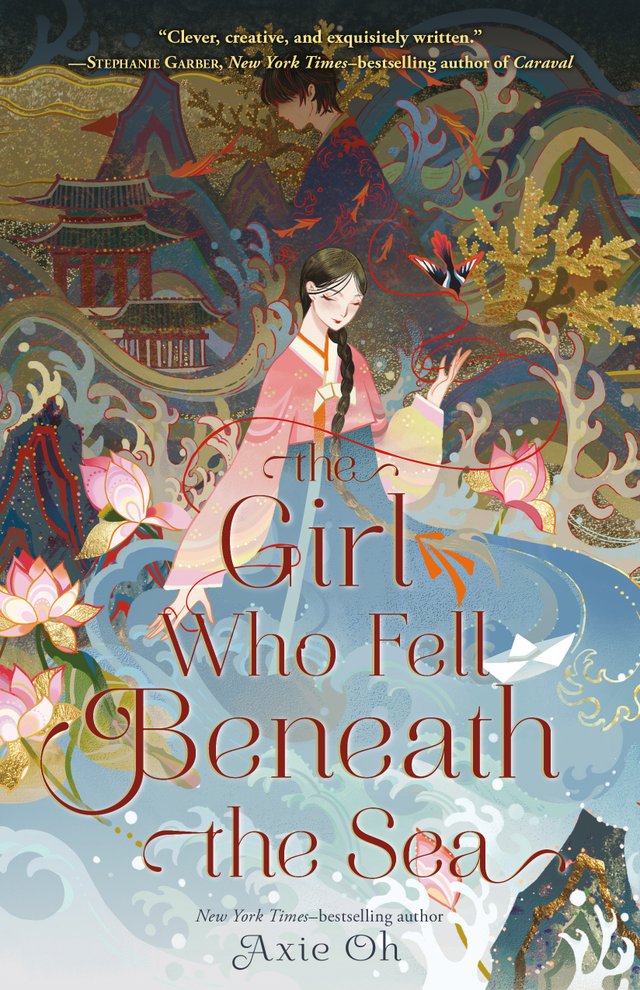
Axie Oh is the New York Times bestselling author of The Girl Who Fell Beneath the Sea, the Floating World duology, XOXO and ASAP, and the Rebel Seoul series. Born in New York City and raised in New Jersey, she studied Korean history and creative writing as an undergrad at the University of California San Diego and holds an MFA in Writing for Young People from Lesley University. Her passions include K-pop, anime, stationery supplies, and milk tea, and she currently resides in Las Vegas, Nevada, with her dogs, Toro and Leila.
The Interview
1. What was it about retellings that drew you to write one of your own? What attracted you to the stories that you have rewritten?
Abigail O’Bryan: Growing up, I adored Beauty & the Beast and consumed that story in any form, but as I got older, I had questions—what kind of enchantress would curse a child? What happened to the kingdom after the monarch disappeared? What kind of girl could be in the same room as a dangerous creature, let alone fall in love with him? It’s like a delicious riddle begging to be solved over the course of a couple hundred pages.
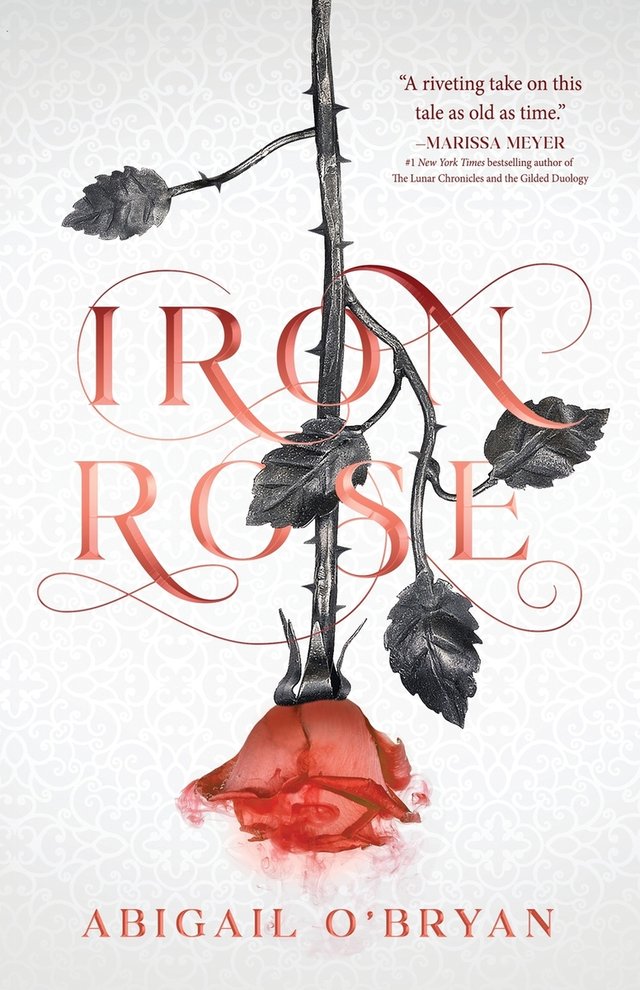
Iron Rose, my debut novel following a scarred rebel leader on her search for the last heir to unite her country and overthrow a tyrant, was my answer to that riddle—and a love letter to the beautiful romance and exploration of what it truly means to be human that lies within every retelling of Beauty & the Beast.
Kaitlyn Davis: I adore retellings for the simple fact that they turn something old into something brand new. The familiar aspects that tie retellings together are as comforting as a cozy, worn blanket, while the variations provide an exciting thrill. As a reader, I love to go on the journey. I find it absolutely fascinating that so many writers can begin with the same basic premise and come up with stories that are wildly different. As an author, I love the challenge. How can I make this my own? How can I completely shock the audience? Where do I twist the plot? What Easter Eggs can I subtly weave into the story? How do I modernize the characters?
My Once Upon a Curse series twists five of the most classic fairy tales—Sleeping Beauty, Beauty and the Beast, Cinderella, The Little Mermaid, and Aladdin. I mostly chose these because I thought they would work best for the story as a whole, but also because they’re some of my personal favorites. Each individual novel completely flips an original fairy tale on its head. For example, in Withering Rose, Beauty is the one who is cursed, and the beast has to save her. Or, in Chasing Midnight, the fairy godmother is an assassin sent to kill Cinderella instead of a benevolent benefactor. In addition to this aspects, the series takes place in a post-apocalyptic version of our world, set in a time following an earthquake which melded two parallel universes together—one seemingly torn from our favored storybooks, and the one we currently know. It’s a little meta, which I think just made it more fun!
Ella McLeod: I think most stories are re-tellings, really. We’re constantly in dialogue with tales that have gone before, and I think fairy tales, in particular, provide a really interesting entry point into interrogating ideas of status-quo and what is normal. I like to say I write to right wrongs, and retelling fairy tales, particularly in the YA space, felt ripe for speaking truth to power.
I started writing what would become Rapunzella, Or, Don’t Touch My Hair while I was at university studying English and Theatre. I was studying A Raisin in the Sun by Lorraine Hansberry and thinking a lot about blackness, feminism, and hair. I was also writing critical theory essays on Disney’s globalization, and the two strands of study created a perfect storm really. I started thinking about the messaging I had absorbed as a young girl as a result of the media I was consuming, the stories I was being told about the world and, consequently, myself.
I knew I wanted to write stories that didn’t necessarily provide answers but asked further questions—what is beauty? Who gets to decide? Who do we assume to be villainous? Why? What kinds of power seem to be disruptive and subversive? What horrors do we permit in the name of “normal”?
Leslie Vedder: I’ve always loved the magic of fairytales—poison apples, enchanted castles, and slippers made of glass! But a lot of the original stories don’t have very heroic roles for their heroines. In fact, there’s quite a bit of sleeping, housework, and waiting to be rescued.
When I decided to write my own Sleeping Beauty retelling, I wanted it to be a girl rescuing a sleeping prince this time around—a girl who was clever and tough and loved books as much as I did. So in this retelling, Fi, the bookish treasure hunter, teams up with a kickass queer partner, Shane, and they have an action-packed adventure on the way to happily-ever-after!
Axie Oh: I use fairytales, or folktales, as starting points for my stories. For The Girl Who Fell Beneath the Sea, I drew from a story called The Tale of Shim Cheong or The Blind Man’s Daughter to inspire my story. In the original, Shim Cheong sacrifices herself to the Sea God in order to save her blind father; in my story, Shim Cheong is a side character, and my heroine, Mina, is the one who jumps into the sea in order to save her brother. Other creatures from Korean myths, like Imugi (proto-dragons) and a nine-tailed fox, also appear in the story.
As for The Floating World, I drew upon another story called The Woodcutter and the Celestial Maiden, which is about a woodcutter who discovers celestial maidens (magical women from the heavens) bathing in a pool and steals the youngest of the maiden’s wings so that she can’t return to the heavens. In my story, my heroine, Ren, is a descendant of this maiden, and inheritor, of her celestial powers. My stories, at least the ones I’ve written so far, aren’t retellings of the originals so much as they are inspired by and/or in conversation with them.
2. Often, fairytales and folktales will contain deeper meanings and valuable lessons for all who read the stories. So were there any themes from the original stories that you especially wanted to draw out in your retelling?
Abigail O’Bryan: As I see it, Beauty & the Beast is—at its core—less about judging by appearances and more about what it means to be human.
I really liked getting to play around with each character being their own brand of beast: the Belle character as a warrior with shut-down emotions; the Gaston character who’s only concerned with his own power, the tyrant hollowed out by revenge; and the actual Beast who’s the most human of any of them but needs to be reminded of it.
Kaitlyn Davis: One thing I’ve always found unrealistic about the fairy tales I grew up with is how glaringly divided the “good guys” are from the “bad guys.” While that sense of goodness conquering evil is comforting to us as children when we first hear these tales, the older we get, the less black-and-white the world becomes. I really wanted to play with this in my series. With each progressive book, as more of the worldbuilding and the backstory are revealed, these dividing lines blur, until, by the end, I think many will find themselves rooting for the side that was considered “bad” in the first book. I truly think the world could do with more sympathy and less of an “us vs them” mentality, so if the reader walks away with anything, I hope it’s a sense of compassion for people who might be different than them.
However, I am a romantic at heart, and one of the other basic tenets of so many fairy tales is a belief I hold dear in my heart—love conquers all. Maybe that’s not always true in the real world, but when it comes to books, I’m a sucker for a HEA.
Ella McLeod: In Rapunzel, a young woman is trapped by a wicked witch and is liberated by a handsome prince and her flowing golden locks. That in itself is pretty heavy, in my opinion. I wanted to explore what we mean by “witch” and ask questions about why we’re so afraid of powerful women. I also found it fascinating that it’s Rapunzel’s proximity to the monarchy that leads to her salvation, as is so often the case in fairy tales. This has always been kind of wild to me. Monarchy — with its violent, colonial history, its innate hoarding of wealth and power, its self-perpetuating belief in its own divine right to exist — is so often placed on this pedestal of narrative goodness. It’s seen as something to aspire to, to covet, and I’m just very curious about why that is and what telling stories that synonomise “happily ever after” with “she became a princess” does.
I also, of course, wanted to explore themes of race, gender, and beauty. As a young child reading these stories, I would run around with a towel on my head, pretending I had long flowing hair because I understood, in some innate, inarticulate way, that my afro would not save me in the stories that I loved. The world has changed somewhat, thankfully, and young black girls are more likely to see women who look like them held up as strong and beautiful than they were in my childhood and adolescence. But I knew that I wanted to right that wrong and write a story where young black girls could see themselves as both worthy of being saved and capable of doing the saving.
Leslie Vedder: A lot of folktales and fairytales have something like a devil’s bargain: the promise of power, especially dark power, that’s just one deal away. But that ill-gotten power never leads to a good ending. In The Bone Spindle, Prince Briar Rose struggles with that same challenge: he’s got dark magic at his fingertips, but as powerful as it makes him, it’s also slowly turning him monstrous. I loved playing with that dynamic, and also following Fi and Shane, my girl treasure hunters, who mostly solve problems with their brains, brawn, and boot heels. I think one of the biggest fairytale lessons is that shortcuts almost never pay off!
Axie Oh: A lot of my favorite books growing up were retellings, but they were mostly retellings of Western fairytales. When I decided I wanted to write my own re-imagining, I drew inspiration from Korean fairytales, as they had themes that I was familiar with, and that I cared about, specifically devotion to family.
3. Did you face any challenges in balancing elements from the original stories with your changes?
Abigail O’Bryan: Because I basically breathed Beauty & the Beast for my entire childhood, retelling that fairytale came fairly natural. However, my current project—a gender-bent Sleeping Beauty retelling brimming with cursed princes, thread witches, and mysterious feasting gods—has proven much more challenging as I try to balance the classic beats of the story while solving problematic pieces (e.g., a heroine who does nothing and consent, please!).
I am loving the challenge of exploring sleep, not just as a literal slumber (though that is present), but as a way of existing in the world—falling asleep to one’s own self, to the needs of others, etc. Stay tuned to see how well I manage it!
Kaitlyn Davis: Personally, no. I wanted to be conscious of not allowing the original fairy tale to cage in the creative needs of my personal story. So some of the books are a bit tighter in their retelling, and some a bit loser, but each carries a recognizable framework. And, of course, sprinkled throughout all the books are little Easter Eggs and nods to the originals that I hope the readers will pick up on and enjoy. In Gathering Frost, for example, my sleeping beauty is under a spell—she’s just not asleep, which would make for a rather boring tale. Instead, she’s under a curse from an evil queen to be emotionless, unable to feel love or hate or fear. The story is about awakening her heart instead of her mind.
Ella McLeod: To be honest—no! I knew fairly early on that I wanted to pull at the original narrative thread until it had all but totally unravelled. I was never striving for fidelity; I wanted to subvert the reader’s expectations of the story and create something playful and exciting and romantic. So it was less a question of balancing elements and more a process of identifying things that frustrated me in the original story that I wanted to be really intentional about rewriting. For example the witches in my story aren’t wicked—they’re wise and powerful and don’t conform to the King’s desires and are, as a result, perceived as threatening.
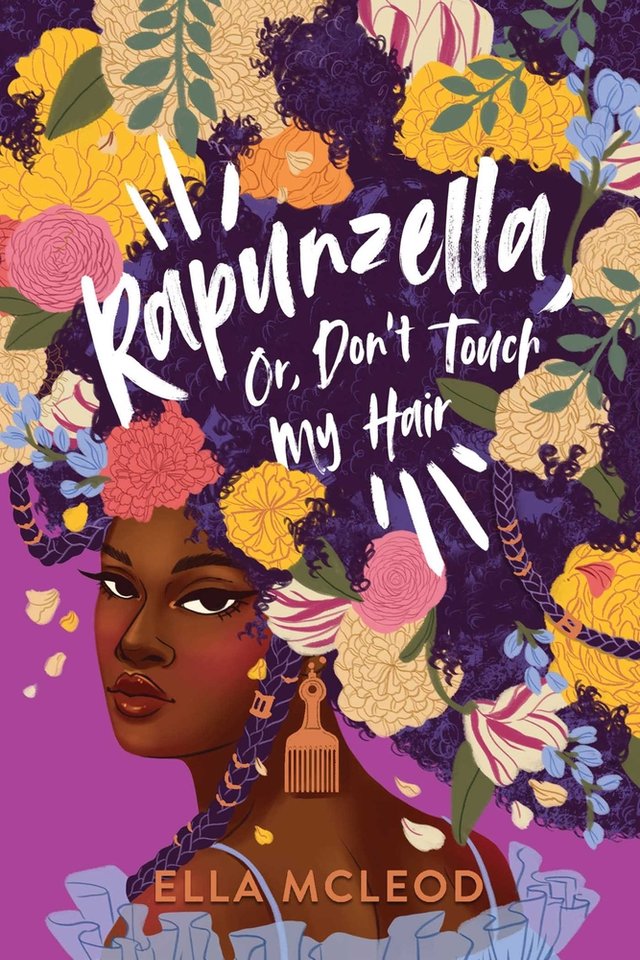
Then there’s the kissing. Oh, the problematic, non-consensual fairy tale kissing where a comatose unconscious woman is kissed by a man—often a stranger—and expected to be grateful for it. It doesn’t happen that way in Rapunzel, but I knew it was something I wanted to address in my story because the enchanted sleep that is reversed by a kiss is such a genre set piece. So in Rapunzella, my male love interest makes a real point of not kissing my protagonist when she’s asleep because… well… it’s weird. And he says so.
Leslie Vedder: The quintessential moment of Sleeping Beauty is when the slumbering figure is woken from their enchanted sleep by a kiss. I definitely wanted this moment—but not the creepiness of kissing someone you’d never met while they were unconscious. So Fi and Briar needed to have the chance to meet and fall in love first. Which presented a challenge: How do you fall in love with someone who’s asleep?
In Prince Briar Rose’s case, he comes along for the journey as a spirit haunting his destined savior with some ghostly antics! Which ended up leading to some super fun love scenes.
Axie Oh: It helps that my books are “inspired by” and not true retellings. However, I do “tell” the original folktales in their respective stories. In The Girl Who Fell Beneath the Sea, my heroine, Mina, tells The Tale of Shim Cheong, which the book is inspired by (very meta). And in The Floating World, the story The Woodcutter and the Celestial Maiden is told several times. However, I did make changes to the original stories to suit my story, while still keeping the framework of the originals. For me, there’s no right way to interpret a story—I think it’s beautiful that each reader (or listener) can take from the story what they will or need. I also think there are innumerous ways to tell the same story, which is a theme I explore in The Floating World.
4. Folktales and fairytales have been a part of human history for centuries, often r the contemporary state of the world. What role do you think retellings of these stories play in understanding the world today?
Abigail O’Bryan: The stories that endure go beyond just a moment in culture—they tap into something inherently true about the human experience. But, through familiarity and overexposure, the beauty and wisdom that these tales have to offer us often get dulled. Retellings sharpen their edges again, make us pay attention, and can dial into the elements that are most needed in our current time. Fairytale retellings ground us in a long history of humanity, reminding us that—while we may be living in unprecedented times—not all is uncharted water. What spoke life and hope and resonated in the deepest places of people’s hearts centuries ago still speaks to us now. And that knowledge can serve as an anchor and a guide to us as we navigate the complexities of the modern world.
Kaitlyn Davis: I think their role changes as we do. So many of the fairy tales I grew up with are the same ones my children now are growing up with because, despite all the technological advances and changes in how the world operates, the basic needs of young children are often the same. They need a sense of right and wrong, of love’s power, of justice triumphing, of kindness’s strength. We want them to learn that courage and perseverance are stronger than greed or deceit.
When we get a bit older, our needs for the stories change. Retellings are hugely popular in YA, I think, because, as teens, we learn more about the outside world and begin to question all these basic lessons we were taught as children. We want rebellion. We want change. But we want it within a safety net.
Then, as adults, maybe some want the nostalgia of youth while others want to be further challenged. Retellings can provide both. The settings and characters thankfully modernize with the times—becoming more diverse, more feminist, more scientific, or more inclusive, for example—but I think the souls of the original stories are everlasting.
Ella McLeod: This is a really hard question. For a long time, folktales and fairy tales served as morality guides for communities, ways of providing social commentary, and warnings about the correct ways to behave. Often, this notion of what is and isn’t “correct” is framed as what is and isn’t “safe”; Red Riding Hood is encouraged not to stray off the path laid out for her by her parents, the little mermaid (in the original Hans Christen Anderson version) is punished for her desires, for wanting more than the life she has, for defying her family and societal norms. Step-parents were villainised by a society that feared divorce.
Modern retellings, I think, add nuance here. In the ’90s and ’00s, during The Great Disneyfication, our fairytale heroines differed from the more traditional presentations of the earlier princesses. Belle in Beauty and the Beast “wants adventure in the great wide somewhere,” and the narrative rewards her moxie. Ariel saves Prince Eric and gets the best of both worlds as a result of her daring, contrary to Anderson’s tragic ending. Tiana’s work ethic and perseverance in the face of adversity deliver her a prince—but actually, she doesn’t need him to achieve her happily ever after.
And now storytellers are taking it further. What happens when we have sympathy for the starving wolf whose woods have been encroached upon by woodcutters and their families? Who was Maleficent before she became the evil queen of our childhoods? What can we say about all the assumptions made about people and relationships in those early fairy tales—that, for example, a person’s insides are always reflected on their outsides? That villains can never be beautiful, and heroes must always conform to beauty standards? I think in the world today, the act of re-telling, the art of revising, serves to right those past wrongs and question things that we have long taken for granted.
Leslie Vedder: A college professor of mine once said that all literature is a conversation. I love the idea that books and stories from all different times could be connected—and the more we read, the more we deepen our understanding of and add layers to the stories we know.
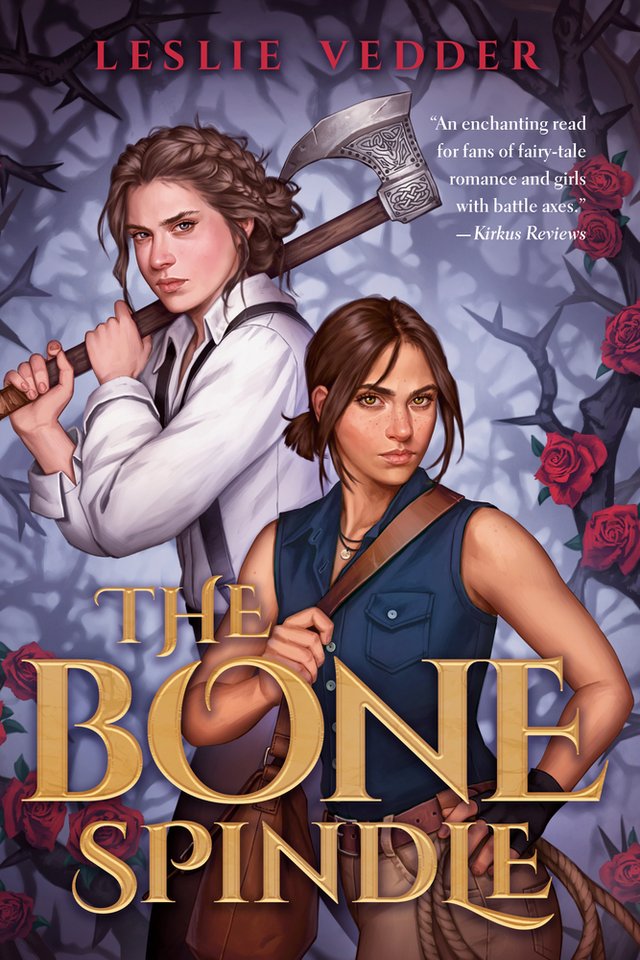
That’s what makes retellings so compelling for me. It’s the chance to take a story we all know and turn it on its head. Ultimately, no matter how you’re changing your retelling—whether it’s through gender-flipping, centering the villain, or queering a love story—you have the chance to subvert a classic trope and make it new. And these new stories become part of that same tapestry of fairytales, making them more inclusive and reflective of the world we live in.
Axie Oh: I think there’s a reason centuries-old stories are retold even to this day—they hold universal themes that still resonate.
5. To close out, can you share some of your favorite fairy or folktale retellings?
Abigail O’Bryan: I adore East by Edith Pattou, Thornspell by Helen Lowe, Spinning Silver and Uprooted by Naomi Novik, and Marissa Meyer’s Lunar Chronicles.
Kaitlyn Davis: My first two favorites are hugely popular and probably on everyone’s lists, but I have to include them—A Court of Thorns and Roses by Sarah J. Maas, and The Lunar Chronicles by Marissa Meyer. Both series are absolutely wonderful, and the settings especially set them apart! For something more nostalgic, I will always remember reading Ella Enchanted by Gail Carson Levine as a kid, and I can’t wait to read it with my daughter. A few indie retellings I adore are Off the Hook by Julie Olivia, which is fun because it’s a contemporary romance that I think is a little more unique to this genre, and Entangled with Fae by Tessonja Odette (these covers are gorgeous!). Finally, while not quite a fairy tale retelling, I have to give some love to Legendborn by Tracy Deonn, which twists the legend of Camelot. I was glued to the pages!
Ella McLeod: I love Greek myth retellings like Bea Fitzgerald’s Girl Goddess Queen and Madeleine Miller’s The Song of Achilles. I also love the way that Natasha Bowen’s Skin of the Sea and Tomi Adeyemi’s books use West African Folklore. Kalynn Bayron’s Cinderella is Dead is fabulous too, so is Nikita Gill’s Great Goddesses, which engages with folklore and myth in a really special and unique way.
Leslie Vedder: I love Cinderella Is Dead by Kalynn Bayron. It’s a sapphic retelling full of mortal peril, dark atmospheric chills, and a fierce heroine in a ball gown! Another of my favorite sapphic retellings is Girl, Serpent, Thorn by Melissa Bashardoust. It is a stunning fantasy with so much emotion and an absolutely entrancing love story at its heart. Threads That Bind by Kika Hatzopoulou is also a phenomenal reimagining of the descendants of the Greek Fates, with a noir detective story full of murder, mystery, and romance.
Axie Oh: Dragon Sword and Wind Child by Noriko Ogiwara, Shadow of the Fox by Julie Kagawa, Wildwood Dancing by Juliet Marillier, and East by Edith Pattou.
Bonus Questions
What other classic stories would you be interested in retelling?
Abigail O’Bryan: I am currently working on a gender-bent Sleeping Beauty retelling and am debating between Rapunzel or the Little Mermaid for my next project. The idea of mixing the Little Mermaid with Seelie lore is exciting to me!
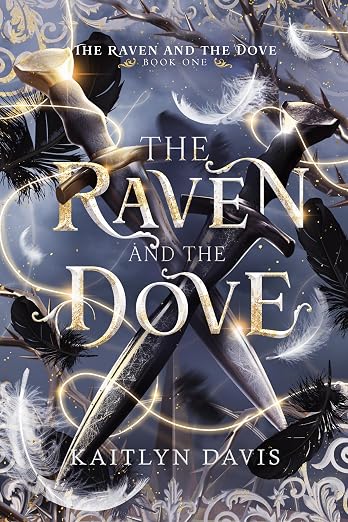
Kaitlyn Davis: I absolutely love retelling all sorts of stories, not just fairy tales, and a few of my other books are retellings as well. My fantasy romance series The Raven and the Dove twists the legend of Tristan and Isolde, which is a tragic tale of star-crossed lovers (if you haven’t seen the movie adaptation with James Franco, run, don’t walk!). My dove princess falls for the bastard brother of her betrothed raven prince after they bond over a shared possession of forbidden magic. My paranormal romance series Midnight Ice is a loose retelling of the Pandora tale mixed with a little angel mythology. It was fun to meld some of the traditional Greek elements with the more Christian elements to create something entirely new. I could easily see myself working on a retelling of a Jane Austen novel or Shakespearean play at some point!

Ella McLeod: So I actually have a picture book in the works that’s a retelling of Goldilocks and The Three Bears! It’s been really fun to write for a different audience and see my words brought to life by the immensely talented illustrator Rochelle Falconer. My adult debut is also a retelling — of the Andromeda and Perseus myth. Andromeda, a princess of Aethiopia, is so often a footnote in Greek mythology, an addendum to Perseus’ heroism, and has also been whitewashed by a lot of the art that has depicted her. Andromeda is out in May 2026, and it’s been such a dream to reclaim her as the woman of colour that she was and is. Other than this, I’d love to take a look at Hansel and Gretel in some capacity. There’s something about houses made of treats, witches of the woods and cannibalism that feels like it could be really fun. Watch this space!
Leslie Vedder: I’m lucky to be working with the amazing artist Karyn S. Lee on a graphic novel that is a sapphic Robin Hood retelling! I always wanted a roguish girl, Robin, who’s playful and charming, like a certain red fox, while also getting herself into heaps of trouble and winning Maid Marian’s heart. So this project is a dream come true!
Axie Oh: I would love to retell The Snow Queen but with a Korean twist!
If your life could be compared to any fairy or folktale, which one would it be?
Abigail O’Bryan: Ideally, I would be the archetypal wise old woman in the woods who gives the heroes respite in her cottage along with some magical items to help them on their quest. I’m practicing for the role by making snacks for my D&D group, stomping around my wild garden, and drinking tea whenever possible.
Kaitlyn Davis: My life isn’t nearly exciting enough to be compared to a fairy tale! If I had to choose, probably Peter Pan. I’m Wendy, staring out the window, dreaming about pirates and mermaids and swashbuckling tales while stuck in dreary old New York ☺
Ella McLeod: Oooh gosh. I’m not sure my life is much like any fairy or folk tale though I, like most writers and readers, probably relate the most to Belle in Disney’s Beauty and the Beast. I’m forever running off to storybookland and would love a library like hers.
Actually—od, this is going to sound so cheesy—I think there was a touch of the fairy tale in how I met my husband-to-be. I would never have ever believed in the kind of love at first sight that we see in Sleeping Beauty and Cinderella, but when I think about how easy it was and how instantaneous the affection was, well, the evidence flies in the face of my cynicism. It reminds me a little of the Once Upon A Dream sequence in the Disney version of Sleeping Beauty, the feeling of knowing someone before you’ve actually met them. We’ve been together nine years, and weathered many good and bad times, and even though relationships work, I do think, sometimes, that love is a little bit magic.
GROSS. EW. My friends/sister/cousins are going to rip me to shreds when they read this! Let me press reset real quick and return to my sarcastic Londoner factory settings.
Leslie Vedder: In the best possible way, I think I am becoming one of the witches on the side of fairytales who hides away and collects cats and books. I’ve reached the point where I’ve started commissioning art of my cats for the walls—luckily, I have a very understanding wife!
Axie Oh: This is a hard question! I don’t think my life could be compared to a fairy or folktale, but I do believe Hayao Miyazaki is a modern teller of tales, and I relate to so many of his heroines.
How have fairy and folktales influenced your non-retelling related works?
Abigail O’Bryan: I’m sure someday I’ll write something else, but the siren’s call is still with retellings for the foreseeable future!
Kaitlyn Davis: Hugely, I’m sure, in obvious and unconscious ways. I’ve loved books for as long as I can remember, and all my basic understanding of stories comes from the fairy tales I devoured as a child. They taught me about archetypes, plot structure, and symbolism. One of the most difficult things to do as an author is to come up with a “hook” for a story. How do you turn an 80k-word novel into a single compelling sentence? But that’s the essence of fairy tales, and why they’re so crucial for writers to understand. They make complex ideas accessible through their very simplicity.
Ella McLeod: So my second young adult novel, The Map That Led To You, isn’t a retelling but draws very heavily on Caribbean folklore, particularly the tale of The River Mumma. In the stories, my grandma told me, The River Mumma is a mermaid who guards the Rio Cobre in Jamaica. She’s not your typical mermaid, not the type to sit preening on a rock simping over sailors. In fact, if any man dares look upon her, her face is likely the last thing they’d ever see. She has a habit of drowning people for their audacity. If she’s ever captured, it is said that the whole land would dry, and all the fishes, her children, would die, and the island would suffer. I became immediately obsessed. I have always loved mermaids and am fascinated by non-European sea mythology—we hear so many stories about pirates in the Caribbean which don’t centre Caribbean people or folklore, so I really wanted to write something inspired by that!
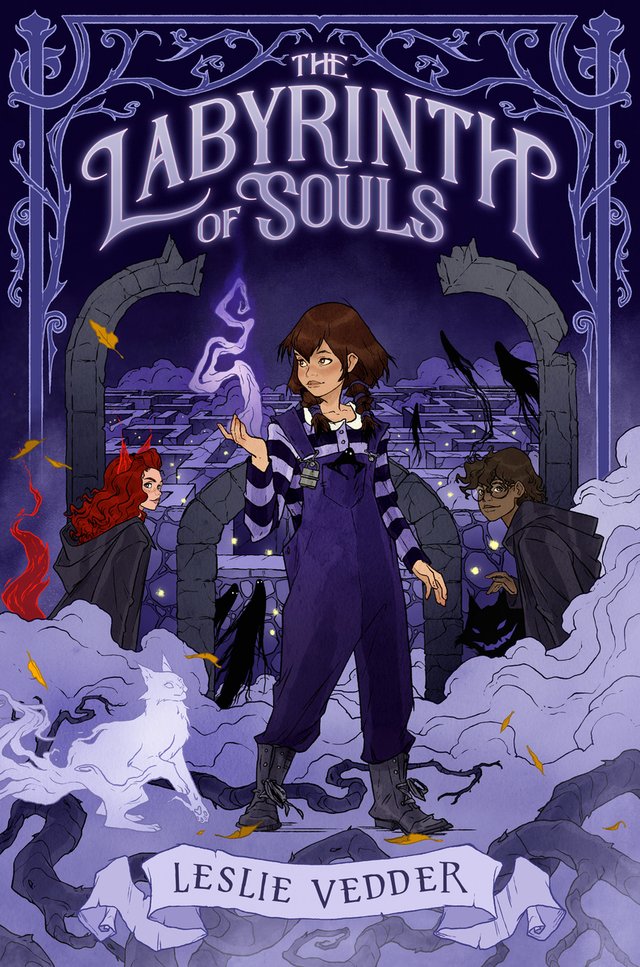
Leslie Vedder: Even when I’m writing non-retellings, I find myself putting little Easter eggs and references into them. In my newest MG book, The Labyrinth of Souls, there is a giant monster cat with stripes and a big grin who loves riddles and is absolutely inspired by the Cheshire Cat.
Sleeping Beauty, Alice in Wonderland, Robin Hood…these are the fairytales I grew up with, the ones that delighted me and made me love stories. Being able to pay that love forward in the things I write is absolutely magical!
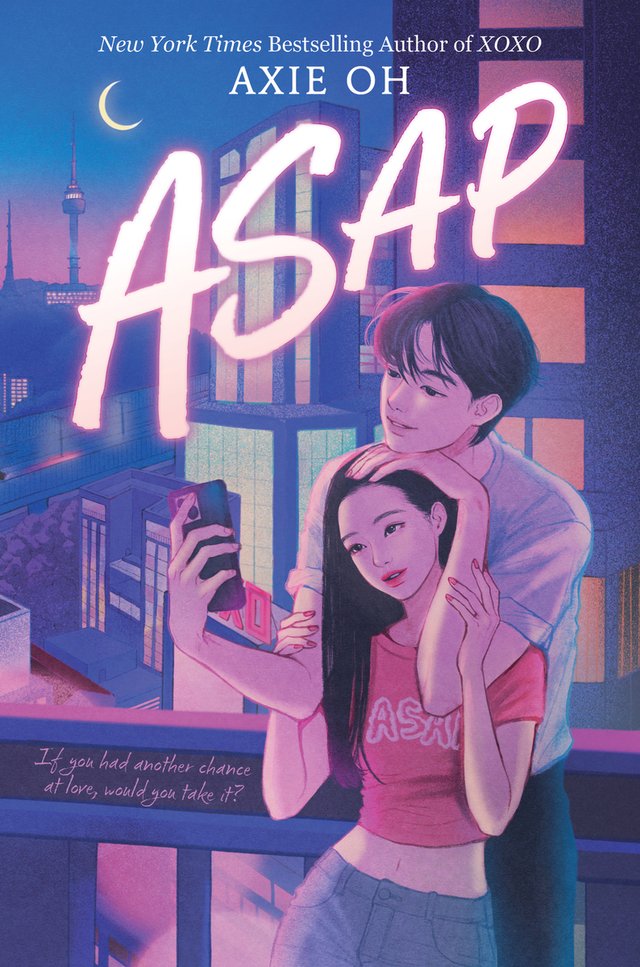
Axie Oh: I’ve written giant robot sci-fi and K-pop romances, so nothing directly related, but in writing one of the plotlines for ASAP, one of my K-pop romances, I specifically channeled Jane Austen’s Persuasion and Emma.
It was a pleasure to speak with these five authors, and we appreciate their time and collaboration! These outstanding writers prove that folktales are anything but outdated; rather, they are an evolving work of art that continues to inspire and captivate readers.
Find Abigail O’Bryan here.
Find Kaitlyn Davis here.
Find Ella McLeod here.
Find Leslie Vedder here.
Find Axie Oh here.
Check out our 5×5 article about YA Romance Authors here.
Don’t miss our Mythos & Legends Unveiled: A Cultural Tapestry of Tales list on bookshop.org for more recommendations!
