








When we pull a out a book off of any bookshelf, we first see the cover and read the summary. However, once we open it and read the content, the horror begins. There are several grammar mistakes; the FMC, MMC, or side characters are rough or have no depth. Luckily, BookTok creators have united on the same front about book pet peeves to inform other readers.
We’ve gathered ten books that demonstrate pet peeves that are brought up time and time again by BookTok creators. Take a look at the curated list below to see which of your book pet peeves have made the list and which books may not be for you.
TW: This article contains mentions of sexual consent, domestic violence, bullying, and child abuse. Please review the authors’ or publishers’ TWs for the following books before picking any of them up.

Fairydale by Veronica Lancet
Yep, we would be remiss not to include Fairydale first. Written by Veronica Lancet, a dark fantasy writer, Fairydale is a standalone novel that blends various genres — dark romance, gothic horror, and paranormal fiction. The book starts with Darcy O’Sullivan, our FMC, in Boston, Massachusetts, in August 1955. She is an English teacher who receives three envelopes from her late father’s lawyer, coaxing her to come to Fairydale. However, when Darcy arrives, many strange happenings occur on her visit.

This book is recounted time and again for incurring one major pet peeve in the book community — innumerable grammatical errors. There are places in the book where quotations are forgotten; periods at the ends of sentences are left to the wayside; numerical time periods are messed up. Ultimately, if consistent grammar mistakes deter you from the central message of a book, do not pick this one up.
It Ends With Us by Colleen Hoover
It Ends With Us has been a large topic of criticism, with many readers saying it romanticizes domestic violence. Our FMC Lily graduates from college, moves to Boston, Massachusetts, and starts her own business. She meets the MMC Ryle Kincaid, who is described as “assertive, stubborn, maybe even a little arrogant.” While he apparently has a “soft spot” for Lily, Ryle has an “aversion” to dating. Lily also wonders “what made him that way,” cementing the idea in the story that she can change him.
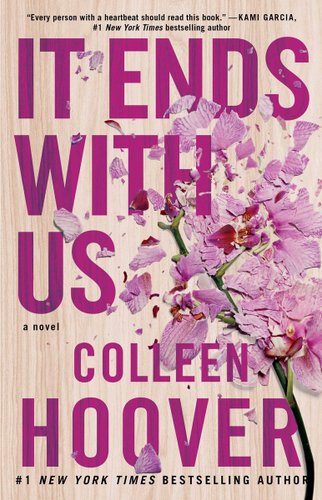
While the novel was adapted into a film starring Blake Lively, it’s still highly criticized. How many times have we seen the “I can change him” trope? Even though the narrative speaks about emotional manipulation and breaking the cycle of abuse, it takes a while for the FMC to get to that point. With the scope of the book covering domestic violence, readers feel uncomfortable and are less likely to pick it up.
A Court of Thorns and Roses by Sarah J. Maas
Sarah J. Maas writes a strong female lead in A Court of Thorns and Roses. Feyre is a huntress who hunts for wolfskin to bring enough gold to feed her sisters for a month. She finds the wolf, whose true identity is a fae. When she kills, skins, and sells the wolf pelt, Feyre breaks the fae/human treaty, which results in her being taken to the fae realm as penance for her crimes.
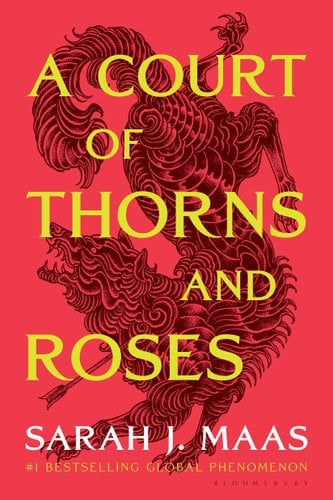
While Feyre is given trials and tribulations, according to BookTok readers, she is empowered only when a male fae character is attached. She doesn’t find her own independence, which waters down the strong female character trope. But there’s one other glaring issue the ACOTAR series as a whole suffers from that’s a widely felt book pet peeve: a lack of representation. The “write what you know” perspective as executed by Maas wipes her fictional world from all its diversity, with an entirely white cast of fae characters. In addition to this, readers also criticize the lack of LGBTQA+ relationships. This lack of representation has caused some people to refrain from a second read of the series.
Zodiac Academy by Caroline Peckham and Susanne Valenti
Zodiac Academy is a fae book series based in Solaria with an academia twist. The main FMC is the daughter of the Savage King and she’s a gemini. Why is this astrological sign so important? It determines the FMC’s destiny and elemental magic.
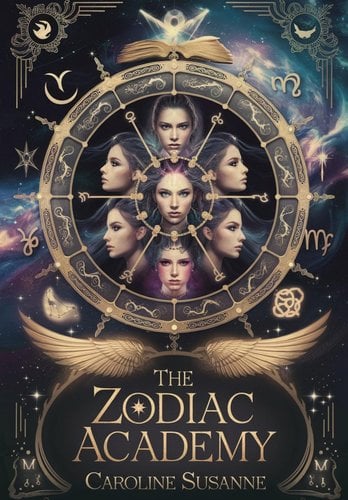
Zodiac Academy doesn’t make this list for its grammatical mistakes. While there are several of those, there’s a more pressing reason: the series is a bully romance. This trope teaches readers that to get the person you love, you have to bully and hurt them first. This is a very backwards approach to the enemies to lovers trope. If you don’t like to read about characters who bully their way to love, then Zodiac Academy is not for you.
Skyshade by Alex Aster (The Lightlark Saga Volume 3)
Skyshade comes up often in BookTok’s DNF list, and for good reason. While Lightlark and Nightbane do well in the plot, Skyshade comes up short. Our main character, Isla Crown, is back in Grim’s castle in Nightshade after a brutal battle and truths that are exposed. The Isla of the past fell in love with the ruler of Nightshade. The present Isla will do anything to save Lightlark and its king.
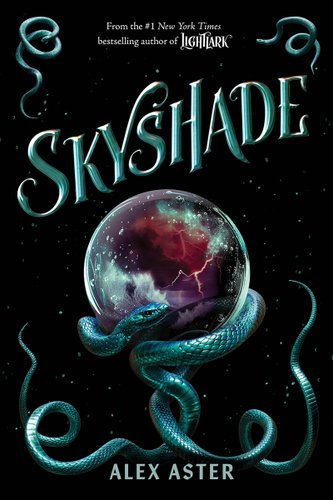
Many readers don’t like it when issues get resolved quickly, and that’s exactly what happens in Skyshade. People also don’t respond well to large info dumps to speed up a plot — yet another offense committed in this installment. One other issue Skyshade faces, according to BookTok readers, is that the love triangle is drawn out way too much. If these sound like things that would peeve you, move on to another book!
Magnolia Parks by Jessa Hastings
Magnolia Parks has received mixed reviews but is loved for its contemporary romance. However, the first book in the series suffers the most amount of criticism from the BookTok community. In this first book, Magnolia is dating other people out of spite towards Beej Ballentine. Beej hooks up with other girls, but he and Magnolia continue to go back to one another. It is a highly dysfunctional relationship, yet, this dysfunction isn’t the cause of readers’ frustrations.
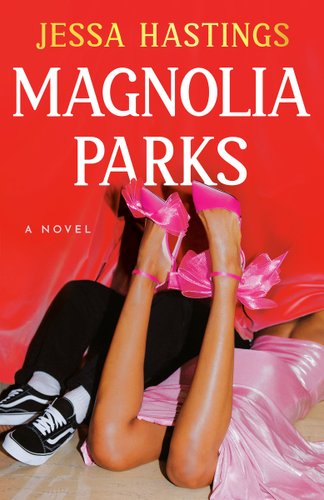
One of the major pet peeves of BookTok is that there are too many brand references in the story. Not only are expensive designer brands identified with Magnolia, but they are identified too strongly with other characters. The repetition of this takes readers out of the plot and makes the characters feel superficial. If you feel that this repetitive language drives you away from the quality of the narrative and characters, scoot to the next read!
Powerless by Lauren Roberts
Do you ever just get tired of reading a series that mirrors the past? Powerless is that book. It follows Paedyn, a girl living in a society divided by classes called the Elites and the Ordinaries. Does this sound like The Hunger Games much?
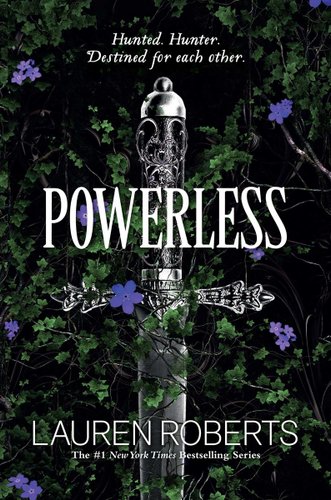
The major issue that BookTok has with Powerless is that it lumps romance with issues concerning genocide and child abuse, and it’s handled distastefully. These tropes remind us again why we were uncomfortable in the first place with The Hunger Games. That discomfort alone is enough for people to opt out of picking up Powerless.
The Silent Patient by Alex Michaelides
On the flip side of Skyshade, do you ever just think a book could be written in several fewer pages? This was The Silent Patient. The main character, Alicia Berenson, is a painter married to a fashion photographer. One evening, Alicia decides to shoot her husband in the face five times. She then refuses to speak to the public and gains notoriety for her paintings.
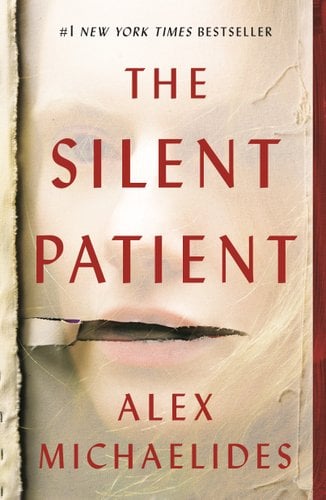
While Alicia is hidden at the Grove (a forensic unit in North London), a psychotherapist wants to work with her. While this book is a psychological murder mystery, BookTok readers find it to be boring, feeling that the plot is strung out too long. Since most BookTokers like authors to get to the point, they’re DNFing The Silent Patient hard.
Gild by Raven Kennedy (The Plated Prisoner Series)
Themes of possessive love tend to come up in romance, but what if it holds the main FMC back? Gild is about a girl stuck in Highbell castle, where everything is made of gold. The king, Midas, rescues her from being stuck in the slums and places her on a pedestal. He also gives her the “gold touch” to show possession of her. That is, until war is waged on the kingdom and her trust is compromised.
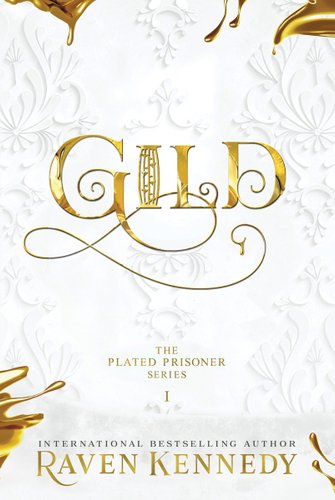
While the darker themes may not completely steer BookTok readers away, there are still major pet peeves surrounding the book. They claim that the main character was poorly developed, which makes the plot suffer greatly. If the main character has no development due to the possessive nature of the king, this may be a book to stay clear of.
Shatter Me by Tahereh Mafi
Now to our final pick… Shatter Me follows Juliette Ferrars, a girl who can kill men with one touch and an organization known as the Reestablishment that wants to use her as a weapon for their means. In the midst of everything, Juliette becomes involved with a person who cares deeply about her despite her power.
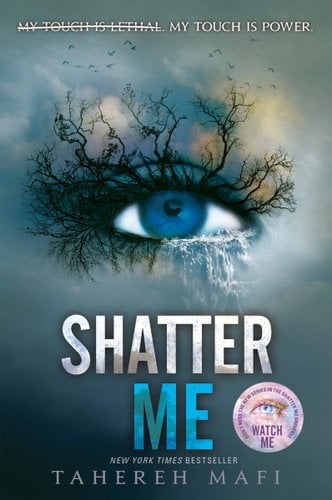
Shatter Me has had mixed reviews across the board. The first book in particular has issues with weird metaphors, text strikeouts, and prose that is full of fluff. The repetition of bland phrases also adds to the lackluster writing, which leaves BookTokers wanting more from the characters. This story is comparable to A Court of Thorns and Roses in that a love interest or a caring figure somehow dilutes the main character’s true core. The book also reuses some similar tropes of a powerful organization imposing power over the strongly empathetic lead. With its fluffy prose and overused tropes, Shatter Me is yet another pick to make BookTok’s DNF shelf.
We’re all bound to come upon a bad read at one time or another, and BookTok can sometimes be a tool to steer you towards better books. As you go shopping for your next read, consider all of the red flags and pet peeves on this list. Here’s to hoping your next pick checks all your boxes.
Want to keep up with BookTok trends and predictions for 2025? Click here!
Find these books and more on our Bookstagrammer Picks – What Are Their Favorite Picks? bookshelf on Bookshop.org.